

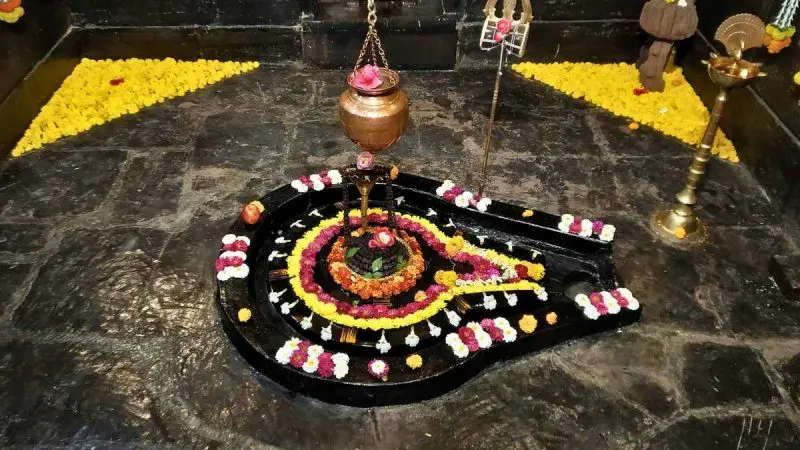
Sawan Shivratri is almost here, bringing with it a day of fasting, prayers and devotion dedicated to Lord Shiva. Celebrated during the holy month of Sawan, the festival holds a special place among Shiva devotees, who visit temples, offer prayers and perform rituals seeking the blessings of Mahadev. But what makes Sawan Shivratri so significant, and how is it different from the more widely celebrated Maha Shivratri? Scroll on to find out.
Sawan Shivratri: Significance & How It Differs From Maha Shivratri
Sawan Shivratri and Maha Shivratri are both dedicated to Lord Shiva, but they are celebrated at different times and hold slightly different significance.
This Shivratri falls during the holy month of Sawan (Shravan), usually in July or August, when devotees observe fasts, visit Shiva temples and offer milk, water and bilva leaves to the Shivling. Maha Shivratri, celebrated in February or March, is considered the most significant Shivratri of the year and is marked by fasting, night-long prayers and special rituals.
While Sawan Shivratri is closely linked to the spiritual significance of the Sawan month, Maha Shivratri is celebrated as the principal festival dedicated to Lord Shiva.
Sawan Shivratri holds special significance for Lord Shiva devotees as it falls during the holy month of Sawan, which is considered one of the most auspicious months to worship Mahadev. Devotees observe fasts, visit Shiva temples and offer milk, water, belpatra and flowers to the Shivling as part of their prayers. Many believe that worshipping Lord Shiva on this day with devotion can bring blessings, peace and prosperity, while unmarried devotees often pray for a suitable life partner.
Also Read: Sawan 2026: 5 Temples To Visit In India To Seek Lord Shiva’s Blessings
Muhurat & Puja Time
According to The Economic Times, the tithi refers to the lunar day used in the Hindu Panchang to determine the dates of festivals and religious observances. For Sawan Shivratri, the main rituals are traditionally performed at night, with special importance given to the Nishita Kaal, considered an auspicious period for worshipping Lord Shiva.
For Sawan Shivratri 2026, the Shivratri tithi begins at 4:54 AM on August 11 and ends at 1:52 AM on August 12. Bhadra Kaal will be observed from 5:48 AM to 3:22 PM on August 11.
Rituals & All You Need To Know
During Sawan Shivratri, devotees follow several rituals as a way of expressing their devotion to Lord Shiva. One of the most important is Abhishekam, where the Shivling is bathed with sacred offerings such as water and milk.
Water is seen as a symbol of purity, while milk represents nourishment and devotion. Bilva Patra, or bael leaves, are also an important part of Shiva worship and are offered to the Shivling along with flowers and fruits. In some regions, devotees also offer Dhatura and other traditional items as part of the rituals.
Fasting is another important part of Sawan Shivratri, although the way devotees observe a vrat can differ from one family or region to another. Some choose to follow a Nirjala fast, where they avoid both food and water, while others opt for Phalahar, which allows fruits, milk and certain foods permitted during fasting.
Ultimately, the essence of a vrat lies in devotion, discipline and intention, rather than physical hardship.
Also Read: Why Does Slovenian Footballer Luka Majcen Have A Lord Shiva Tattoo? Here’s The Story
We hope you have a peaceful and blessed Sawan Shivratri.
Cover Image Courtesy: Canva Pro/Nikhil Guhagarkar
FAQs
When is Sawan Shivratri 2026?
Sawan Shivratri will be observed on Tuesday, August 11, 2026.
How is Sawan Shivratri different from Maha Shivratri?
Sawan Shivratri falls during the month of Sawan, usually in July or August, while Maha Shivratri is celebrated in February or March and is considered the most significant Shivratri of the year.
What is Abhishekam on Sawan Shivratri?
Abhishekam is the ritual of bathing the Shivling with sacred offerings such as water and milk. Devotees may also offer Bilva Patra, flowers, fruits and other traditional items.