

The Indian government has released an advisory for citizens to avoid non-essential travel to the Democratic Republic of the Congo (DRC), Uganda and South Sudan due to the Ebola outbreak in parts of Africa. Read on to know more about the advisory.
India Issues Advisory To Avoid Non-Essential Travel
The Ministry of Health’s advisory, issued on Saturday, follows the World Health Organisation (WHO) announcement that the Ebola outbreak in central Africa is a global public health emergency.
Earlier, the highest health institute identified the central Africa outbreak as a Public Health Emergency of International Concern (PHEIC). As per a report by The Hindu, the officials revised the risk to very high nationwide in the DRC and high regionally, even though global risk remains low.
Also Read: Swiss Flight To Zurich Aborts Take-Off At Delhi Airport After Engine Failure Scare; 6 Injured
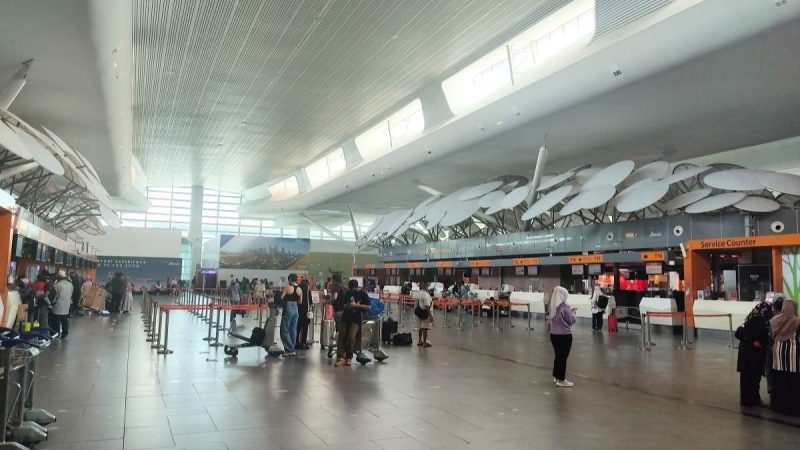
The total reported death toll from the Bundibugyo strain of Ebola has risen to 216 as of Saturday. The total number of cases, including both suspected and confirmed, is set at 968. Meanwhile, the Directorate General of Health Services (DGHS) has set up strict screening protocols at all major global gateways, including Delhi’s Indira Gandhi International Airport.
Airports To Start Physical Screening
This includes focused monitoring, especially for travellers arriving from or travelling through high-risk countries, including DRC, Uganda, and South Sudan. The flights that travel on these routes are to make compulsory in-flight health announcements and distribute Self-Declaration Forms (SDF), and passengers must report to the Airport Health Officer (APHO) or health desk before completing immigration if they show symptoms or have had direct contact with the bodily fluids of a suspected Ebola patient.
Additionally, the Health Ministry has also started physical screening, where entry points will use 24/7 thermal screening and visual monitoring to capture infectious illnesses. Airports are also provided with dedicated isolation terminals and rapid-response ambulances to immediately isolate and transfer ill individuals to designated hospital wards. The Ministry maintained that all inbound passengers from target zones are legally compelled to self-monitor for 21 days, and if symptoms develop, they must seek immediate medical care and fully disclose their travel history.
Also Read: Delhi Airport’s Pier C At T3 To Begin International Operations In May, Set To Boost Capacity By 50%
We hope all of the visitors and passengers are safe and away from the Ebola virus.
Cover Image Courtesy: Wikimedia Commons
For more such snackable content, interesting discoveries and the latest updates on food, travel and experiences in your city, download the Curly Tales App. Download HERE.FAQs
What does the Ebola virus do?
Ebola virus causes a severe and often fatal viral hemorrhagic fever that attacks multiple organs, damages blood vessels, and severely impairs the body's immune and clotting systems.