

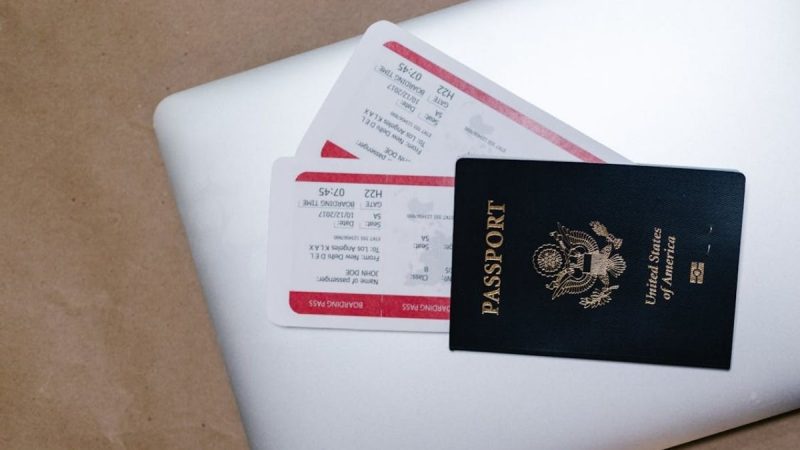
Indians, listen up: if you are planning a trip to Europe this summer, the European Union has just made a major change for non-European visitors. The new change will allow longer passport stamps. Want to know more about it? Read on.
EU Scraps Physical Passports
As per a report by News18, the passports of tourists will no longer be stamped, and there will also be changes at border checkpoints across the Schengen region. Travellers heading to Europe should be aware that the EU is preparing to start its Exit-Entry System (EES). The EES system is a biometric border management tool that is designed to digitally record the entries and exits of non-EU travellers. As per the reports, the system will apply to non-EU nationals visiting for short stays of up to 90 days within any 180 days.
The new method will be implemented from 10th April 2026, and the new rule will no longer use passport stamps to show your entry and exit from an EU country. Instead, it will now be dependent on biometric data such as facial images and fingerprints.
As per the news portal, the European Commission’s Directorate General for Migration and Home Affairs has released the information on the new system. The ESS will electronically register the place, duration of a traveller’s entry, date, and exit from the Schengen Area. Passengers who are entering the EU this month can witness slightly longer processing times during the initial period, especially at busy airports, as travellers adapt to the new system. First-time users of the EES should anticipate spending additional time at border control for biometric registration. Furthermore, the work is expected to make future crossings quicker once biometric data has been recorded.
How Does The New Process Work?
This will be a new procedure, and when a tourist first enters any EU country, the system will activate, and the border authorities will collect biometric data. The data will include a photograph of the person’s face for facial recognition software and their fingerprints. These details will then be entered into a database and linked to the traveller’s passport information. Once that’s done, the data is stored for three years unless you get a whole new passport. On frequent visits, the system will allow for faster identity verification without repeating the whole data process.
Also Read: “Taylor Swift Se Bhi Zyada Demand Hai,” Diljit Dosanjh Reacts To LPG Shortage In Latest Vlog
What are your thoughts on it? Let us know in the comments.
Cover Image Courtesy: Wikimedia Commons
FAQs
Which Europe country is best to travel to?
The best country to visit in Europe depends on your interests, but top contenders for 2026 include Italy for culture and food, France for iconic landmarks, Iceland for dramatic nature, and Greece for history.