
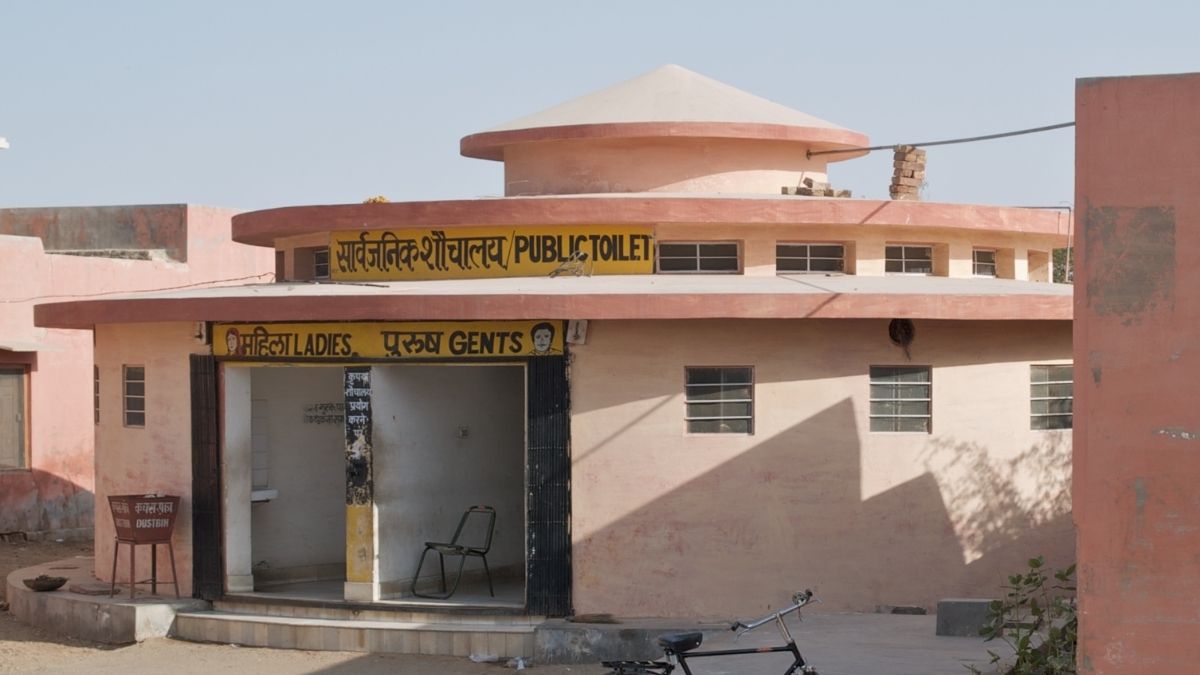

Recently, the Brihanmumbai Municipal Corporation (BMC) has planned to build seven ‘aspirational’ toilets at places that are used by tourists and devotees in the island city. The plan aims to provide accessible toilet facilities with modern features. But what are ‘aspirational’ toilets? Read on to find out.
What Are Aspirational Toilets?
As per a report by Mid-Day, aspirational toilets are pay-and-use toilets constructed after demolishing existing pay-and-use ones. Mumbai has a total of 787 pay-and-use toilets, with 7 of them converted into aspirational toilets. These high-end toilets were formerly known as VIP or special toilets. The deputy municipal commissioner, Kiran Dighavkar, told the portal that the latest term, ‘aspirational’, was coined under SBM 2.0 to show how they aspire to make all community toilets.
He also said there is no limit to how many of these toilets can be built in Mumbai. The BMC received aid worth ₹70 crore for the construction of aspirational toilets. The construction has started in South Mumbai, and a total of 67 suburban spots have been selected to build such toilets.
Location, Features & More
In South Mumbai, these toilets are located in high-footfall areas that are essential from a tourism and heritage perspective. Key locations include the historic Banganga Tank, near Walkeshwar Temple, Fashion Street, Vidhan Bhavan, and Lion’s Gate in Colaba. Visitors must pay ₹5 to use the facilities without any additional cost for using the amenities. Features of Mumbai’s aspirational toilets include:
- Changing room and baby feeding facility for women.
- Hand dryers, vending and burning machines and sanitary napkins
- CCTV cameras in community spaces
- Toilet for the disabled with European toilet seats
- UV digital printing that’s visible in the dark
- Solar panels
- Electric and fire ducts
Here are all the Island City locations where aspirational toilets will be constructed:
- Lion Gate
- Bombay High Court
- Vidhan Bhavan
- Banganga
- Fashion Street and nearby Khau Galli
- Mahim Beach
Also Read: “Taylor Swift Se Bhi Zyada Demand Hai,” Diljit Dosanjh Reacts To LPG Shortage In Latest Vlog
What are your views on the aspirational toilets? Let us know in the comments.
Cover Image Courtesy: Wikimedia Commons
For more such snackable content, interesting discoveries and the latest updates on food, travel and experiences in your city, download the Curly Tales App. Download HERE.FAQs
What is an aspirational toilet?
An aspirational toilet is a modern, high-end, and hygienic public restroom facility launched under India’s Swachh Bharat Mission 2.0 to enhance user experience and dignity.
Which is the top 3 cleanest city in India?
Indore, Surat, Navi Mumbai, Visakhapatnam, and Vijayawada are the best clean cities in India.
What's the full form of BMC?
BMC stands for the Brihanmumbai Municipal Corporation.