

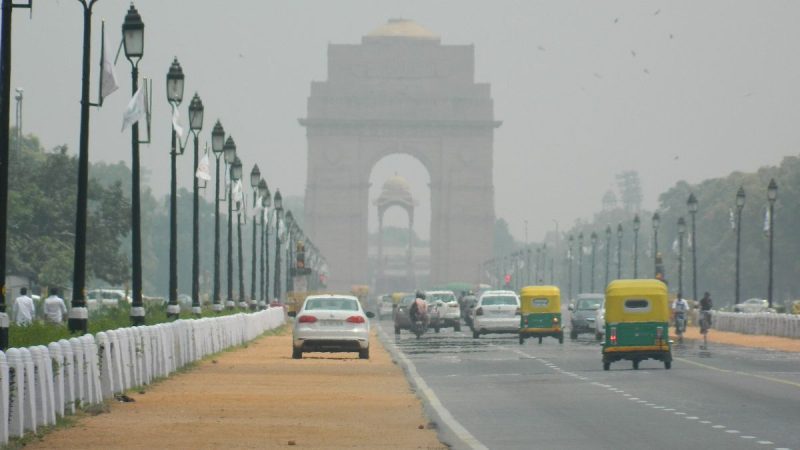
The Delhi government on Monday announced a series of measures to curb air pollution during the winter months, including doubling parking charges, staggered office timings and a 50 per cent work-from-home arrangement for government and private offices. The measures will come into effect from November 1, with several restrictions continuing through the winter pollution season. Scroll down to know more.
Delhi Government Announces New Plan To Curb Air Pollution
Parking charges at authorised parking facilities will be doubled from November 1 to February 28, 2027, in a bid to discourage the use of private vehicles. Parking facilities owned and managed by the Delhi Metro Rail Corporation (DMRC) will be exempt from the hike. The government has also introduced different working hours for MCD and Delhi government offices. MCD offices will operate from 8:30 am to 5 pm, while offices under the Government of the National Capital Territory of Delhi (GNCTD) will function from 10 am to 6:30 pm. The revised timings will remain in effect from November 1 to February 28.
Government and private offices in Delhi will also be required to have only 50 per cent of their workforce physically present during the winter period. The remaining employees will work from home. The measure is aimed at reducing office-related traffic and vehicular emissions. Essential and emergency services, including healthcare, fire services and public transport, are exempt from the work-from-home requirement.
Also Read: No Re-Checking Bags! Air India Makes International Travel Via Delhi Simpler With Easy Connect
New Policies To Aim At Better Pollution Control
The government has announced restrictions on construction and demolition activities as well. Dust-generating demolition work and outdoor civil construction activities will be prohibited from November 1, 2026, to January 31, 2027. In addition, a complete ban on construction and demolition activities will be imposed from December 10, 2026, to January 20, 2027.
Delhi Chief Minister Rekha Gupta held a meeting at Paryavaran Bhawan on Monday in the presence of Union Environment Minister Bhupender Yadav and Delhi Food and Supplies Minister Manjinder Singh Sirsa to review pollution-control measures.
The Delhi government said its approach would focus on enforcement, monitoring and coordination between departments to address pollution sources throughout the year. Sirsa said the government would continue working on pollution control throughout the year and strengthen implementation of the directions discussed during the meeting.
Also Read: Video: Delhi Metro Womens Coach Filled With Men? Viral Video Asks DMRC To Take Strict Action
The measures are part of Delhi’s broader winter pollution-control framework, which includes steps aimed at reducing vehicular emissions, construction dust and traffic-related pollution during the months when air quality typically deteriorates.
Cover Image Courtesy: Wikimedia Commons
FAQs
How harmful is Delhi pollution?
Delhi's air pollution is extremely harmful, frequently reaching levels of toxicity where breathing the air on bad winter days is comparable to smoking half a pack of cigarettes a day.