

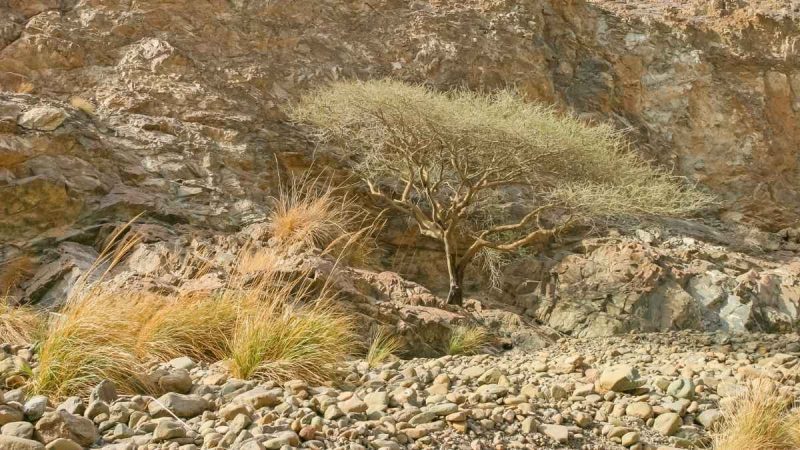
The UAE just landed a genuine first. Wadi Wurayah National Park in Fujairah has officially been inscribed on UNESCO’s World Heritage List, making it the first site in the UAE ever recognised for its natural, rather than cultural, value. The announcement came out of the 48th session of UNESCO’s World Heritage Committee in Busan, South Korea, after the committee reviewed the UAE’s nomination. This is the UAE’s third UNESCO World Heritage Site overall, and its first recognised for natural rather than cultural value.
What Made Wadi Wurayah Earn The UNESCO Recognition
إدراج محمية وادي الوريعة في الفجيرة ضمن قائمة التراث العالمي لليونسكو، لتصبح أول موقع إماراتي يُدرج لقيمته الطبيعية الاستثنائية، وثالث موقع إماراتي على القائمة.
إنجاز يعكس التزام دولة الإمارات بحماية التراث الطبيعي، وصون التنوع البيولوجي، وتعزيز الاستدامة للأجيال القادمة. pic.twitter.com/TixdsYFiGW
— UAEGOV (@UAEmediaoffice) July 25, 2026
The UAE government’s post confirms the listing makes Wadi Wurayah the first Emirati site inscribed for its natural value, and the third Emirati site on UNESCO’s World Heritage List overall.
Tucked into the Hajar Mountains overlooking the Gulf of Oman, Wadi Wurayah isn’t your typical desert landscape. It’s home to waterfalls, perennial freshwater springs and rugged valleys, a genuinely rare combination in this part of the world.
The numbers behind the listing are what really make the case: over 1,099 recorded species live here, 883 animals and 216 plants, including at least 10 that are globally threatened. Roughly half of every terrestrial mammal species recorded in the UAE calls this reserve home, along with nearly half the country’s terrestrial reptile species. Rare wildlife like the Arabian tahr and the caracal still roam here, animals you won’t easily spot anywhere else in the UAE.
The Rock Formations Are Just As Rare
It’s not only about the wildlife, either. Wadi Wurayah holds one of the world’s largest and best-preserved exposures of ophiolite rock, sections of ancient oceanic crust and upper mantle that have been pushed up onto land, offering geologists a rare, direct window into processes normally buried kilometres beneath the ocean floor. Between the biodiversity and the geology, UNESCO’s assessment concluded the site holds genuine Outstanding Universal Value, the specific bar every natural World Heritage Site has to clear.
Also Read: UAE: What Is Wadi Wurayah That Is Looking To Secure UNESCO World Heritage Site Recognition?
The UAE’s Growing World Heritage List
With this inscription, the UAE now holds three UNESCO World Heritage properties in total. The Cultural Sites of Al Ain were the first, listed back in 2011, followed by Sharjah’s Faya Paleolandscape in 2025. Wadi Wurayah is the newest addition and the first to be recognised purely for its natural rather than cultural significance.
The Ministry of Culture led the UAE delegation for the nomination alongside the Government of Fujairah, and the reserve was already a nationally protected area before this listing, so the change here is about international recognition and heritage-level protection standards, not a shift in how the site is managed day to day.
For researchers and conservationists, it does mean Wadi Wurayah now sits under the same global spotlight as sites like the Serengeti or the Great Barrier Reef, a serious upgrade in status for a corner of Fujairah most people outside the UAE have probably never heard of.
Cover Image Courtesy: CanvaPro/ ZambeziShark from Getty Images
FAQs
What animals live in Wadi Wurayah?
Rare species including the Arabian tahr and the caracal, alongside roughly half the UAE's terrestrial mammal and reptile species.