


FlixBus India’s Lost & Found analysis of belongings left behind between January and June 2026 found that phone chargers and cables were forgotten eight times more often than mobile phones themselves. But chargers were just the beginning. The company’s records offer an unusual glimpse into life on India’s intercity buses. Want to know what all people are leaving behind? Read on.
FlixBus India’s Lost & Found Analysis Shows What Passengers Leave Behind
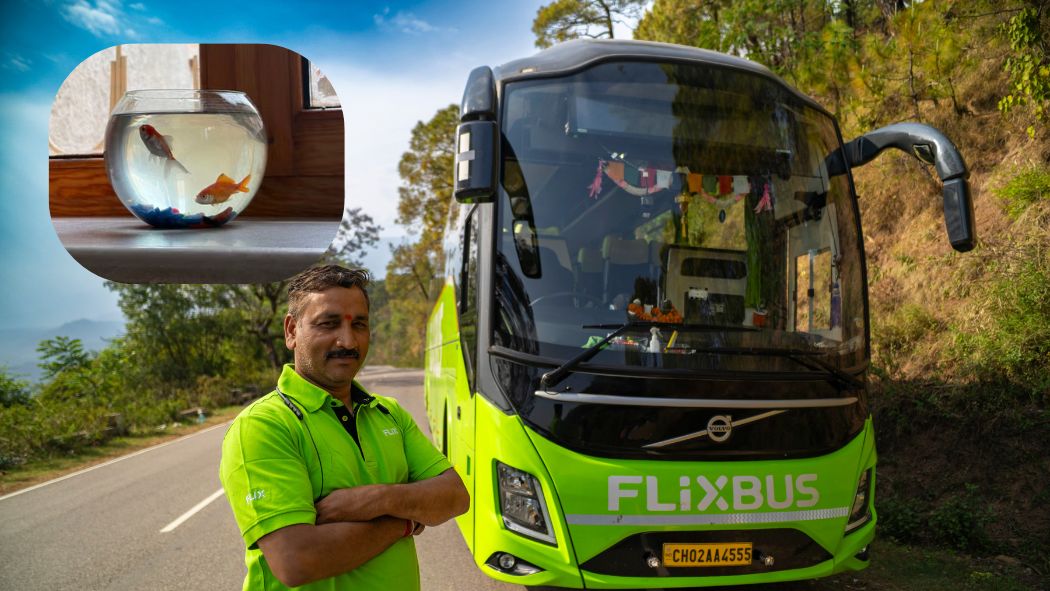
Alongside everyday travel essentials such as water bottles, earphones, neck pillows, backpacks and jackets, passengers have left behind steel tiffins, pickle jars, religious offerings and household items. More unexpected finds included a mannequin head, a PlayStation 5, a fish tank with an oxygen pump, a remote-controlled drone, and even three ripe watermelons.
FlixBus India, the Indian arm of global travel-tech company Flix, analysed belongings logged across its intercity network between January and June 2026. The company operates across more than 330 cities and 1,400 stops in India, offering a unique look at what passengers carry on their journeys and what they accidentally leave behind. The analysis found that most belongings were forgotten on overnight journeys arriving between 4 am and 6 am. New Delhi recorded the highest number of forgotten items, followed by Bengaluru.
Also Read: Travelling To Ranthambore? 7 Animals You Can Sight At This National Park In Rajasthan
While chargers and cables topped the list, passengers also frequently left behind items that make long bus journeys more comfortable, including water bottles, earphones, neck pillows, backpacks, blankets, shawls, umbrellas and steel tiffins. Food emerged as another prominent category. Lost & Found records included pickle jars, filter coffee flasks, murukku tins, paratha parcels, mithai boxes, dry-fruit containers and thermoses.
The food items also reflected regional travel patterns. Southern routes saw more forgotten filter coffee flasks, murukku tins and sweet boxes, while northern routes featured paratha parcels, achaar jars, dry-fruit boxes and thermoses.
Temple Routes Have Their Own Lost & Found Stories
On temple-town routes, around two-fifths of forgotten belongings were ritual objects. These included prasadam packets, laddu boxes, archanai plates, coconuts, flower garlands and brass lamps on southern routes, along with Ganga Jal containers, rudraksha malas and puja thalis in the north. Some items in the records are harder to explain. These included a mannequin head, a PlayStation 5, a fish tank with an oxygen pump, 13 printed copies of a CV, a remote-control drone, two 10-litre cans of Kedarnath Ganga Jal and three ripe watermelons.
The list also featured pressure cookers, induction cooktops, a matcha whisk, a birthday cake and candles. Between January and July 2026, FlixBus India’s Lost & Found system addressed more than 600 lost-item queries. The system brings together onboard crew, bus partners and customer support teams to verify and return belongings to their owners.
From forgotten chargers and well-travelled tiffins to religious offerings and unexpected watermelons, the records show that passengers may leave plenty behind. Still, many of their belongings eventually find their way home.
What are your thoughts about this?
Cover Image Courtesy: Supplied, Pexels/Hilal
FAQs
Who is FlixBus owner?
FlixBus is owned by the German parent company Flix SE (formerly known as FlixMobility).
Is FlixBus operating in India?
Yes, FlixBus is operating in India.
Why are Flix buses so cheap?
FlixBus keeps fares low through an asset-light business model, a digital-first approach, and dynamic tiered pricing.


