
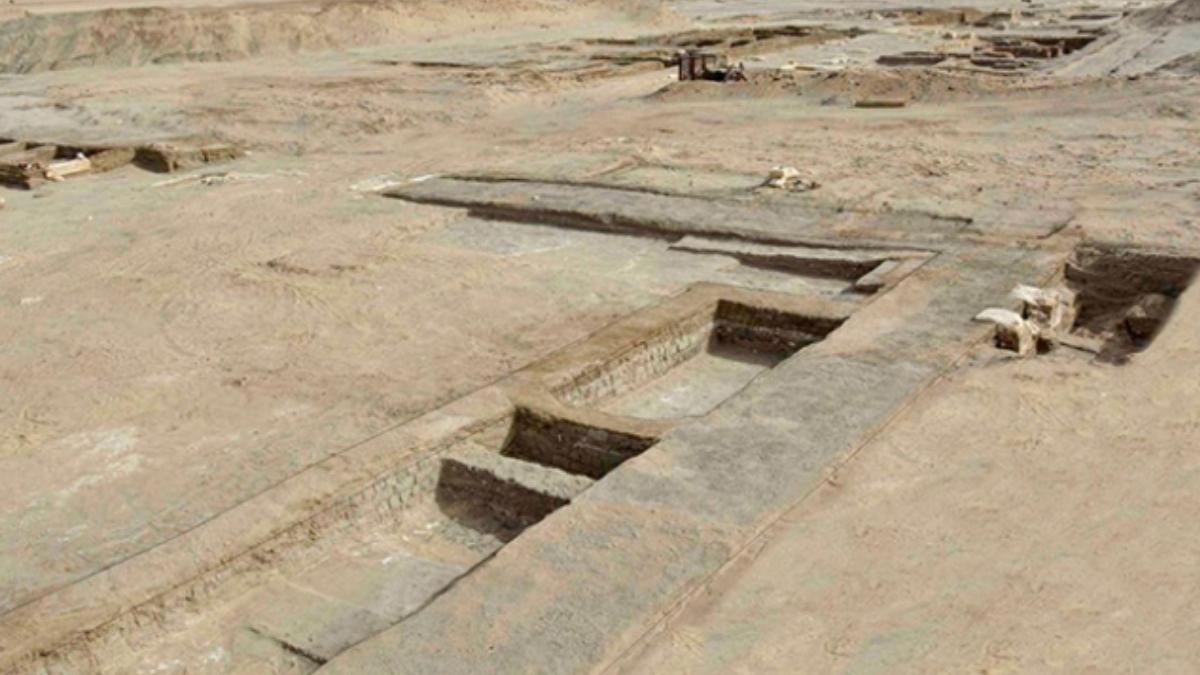



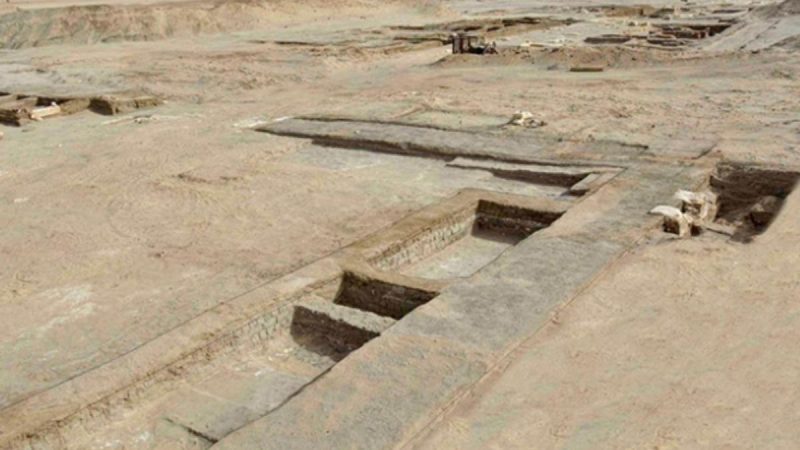
The lost city of Masn in Egypt could finally be coming out of the sands after archaeologists found remains that could belong to the long-vanished settlement. The discovery is attracting attention because Masn has long remained an elusive part of Egypt’s ancient past, with researchers now examining whether the newly identified remains can be connected to the city described in historical sources.
A Lost City Begins To Take Shape In Egypt
Egypt has no shortage of archaeological surprises, but discoveries involving settlements that have disappeared from the landscape offer a particularly fascinating glimpse into how ancient communities once lived.
The latest discovery concerns Masn, a settlement whose location has remained uncertain. Archaeologists are now studying structures and other remains that could provide clues about where the city once stood and what role it may have played. Rather than a single spectacular artefact providing an instant answer, researchers are piecing the story together through the archaeological landscape.
That includes looking at the layout of the remains, construction techniques, and materials found at the site.
Also Read: Want To Work In Egypt? Get Ready For A New Unified Digital System To Apply For Foreign Work Permits
Why Masn Matters
Lost cities can reveal far more than where ancient people lived.
Archaeological settlements can provide evidence about trade routes, agriculture, religious practices, administration, and everyday life. Location may also help them discover how different communities were connected across ancient Egypt. If the remains are confirmed as Masn, the find could add another piece to Egypt’s already extensive archaeological record.
It could also help researchers understand the relationship between the settlement and other ancient centres nearby and in the wider region.
Also Read: Egypt: Burial Ground Dating Back About 4,000 Years Of History Uncovered In The Nile Delta
Scientists Still Look For More Proof
The find has excited people, but archaeologists are being cautious in their identification.
To find structures that look like a historic settlement is only the beginning. Before they can confirm the site’s identity, researchers will need to match archaeological evidence with historical records and other clues. This is particularly the case with ancient places, whose original names, boundaries, or locations may have shifted over millennia.
This means the investigation can go ahead, with archaeologists mapping the site and assessing the evidence they find there. If the researchers can confirm that the remains are indeed Masn, the finding could put one of Egypt’s lesser-known lost settlements back on the historical map.
Cover Image Courtesy: MOTA.GOV/Website
FAQs
Where was Masn located?
Researchers are currently studying the newly identified remains to establish whether the site matches the historical location of Masn.
Why are lost-city discoveries important?
They can reveal information about ancient communities, trade, architecture, culture and everyday life.


