
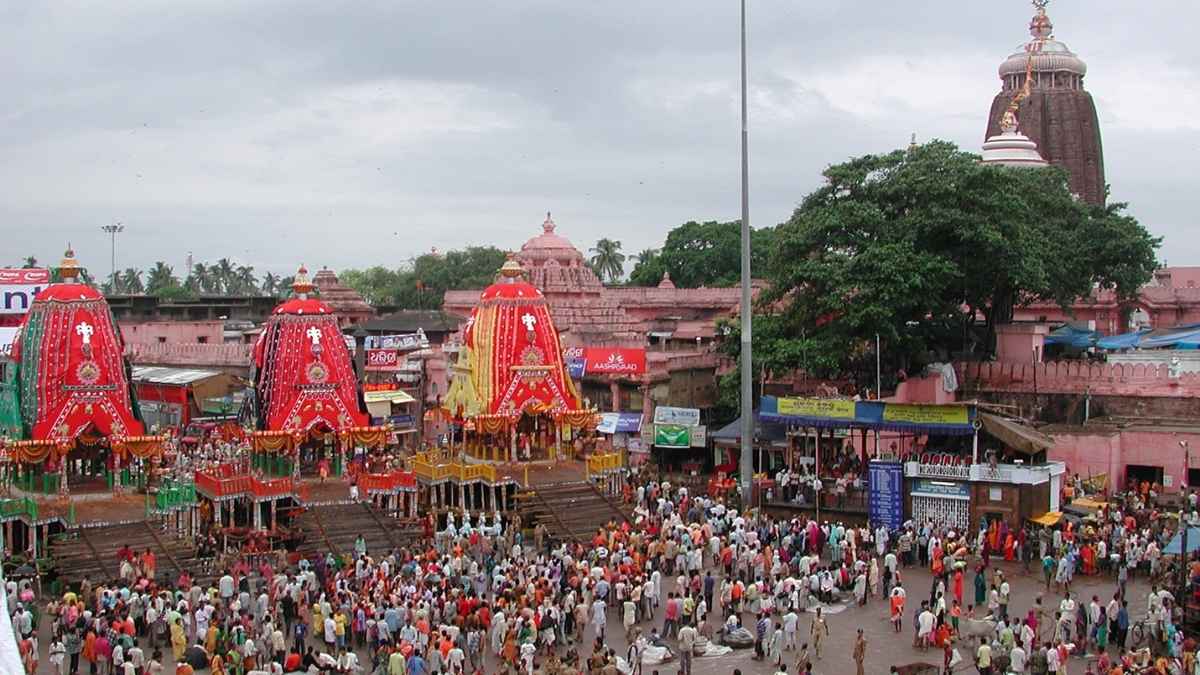



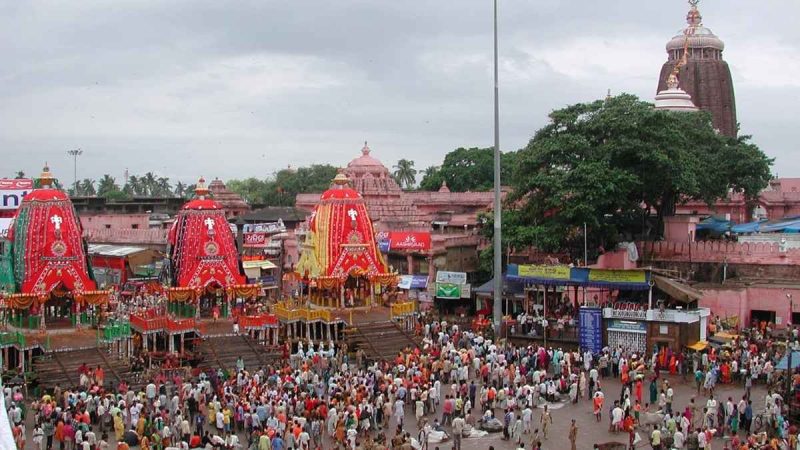
Every year during the Jagannath Rath Yatra in Puri, thousands of devotees gather to witness Lord Jagannath, Lord Balabhadra, and Devi Subhadra set out on their grand chariot procession. While the towering chariots and sea of devotees attract the most attention, one lesser-known ritual continues to surprise people: Adhar Pana, a sacred offering that is deliberately spilt on the chariots instead of being distributed as prasad.
Why Is Adhar Pana Spilled & Not Eaten?
However, unlike most temple offerings, Adhar Pana is not meant for human use. According to Jagannath custom, this sweet drink is offered to invisible beings believed to worship the deities during the Rath Yatra. Once the ritual is finished, the earthen pots are broken on the chariots, which allows the drink to spill instead of being shared among believers.
Adhar Pana is a classic drink prepared using milk, cheese (chhena), sugar and aromatic spices. It is served in large earthen pots placed on the three chariots after the deities return from the Gundicha Temple.
According to Jagannath experts and temple traditions, the offering is intended for spirits and departed souls believed to follow Lord Jagannath during the traditional procession. As researcher Bhaskar Mishra explained to the Economic Times, the pots are broken to satisfy the thirst of these hidden beings and help them attain spiritual liberation through the Lord’s blessings.
Also Read: Jagannath Rath Yatra 2026: From Sand Sculptures To Performances, What’s Happening In Puri?
Lord Jagannath Ritual That Highlights Distinctive Aspects
Because the offering is dedicated to these invisible spirits, devotees are traditionally advised not to consume or touch the spilt Adhar Pana. The practice highlights one of the most distinctive aspects of Jagannath culture: compassion extends beyond the visible world. Lord Jagannath is worshipped as the Lord of the Universe, whose blessings are believed to reach every form of existence, including departed souls.
The breaking of the clay pots also carries cultural meaning. Just as the human body is temporary, the earthen vessel eventually goes back to the earth, reminding devotees of life’s impermanence.
Also Read: From Sacred Wood Hunt To Niladri Bije, 5 Fascinating Traditions Around Puri’s Rath Yatra
Together, the ritual of Adhar Pana represents the holistic philosophy of Jagannath worship, where devotion is not limited to the living but embraces all beings connected with the divine journey.
What are your thoughts about this?
Cover Image Courtesy: Wikimedia Commons
FAQs
Which date was Jagannath Rath Yatra 2026?
The Jagannath Rath Yatra for 2026 took place on Thursday, July 16, 2026.
How many days is Jagannath Yatra?
The Jagannath Yatra (Rath Yatra) is a nine-day festival.
What is Jagannath Rath Yatra?
The Jagannath Rath Yatra, or Festival of Chariots, is a grand Hindu festival celebrated annually in Puri, Odisha.


