



In India, milk holds significance far beyond nutrition and diet. Deeply woven into rituals, traditions, and spiritual practices, it plays an important cultural and religious role. So, on World Milk Day, let’s decode India’s unique relationship with milk and why it is much more than just food.
World Milk Day: Who Is The Largest Milk Consumer & Producer?
Since 2001, World Milk Day has been celebrated globally on June 1. Established by the Food and Agriculture Organization, the day recognises milk as a vital, nutrient-rich food source and celebrates the dairy sector. But did you know which country is both the world’s largest producer and consumer of milk?
Well, no points for guessing, it’s India! According to reports, India contributes nearly a quarter to one-third of the global milk supply, with an annual output exceeding 230 million metric tonnes. And considering how deeply milk is woven into our daily lives, from making paneer, ghee, and curd to being a staple in countless dishes, it’s no surprise that India also tops the list when it comes to milk consumption.
Also Read: Is Milk At Bed Time Actually Good For Your Kids? Dentist Reveals 5 Food Items To Never Give Kids
Milk’s Significance In Various Hindu Rituals
On World Milk Day, let’s decode why milk in India, and in Hinduism in particular, is much more than just a drink, holding significance far beyond nutrition and diet. In Hinduism, cows are considered deeply sacred and are believed to be the earthly embodiment of Kamadhenu, the celestial cow said to have emerged during the Samudra Manthan. For many devotees of Krishna, the deity’s role as a cowherd further adds to the animal’s spiritual importance.
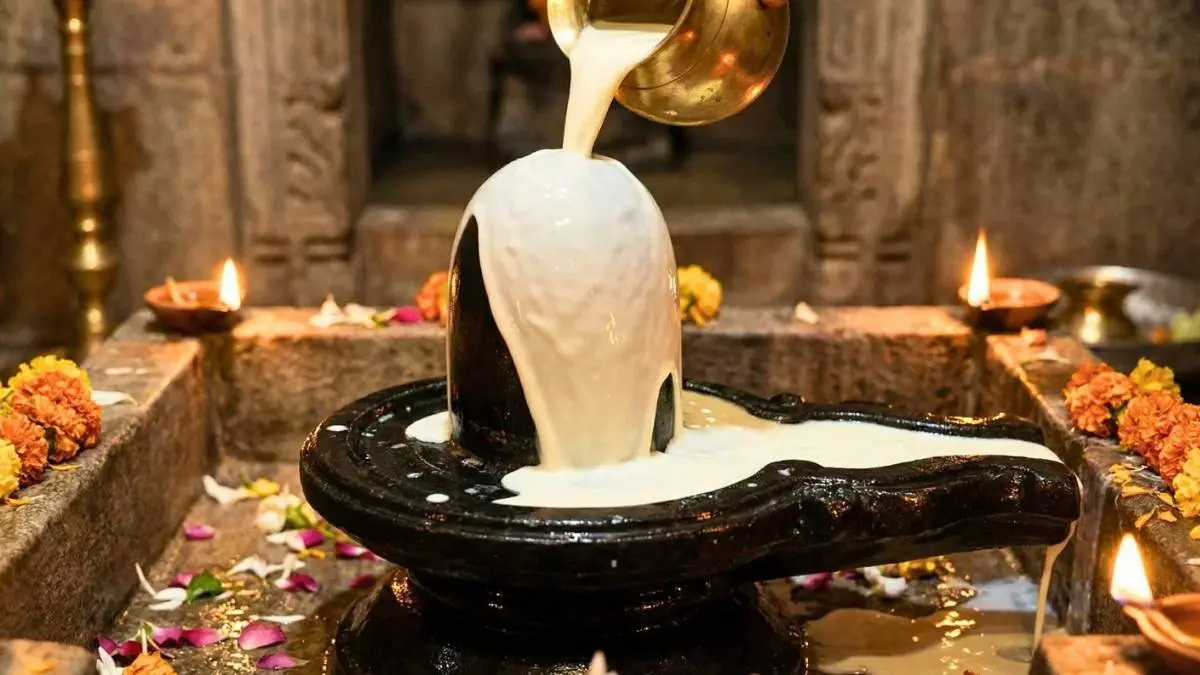
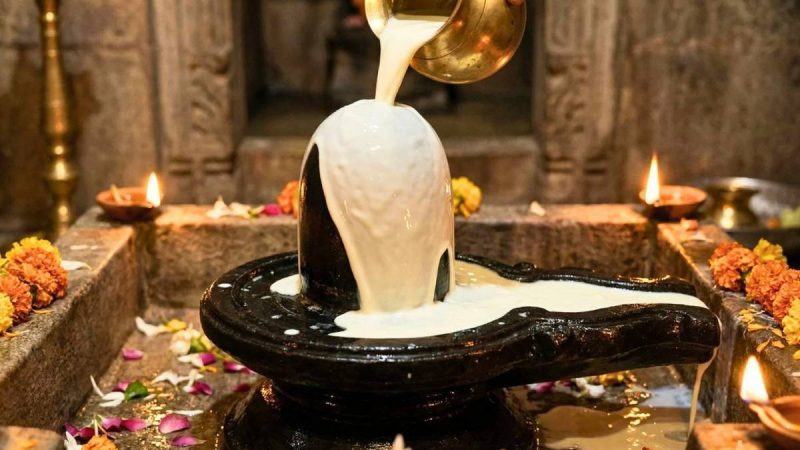
Milk and its by-products play a vital role in several Hindu rituals, as they are believed to possess purifying qualities. This is why milk is often used during Abhishekam, the ceremonial bathing of idols, while ghee is used to light diyas during prayers and offerings. From an infant’s first solid food ceremony, known as Annaprashana, to final rites that help the soul transition after death, milk is woven into rituals marking every significant stage of life.
Also Read: Are We Getting Addicted To Blinkit? Woman’s Recent Milk Order Proves We Pay”Laziness Tax”
We hope this information was helpful to you all.
Cover Image Courtesy: website/shastrafy
For more such snackable content, interesting discoveries and the latest updates on food, travel and experiences in your city, download the Curly Tales App. Download HERE.FAQs
Why is World Milk Day celebrated?
World Milk Day is celebrated on June 1 every year to recognise milk as a vital, nutrient-rich food source and to highlight the importance of the global dairy sector.
Why is milk considered sacred in Hinduism?
Milk is considered sacred in Hinduism because cows are revered as divine beings and are believed to embody purity, nourishment, and abundance.
Which country is the largest producer of milk in the world?
India is the world’s largest producer and consumer of milk, contributing a significant share to the global milk supply.


