



If you live anywhere near a Dubai Metro station, your neighbourhood might be getting a serious pedestrian and cycling upgrade over the next 5 years. Dubai’s Roads and Transport Authority (RTA) has approved a new soft mobility plan running through 2030, aimed at making it easier and safer to walk, cycle or scooter your way to public transport instead of hopping straight into a car.
What’s Actually Changing As Per Dubai’s 5-Yr Soft Mobility Plan
The plan covers infrastructure upgrades across 25 residential areas and the zones around 63 public transport stations. That’ll push the total number of neighbourhoods with soft mobility infrastructure up to 34 by 2030. Think dedicated cycling tracks, safer pedestrian crossings, shaded walkways, landscaped rest areas, and proper parking for bikes and e-scooters, including operators like Careem Bike.
Work is already underway in Dubai Marina, Al Murar, Naif, Al Rigga and Al Muraqqabat, while areas like Al Mankhool, Al Qusais, Al Karama, both Al Barsha districts, Al Khawaneej 2, Hor Al Anz, Abu Hail and Al Souq Al Kabeer have already had their upgrades completed.
Also Read: Getting A Dubai Licence? You’ll Now Learn Smart Car Safety Tech By Dubai RTA
Why Now?
Because the numbers are already trending that way. Pedestrian journeys across Dubai went from 326 million in 2024 to 342 million last year, a 5% jump. Cycling trips shot up 23%, from 46.6 million to 57.3 million, and e-scooter trips climbed by almost the same margin, hitting 39.6 million. RTA Director-General Mattar Al Tayer called soft mobility one of the strategic enablers of the future mobility ecosystem, and the ridership growth backs that up.
Also Read: Dubai RTA Launches Personal Mobility Monitoring Unit To Enhance E-Scooter & Bicycle Safety
Part Of A Much Bigger Transport Push
This rollout is happening alongside some genuinely massive transport projects, including the Dh34 billion Metro Gold Line, an 18-station line expected to expand Dubai’s Metro network by 35% when it opens in 2032. Which neighbourhoods get prioritised comes down to a mix of factors: population density, how heavily public transport is already used, land-use type, and how good (or not) the existing pedestrian and cycling infrastructure already is.
Basically, the goal is to stop treating metro and bus stations as isolated stops and start treating them as proper mobility hubs.
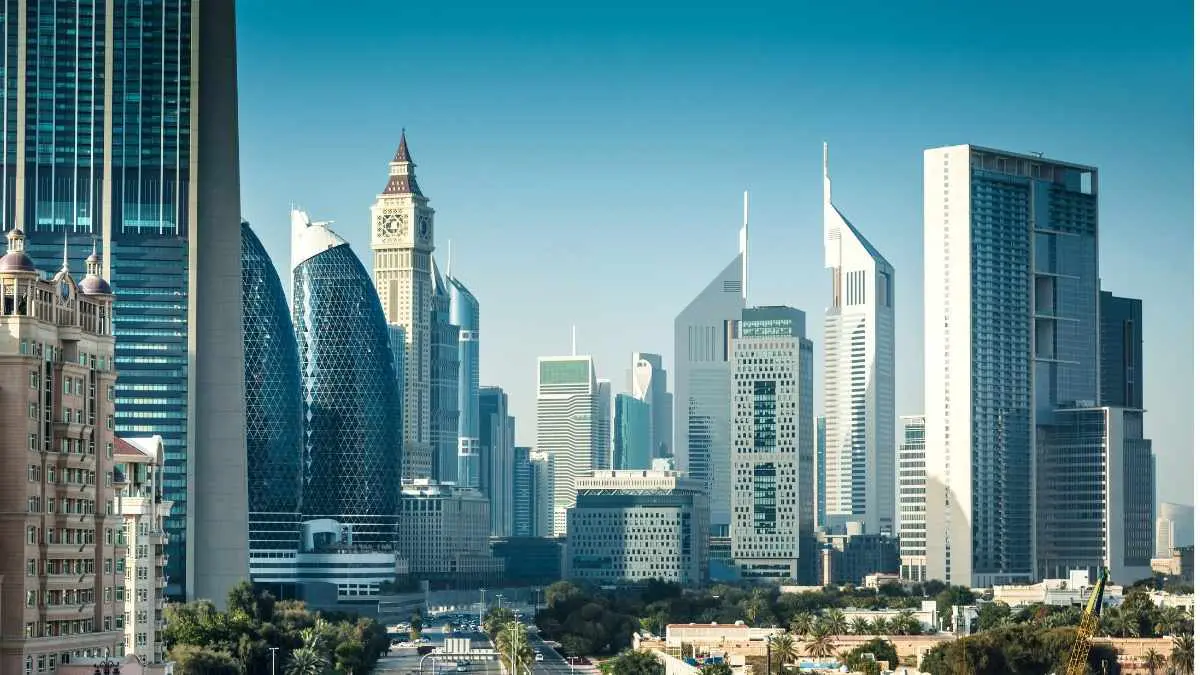
Cover Image Courtesy: CanvaPro/ Nikada from Getty Images Signature
FAQs
How many residential areas does Dubai's soft mobility plan cover?
25 new residential areas, taking the total to 34 by 2030, alongside upgrades around 63 public transport stations.
What does "soft mobility" mean in this context?
Non-motorised or low-emission ways of getting around, like walking, cycling and e-scooters, supported by dedicated infrastructure such as tracks, crossings and shaded paths.


