


The Gulf is experiencing unseasonal weather, and it is not slowing down. In the UAE, with increased wadis, and in Oman, with lethal floods, the region is coping with torrents of rain, powerful winds, and rapidly shifting conditions. GCC is currently experiencing one of the most hazardous flash floods it has witnessed.
Flash Floods Strike GCC: Oman Death, UAE Rescues and Travel Cancellations
Governments are in stepping in to understand the situation, according to reports from Money Control, Gulf News, and others. The message is simple: do not risk your safety by running outdoors.
The Dramatic Rescue In The UAE As Floodwaters Rise
شرطة الفجيرة: نجاة قائد مركبة قبل انجرافها في أحد الأودية
الفجيرة – تمكن قائد مركبة من النجاة دون إصابات، قبل أن تجرفها مياه أحد الأودية نتيجة قوة تدفق السيول، وذلك في منطقة الحلاه بدبا الفجيرة، في حادثة تعكس خطورة المجازفة بعبور مجاري الأودية أثناء جريانها.
وتهيب القيادة… pic.twitter.com/yW9QJ2ZPvP
— شرطة الفجيرة (@FujPoliceGHQ) March 25, 2026
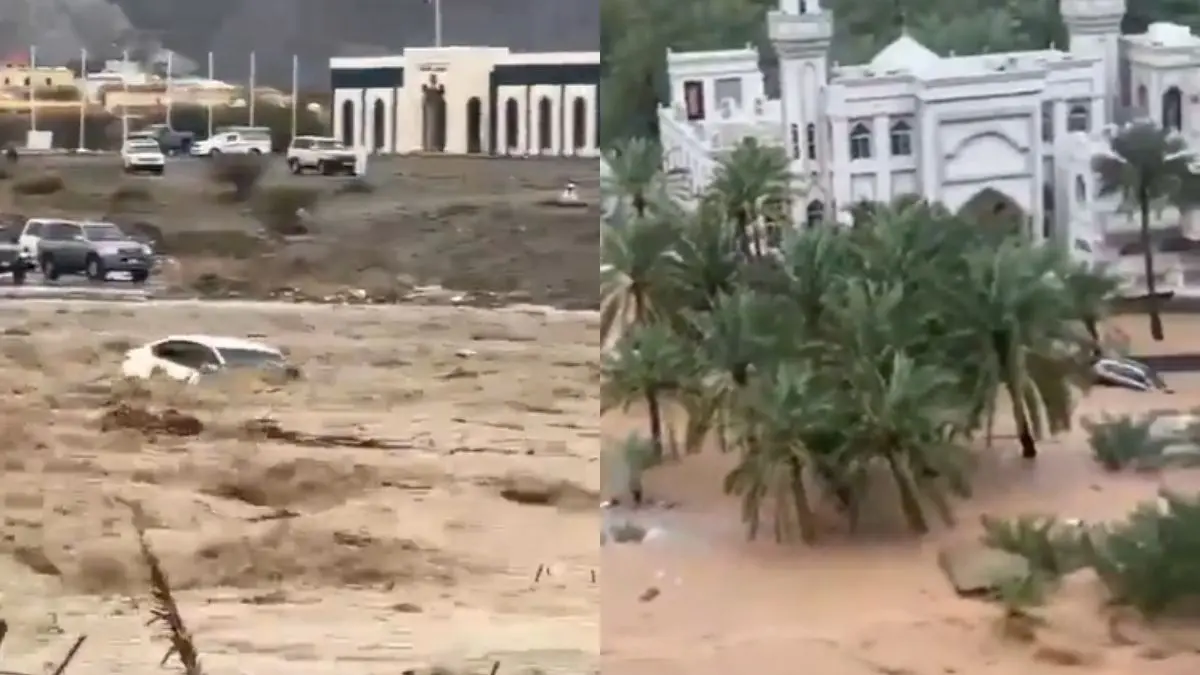
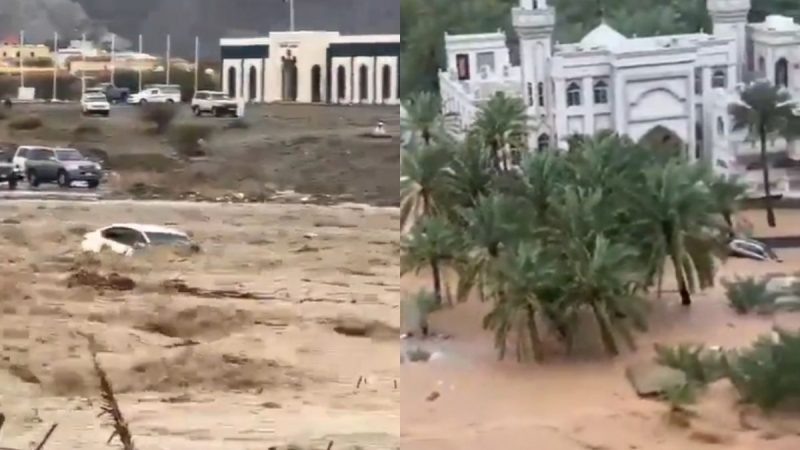
A motorist in Fujairah was swept by the floods after trying to cross a flooded wadi in the Al Halat region. The water increased fast. What had seemed holdable became a powerful stream swiftly.
The Fujairah Police General Command teams arrived at the location in good time and saved the driver. No injuries were reported. Officials were straightforward about the incident. Do not cross a wadi in rainy weather. Even shallow water may become fatal within a few seconds.
In the meantime, images of Ras Al Khaimah depict roads turning into rivers, cars trudging through floods and a biker getting caught in the middle of the road.
Lives Lost In Oman As Conditions Become Severe
It slowly becomes worse in Oman. In flash floods in the Wilayat of Khasab, in the Musandam Governorate, a woman was killed. She was later retrieved by rescue teams. This incident comes after four fatalities were reported due to extreme weather in the last few days. Officials, such as the Omani National Emergency Management Committee, have cautioned that further storms could occur. Strong downdrafts, thunderstorms and hail are anticipated.
During alerts, residents have been instructed to avoid venturing into the sea, low-lying areas and wadis.
Also Read: From New Bus Routes In Dubai To Oman’s Flood Alert, 5 GCC Updates For You
Across The Gulf: Travel Hits, Visibility Drops
The weather system is not confined to a single country. Qatar is encountering some serious winds and dust storms, particularly in Doha. There is a decrease in visibility, which slows down traffic and increases health-related issues associated with airborne dust.
Outdoor activities have closed in the region. Flights face delays, and plans are on the run.
Extreme Rainfall Alert
Skies might bring 100 to 200 mm of rainfall to Saudi Arabia and the UAE, as well as Qatar and Bahrain, in the coming days, weather agencies warn.
Most of these regions typically get less than 100 mm of rain over the year. More than 100 mm has already been registered in Muscat alone within a few days.
The result? This rainfall has led to flooded streets, vehicles stranded and emergency rescues in some cities.
Also Read: Heavy Rain Hits Parts Of The UAE, Flash Flood Warning Issued By NCM
What The Government Wants You To Keep in Mind
The commands are not incidental.
- Do not cross over flooded roads or wadis.
- Do not travel unnecessarily on a rainy day.
- Act upon official alerts, particularly those of the National Centre of Meteorology, UAE.
But most of all, do not underrate the water. It moves faster than it looks.
Cover Image Courtesy: ibrahimff1872/X
For more such snackable content, interesting discoveries and the latest updates on food, travel and experiences in your city, download the Curly Tales App. Download HERE. First Published: March 25, 2026 7:21 PMFAQs
Which GCC countries are affected by the current floods?
UAE, Oman, Qatar, Saudi Arabia, and Bahrain are facing weather impacts.
Are flights and travel affected in the region?
Yes, delays and disruptions have been reported due to weather conditions
What is the safest action during flash flood warnings?
Stay indoors, avoid flooded areas, and follow official alerts.