



Love New Zealand kiwis, apples or Mānuka honey? You may soon have another reason to add them to your shopping list. The India–New Zealand Free Trade Agreement (FTA) is set to come into force on October 20, 2026, bringing lower import duties on several products entering India from New Zealand. Here’s all you need to know about this.
India-New Zealand FTA: Kiwis Could Soon Cost Less
According to Live Mint, the India-New Zealand FTA was signed on April 27, 2026, and will see India offer tariff concessions on around 70% of its tariff lines for New Zealand goods. However, the benefits will vary from product to product, with some duties being removed immediately, while others will be reduced gradually or through specific import quotas.
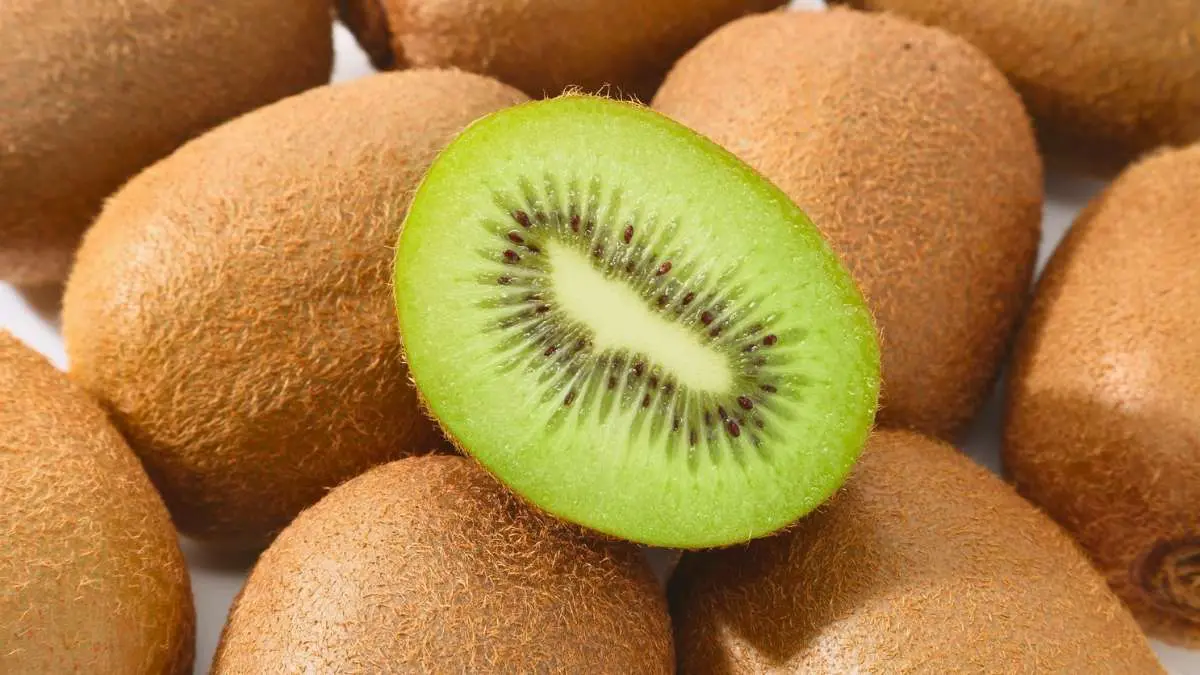
New Zealand kiwi fruit is among the products that could see a significant change under the agreement. Currently, kiwi attracts a 33% tariff, but under the FTA, the tariff will be eliminated for a specified quota of 6,250 tonnes from day one, increasing to 15,000 tonnes over six years. A 50% tariff reduction will also apply outside the quota.
So, while your favourite kiwis may not suddenly become half-price, the reduced import duties could eventually translate into lower prices depending on how much of the savings are passed on by importers and retailers.
Also Read: PM Modi Receives Traditional Māori Pōwhiri Welcome In New Zealand; Here’s What It Means
What Else Could Get Cheaper?
New Zealand apples are another product to watch out for. India currently levies a 50% tariff on apples, but the FTA provides for a 50% reduction, bringing the tariff down to 25% for an initial quota of 32,500 tonnes from the first day of implementation. This quota will gradually increase to 45,000 tonnes over six years.
This could give Indian shoppers more access to New Zealand apples at potentially lower prices, although the final price will still depend on factors such as transportation, distribution costs and retailer margins.
Mānuka honey is another New Zealand favourite that features in the agreement. The product currently attracts a 66% tariff, with the FTA providing for a 75% tariff reduction over five years under specified conditions. There is also a separate quota for 200 tonnes at a specified price range.
Here’s All You Need To Know
The FTA covers several other New Zealand products coming to India as well. Duties on wool, sheep meat, coal and many forestry products will be eliminated from the agreement’s entry into force. Tariffs on products such as fish and seafood, certain industrial goods, iron and steel will be phased out over several years.
However, not everything from New Zealand will become cheaper. India has kept around 30% of its tariff lines outside the agreement, including several sensitive agricultural and dairy products.
Now, a reduction in import duty does not automatically mean the same reduction will appear on the price tag. Importers, distributors and retailers will determine how much of the tariff savings are passed on, while factors such as freight costs, exchange rates and margins will also affect the final price.
Also Read: 1,000 Indians To Get 12-Month Multiple-Entry Visas Under New Zealand Working Holiday Scheme
So, while the India–New Zealand FTA could make some Kiwi products cheaper, the actual impact on prices will depend on the market after October 20.
Cover Image Courtesy: Canva Pro/Aflo Images
FAQs
When will the India-New Zealand FTA come into effect?
The India-New Zealand Free Trade Agreement will come into force on October 20, 2026.
Which New Zealand products could get cheaper in India?
Kiwis, apples and Mānuka honey are among the products that could see lower import duties.
Will Mānuka honey become cheaper?
Import duties on Mānuka honey are also set to be reduced under the agreement, which could make it more affordable over time.


