

Navratri in Gujarat is a different kind of madness. Streets turn into dance floors, chaniya cholis become serious fashion statements, and people who swear they cannot stay up past 10 PM somehow find the stamina to dance until midnight. But here is a thought; what if you used the festival as an excuse to explore the state beyond its Garba grounds? Gujarat has ancient stepwells that look straight out of a fantasy film, tiny towns preserving centuries-old weaving traditions, sprawling salt deserts and food markets that could ruin every other dinner plan for you. Garba, too, has a story worth knowing. So, pack those jhumkas, charge your phone and leave some room in the itinerary for detours. These 10 experiences will give you plenty of reasons to stay in Gujarat long after the dandiya sticks are put away.
10 Places To Visit In Gujarat During Navratri For Culture And Festive Fun
1. Ahmedabad: Get Lost In The Garba Madness
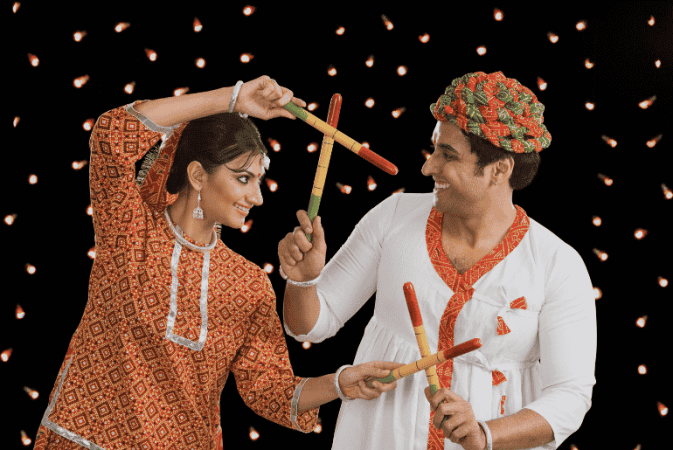
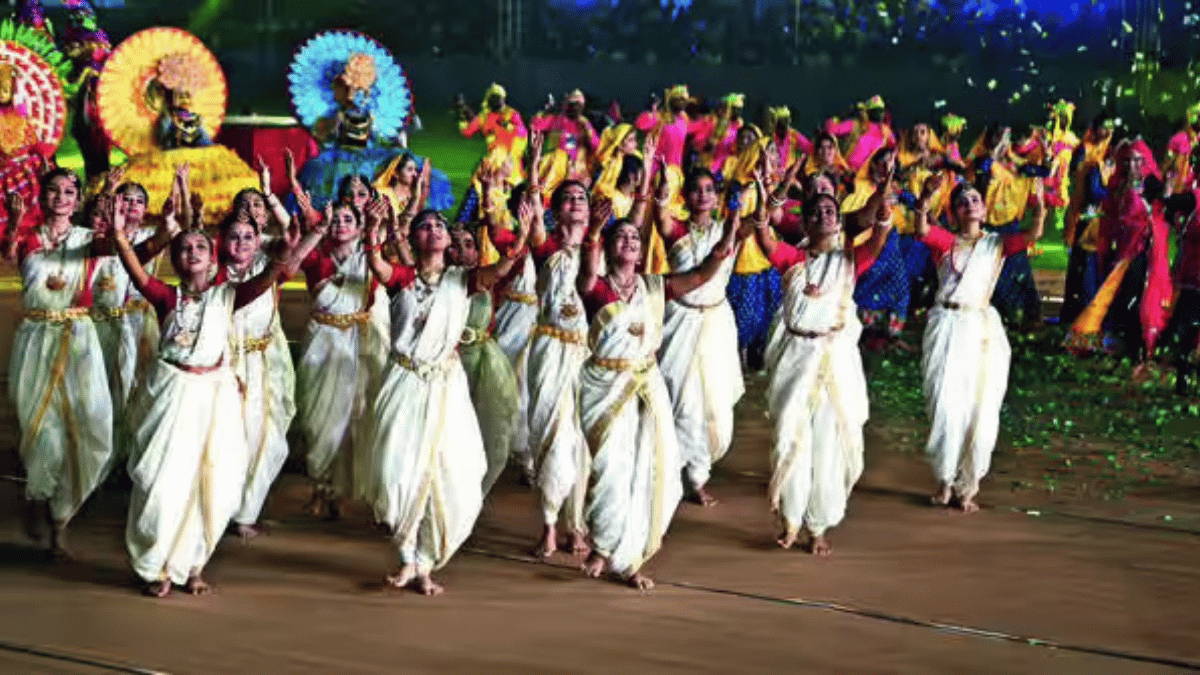
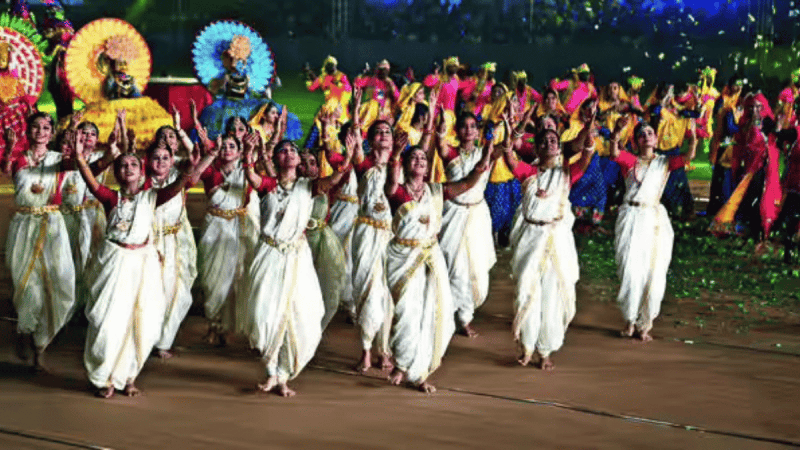
You cannot come to Gujarat during Navratri and treat Garba like an optional activity. That would be like visiting Mumbai and refusing to eat vada pav. Ahmedabad is one of the biggest hubs for the festivities, with large-scale celebrations at venues such as GMDC. Ground-drawing dancers in spectacular traditional outfits. Expect energetic folk music, elaborate choreography, devotional songs and crowds that somehow manage to move in remarkably coordinated circles. The trick is to arrive with comfortable footwear, a little stamina and absolutely no expectation of looking graceful on your first attempt.
2. Ahmedabad’s Old City: Take A Walk Through History
The morning after Garba calls for a gentler plan. Instead of dragging yourself straight to a café, explore Ahmedabad’s historic old city, where narrow lanes open into traditional pol neighbourhoods, intricately carved wooden homes and centuries-old places of worship. The heritage walk traditionally starts at Swaminarayan Temple in Kalupur and passes through some of the city’s most fascinating architectural pockets before reaching Jama Masjid. Look up while walking. Seriously. The elaborate wooden balconies, colourful façades and tiny architectural details are easy to miss when everyone is busy checking Google Maps. Ahmedabad became India’s first UNESCO World Heritage City in 2017, and its historic neighbourhoods offer a glimpse into the community life that shaped the city.
3. Manek Chowk: Let Street Food Ruin Your Dinner Plans
Ahmedabad has a very persuasive argument against going to bed hungry, and it is called Manek Chowk. A busy commercial market by day, this spot becomes a street-food destination after sunset, with stalls serving everything from pav bhaji and sandwiches to chaats and desserts. The atmosphere is lively, the menu is enormous, and the idea of ordering just one thing will probably disappear within minutes. Start with local favourites such as khaman or fafda, then see where your appetite takes you. If you are travelling with friends, sharing several dishes is the obvious strategy.
4. Patan: Step Into The Extraordinary World Of Rani Ki Vav
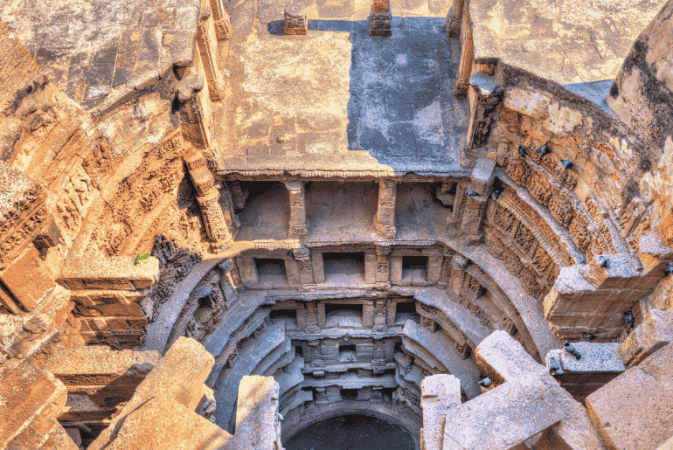
A few hours from Ahmedabad, Patan is home to one of Gujarat’s most remarkable architectural treasures. Rani Ki Vav, a UNESCO World Heritage Site, is an 11th-century stepwell commissioned by Queen Udayamati in memory of her husband, King Bhimdev I. Unlike an ordinary well, this structure descends through multiple levels, with intricately carved pillars, galleries and sculptures covering its sandstone surfaces. The craftsmanship is astonishing. There are figures drawn from Hindu mythology, ornamental motifs and details that make you wonder how artisans managed such precision without modern machinery. The stepwell was designed as much around religious symbolism and artistic expression as it was around water management.
5. Patan Patola: Discover The Art Behind Gujarat’s Most Coveted Textiles
While you are in Patan, make time for its famous Patola weaving tradition. These silk textiles are created using the double-ikat technique, in which both the warp and weft threads are dyed before weaving so that their patterns align perfectly in the finished fabric. It sounds straightforward until you realise how much precision that requires. A small misalignment can affect the entire design, and the most elaborate pieces can take months, sometimes much longer, to complete. Visit a Patola weaving workshop or museum collection to understand the work that goes into these textiles. The experience is particularly interesting if you love Indian fashion, because Patola is not simply a beautiful fabric.
Also Read: Navratri 2026: 8 Temples In Mumbai To Seek Goddess Durga’s Blessings This Festive Season
6. Modhera: Visit A Sun Temple That Deserves Your Entire Camera Roll
About a couple of hours from Patan, the Modhera Sun Temple offers another reason to slow down and appreciate Gujarat’s architectural heritage. Built in the 11th century during the reign of the Solanki dynasty’s Bhima I, the temple is dedicated to Surya, the Sun God. Its complex includes the main shrine, an intricately decorated assembly hall and the striking stepped tank known as Ramakunda. Every surface seems to have something going on, from carved pillars to sculpted figures and elaborate geometric patterns. The temple is no longer used for worship, but its architectural and historical significance remains immense. Visit during daylight hours, when you can properly appreciate the details, and avoid squeezing the stop between two tightly scheduled activities.
7. Little Rann Of Kutch: Trade Dance Floors For Salt Flats
Not every memorable Gujarat experience needs a soundtrack. At the Little Rann of Kutch, the landscape opens into vast salt flats, dry grasslands and strikingly open horizons. The region is home to the Indian Wild Ass Sanctuary, established to protect the endangered Indian wild ass, or khur, along with other wildlife and migratory birds. A guided jeep safari is one of the best ways to explore the area, particularly if you want to learn about its ecology rather than simply drive around looking for animals. The landscape changes dramatically with the seasons, so the experience depends on when you visit and the prevailing conditions. Keep in mind that the Little Rann is different from the Great Rann near Dhordo, and the two should not be treated as interchangeable stops.
8. Great Rann Of Kutch: Spend An Evening In The White Desert
If you have a few extra days, take the road trip further towards Kutch. The Great Rann’s white salt desert is one of Gujarat’s most distinctive landscapes, especially around sunset and on clear moonlit nights. The nearby village of Dhordo becomes a major cultural hub during Rann Utsav, when visitors can experience folk music, traditional dance, regional food and local handicrafts alongside the desert scenery. You can also explore villages known for embroidery, weaving and other craft traditions, making this a worthwhile stop beyond the festival itself. Do check the dates and arrangements for Rann Utsav before planning your visit, as access and accommodation options vary by season. Also, be realistic about distances.
9. Ambaji Temple: Make Space For The Spiritual Side Of Navratri
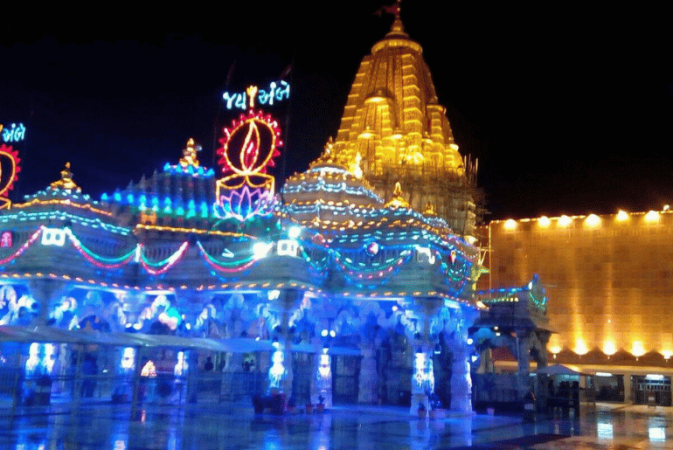
With all the dancing, dressing up and late-night food, it is easy to forget that Navratri is also a deeply devotional festival. Ambaji Temple in Gujarat’s Banaskantha district is one of the country’s important Shakti pilgrimage sites and attracts devotees throughout the year. During Navratri, the atmosphere becomes particularly significant for worshippers seeking blessings from Amba, a form of the divine feminine. The temple’s religious importance makes it a meaningful addition to a festival-themed journey, especially if you want to understand the traditions beyond the celebrations. Plan your visit carefully, since Navratri crowds can affect travel times and darshan arrangements. Check current temple timings and local advisories before setting out, and dress appropriately for a place of worship.
10. Gujarati Food Trail: Because One Thali Is Never Enough
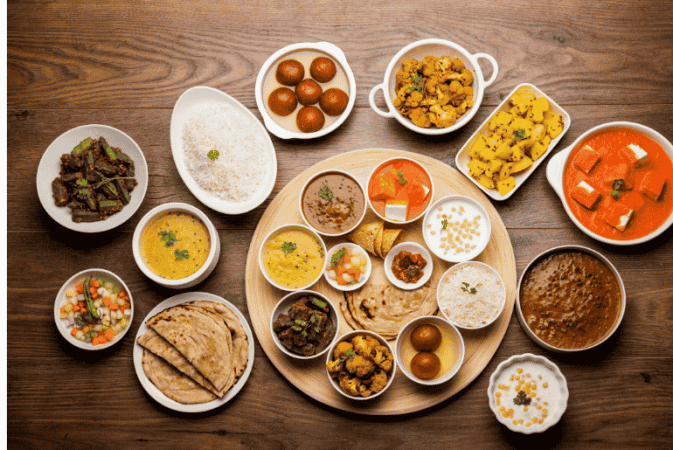
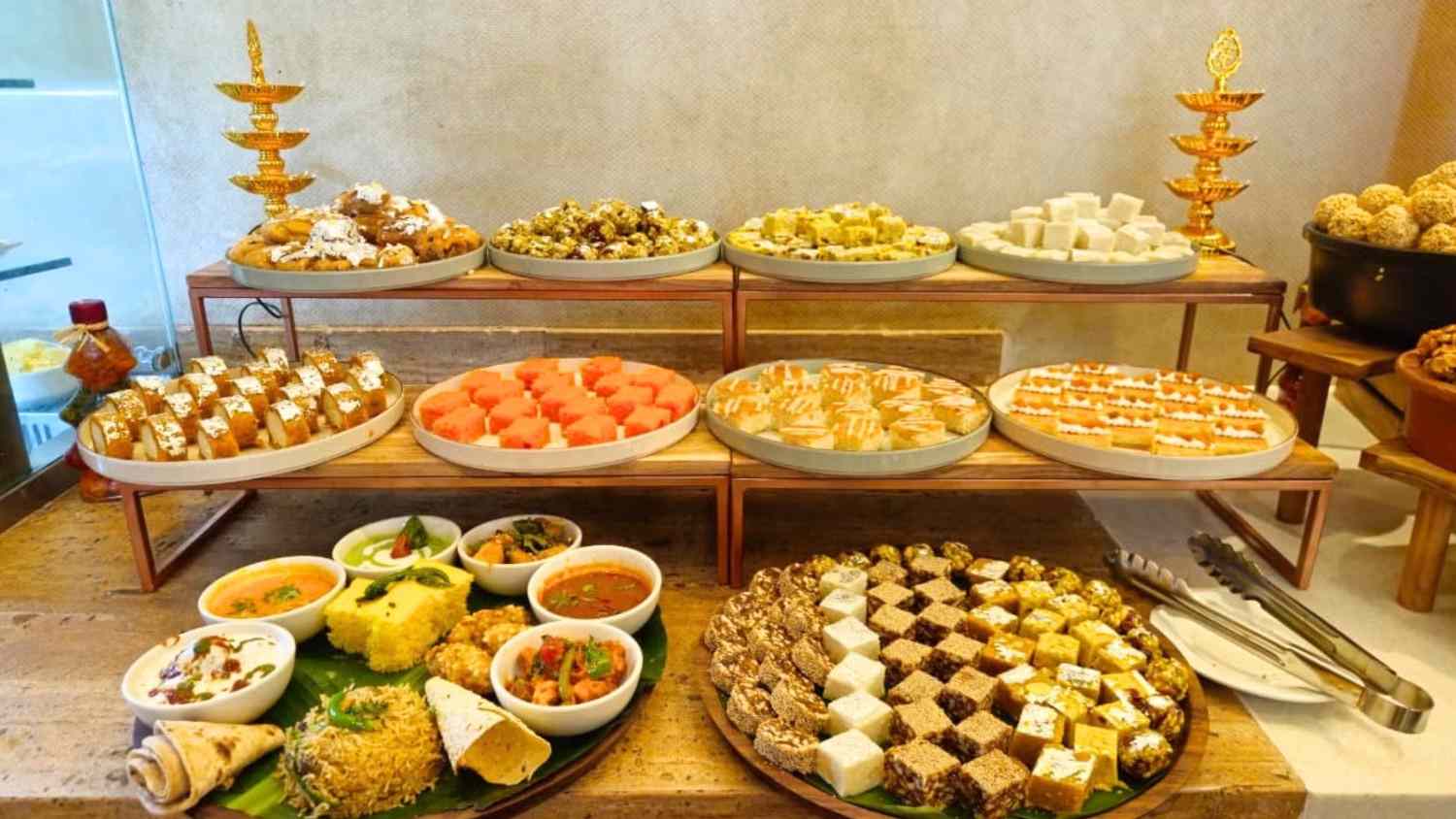
Finally, give Gujarat’s food the itinerary space it deserves. A Gujarati thali brings together rotli, vegetables, dal or kadhi, farsan, rice, pickles and sweets in a meal that balances sweet, savoury, tangy and spicy flavours. Outside restaurants, there is a whole universe of snacks to explore, from dhokla and khandvi to the much-loved combination of fafda and jalebi. Ahmedabad is an excellent place to begin, but ask locals about regional specialities as you travel through different towns. The food changes with local ingredients, traditions and family recipes, so there is no need to stick to familiar dishes. Try a traditional thali for lunch, stop at a local farsan shop in the afternoon and save street food for the evening.
Also Read: Why Is Sendha Namak Eaten Instead Of Regular Salt During Navratri Fasts?
Before you hit the road, Ahmedabad, Patan and Modhera make the most practical combination for a shorter heritage trip, while the Little Rann and Great Rann of Kutch require additional travel time. Ambaji can be added as a separate pilgrimage detour depending on your route. Book your Garba passes and accommodation early, especially during Navratri, and verify event dates, temple timings and safari arrangements before leaving. Most importantly, do not try to fit everything into one frantic itinerary. Gujarat has enough character to keep you occupied well beyond nine nights.
Cover Image Courtesy: punamarora/ Google Business
FAQs
What are the best things to do in Gujarat during Navratri?
Experience Garba in Ahmedabad, explore the historic old city, visit Rani Ki Vav in Patan, admire the Modhera Sun Temple, explore the Rann of Kutch and sample traditional Gujarati food.
Where can you experience the best Garba celebrations in Gujarat?
Ahmedabad is one of Gujarat’s major Garba destinations, with large events, devotional music, traditional costumes and energetic community dance celebrations. Check current event schedules and ticket availability before visiting.
What are the best heritage places to visit in Gujarat during Navratri?
Rani Ki Vav in Patan, Ahmedabad’s historic old city and the Modhera Sun Temple are excellent choices for travellers interested in architecture, history and cultural heritage.
What is the difference between the Little Rann and Great Rann of Kutch?
The Little Rann is known for its salt flats, grasslands and Indian wild ass habitat. The Great Rann is famous for its expansive white salt desert and seasonal cultural experiences around Dhordo.


