
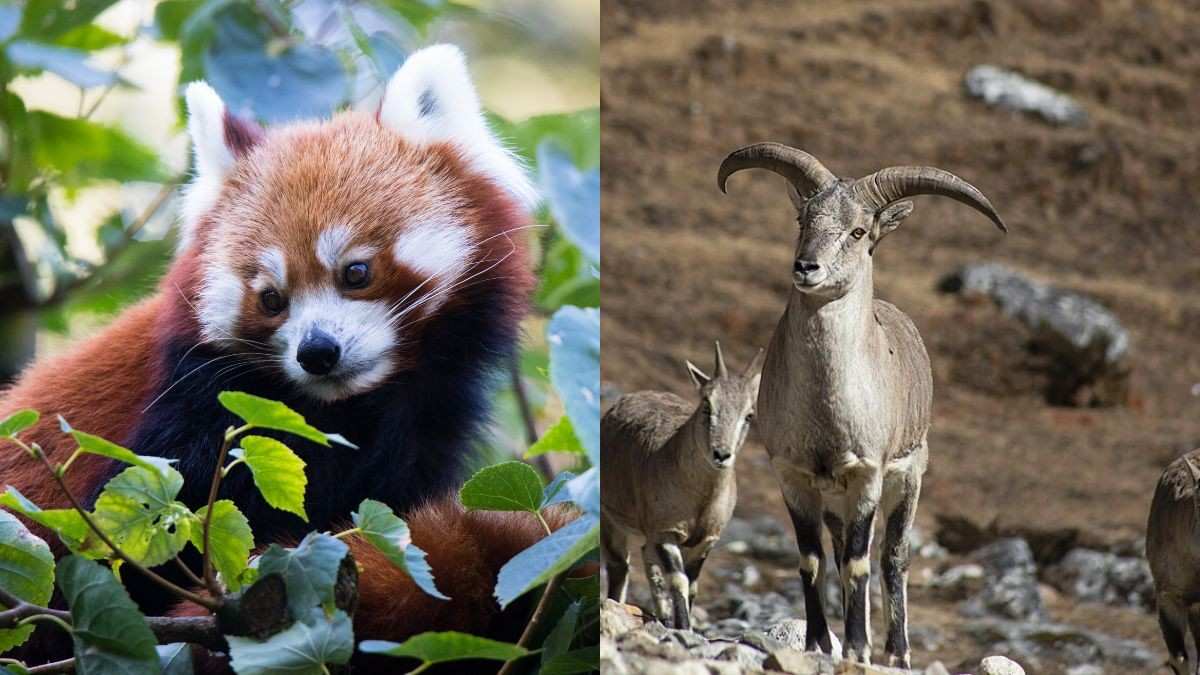



There are many national parks in India. But trust us when we tell you that Khangchendzonga National Park (KNP) in Sikkim is special. Wildlife lovers will be amazed to know that the park is home to some rare species of animals, making it a must-visit destination for them. So, if you are planning to visit Sikkim, we suggest you visit Khangchendzonga National Park.
6 Rare Animals To See In Khangchendzonga National Park
Before we get to the list, you should know that Khangchendzonga National Park is India’s first UNESCO World Mixed Heritage Site because it is known for its natural beauty and also for its cultural significance. The park is also known for its stunning landscape, featuring Mount Khangchendzonga (Kangchenjunga), the world’s third-highest peak, along with rich flora and fauna. Here are six rare animals you can spot in KNP!
1. Snow Leopards
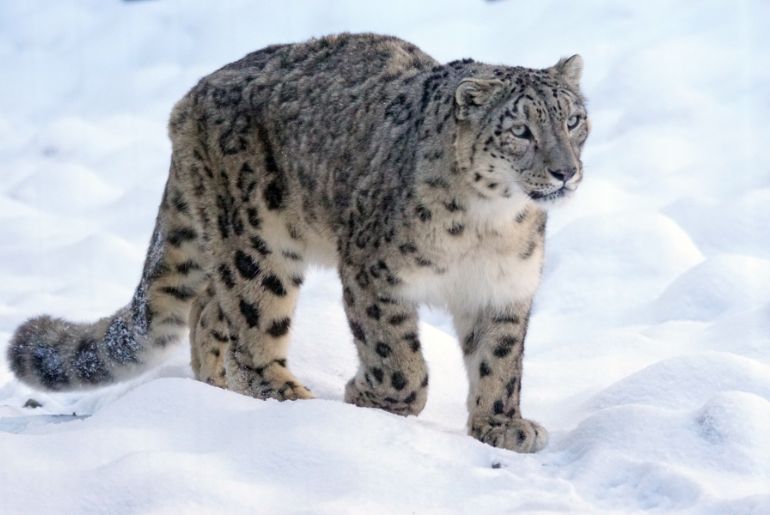
Snow leopards look really cute and fluffy. But these wild big cats are often called the ‘ghost of the mountains’ because of their mysterious and elusive nature. Khangchendzonga National Park in Sikkim is home to these snow leopards. Sightings could be quite rare. You might have to be patient and observe quietly, as these leopards can be lurking anywhere around you, and trust us, you won’t have a clue.
2. Red Pandas
These adorable, small-sized red pandas also call Khangchendzonga National Park their permanent home. The park has rich biodiversity, including bamboo forests, where these endangered red pandas can be seen roaming around or sitting on tree branches, looking at their surroundings with their curious, round eyes.
3. Himalayan Black Bear
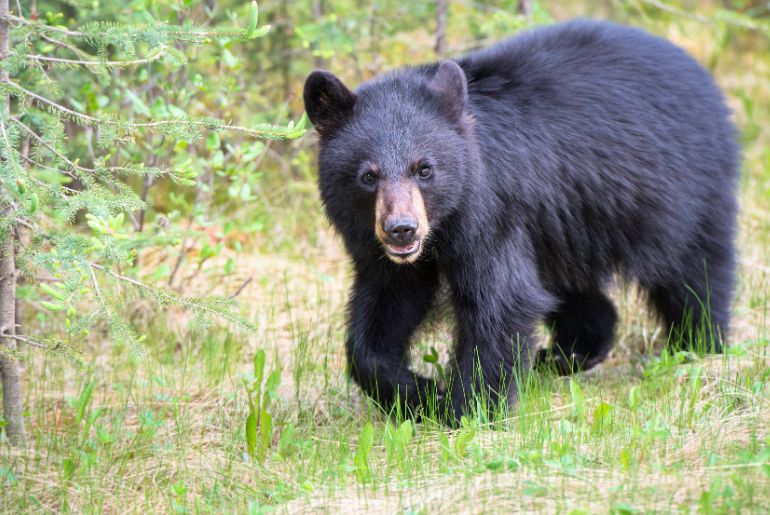
Khangchendzonga National Park in Sikkim is considered a crucial habitat for Himalayan black bears. Known for their glossy black coats, these animals are mostly solitary in nature. Their sightings are rare because most of these bears avoid humans. But if you observe your surroundings silently, you might see one relaxing around or spending time with its cubs. Do not disturb them, as they may not appreciate it.
Also Read: 5 Top Wild Animals To Spot In Tadoba National Park Apart From Tigers
4. Tibetan Wolf
A rare wolf species with a dense coat, Tibetan wolves also call Khangchendzonga National Park their home. They mostly live in the high-altitude areas of the park. Their thick, wool-like fur is what sets them apart from other wolf species. You can spot them moving in packs across the open landscapes or hear them howling in KNP.
5. Musk Deer
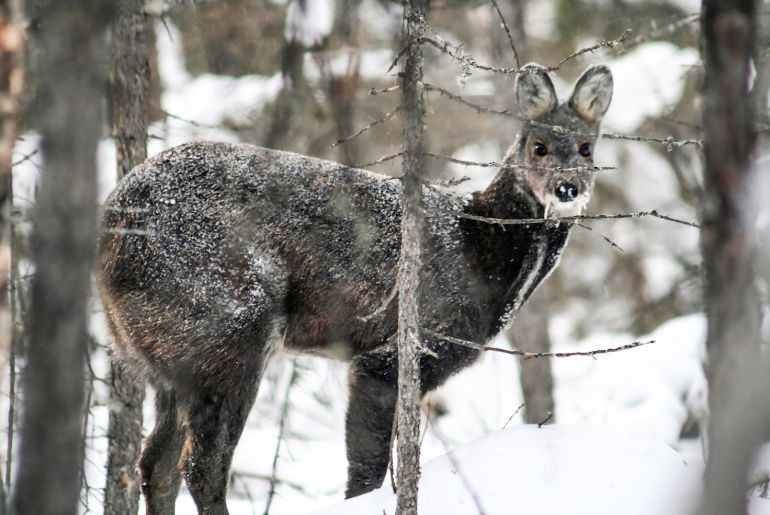
Small and shy, with a greyish-brown coat, these adorable musk deer are also found in Khangchendzonga National Park. These animals are quite rare, and spotting them can be difficult. However, if luck is on your side, you might see them moving gracefully in the national park.
6. Blue Sheep
Blue sheep, also known as bharal, are another important species found in Khangchendzonga National Park. They are medium-sized animals and are known to be excellent climbers. These animals mainly act as one of the primary prey species for the endangered snow leopard.
Also Read: From Rare Black Panther To Leopards: 5 Animals To Spot In Kabini Wildlife Sanctuary, Karnataka
These are some of the rare animals you can spot in Khangchendzonga National Park. So, when are you planning to visit?
Cover Image Courtesy: Canva Pro/ Cloudtail_the_Snow_Leopard and Bharal, Wikipedia/ Sangyam adventurer
For more such snackable content, interesting discoveries and the latest updates on food, travel and experiences in your city, download the Curly Tales App. Download HERE. First Published: January 11, 2026 12:00 PM