

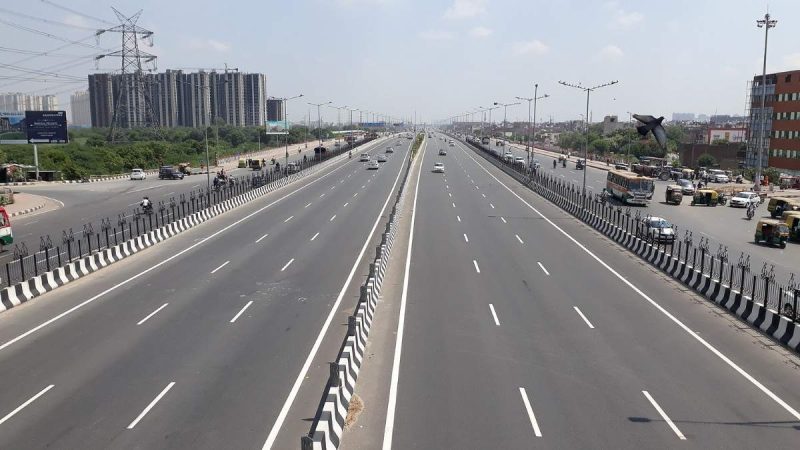
The expressway aims to create a smooth and seamless connection between Bareilly and Haldwani. By constructing a direct high-speed highway, the project is designed to bypass multiple traffic-prone areas that have long caused delays for commuters, including Rudrapur, Kichha, Lalkuan, Pantnagar, and Baheri. In Bareilly, the expressway will directly connect with NH-30 and NH-24, helping build a more seamless route between Delhi-NCR and the Kumaon hills.
What Does It Mean For The Travellers?
As per reports, for people travelling from Gurugram and Delhi, the new route is expected to make road trips to Uttarakhand much quicker and smoother by cutting down heavy traffic on the current route. The project will also reduce travel time to under four hours. The controlled-access expressway is also projected to improve driving safety and support business activity in areas like Pantnagar and Lalkuan through improved transport connectivity.
As Haldwani is the main gateway to hill stations such as Nainital, Bhimtal and Ranikhet, weekend trips for travellers will become more convenient and accessible. The expressway is expected to serve not only tourists travelling from Delhi-NCR but also commuters from Uttar Pradesh. If reports are to be believed, the corridor could eventually be connected with upcoming road routes such as the Shamli-Gorakhpur Expressway.
Well, it’s good news for Delhi NCR travellers, as your road trips just got better.
Cover Image Courtesy: Wikimedia Commons
FAQs
What is the current status of Delhi-Dehradun Expressway?
The ₹12,000-crore Delhi–Dehradun Expressway is officially fully open, cutting travel time to just 2.5 hours.
How many greenfield expressways are there in India?
India is currently developing 25 greenfield expressways covering a combined length of roughly 10,000 km.
What is the current status of Delhi-Mumbai Expressway?
The Delhi-Mumbai Expressway is approximately 82% complete and partially operational, though its full completion has been delayed to March 2028.