

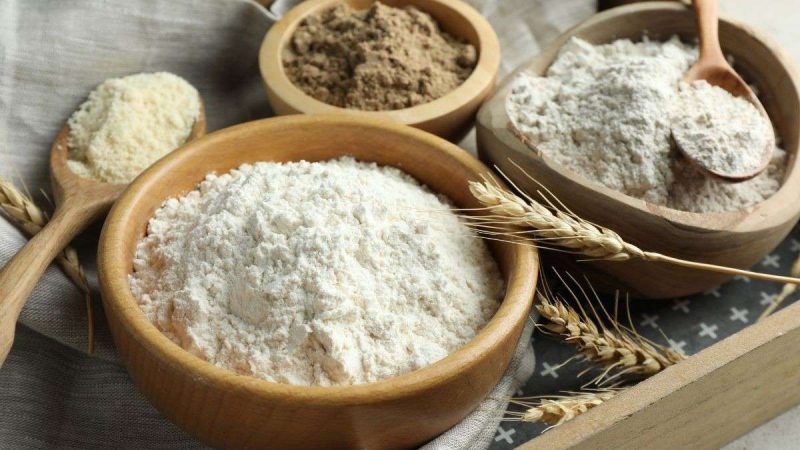
Our needs for food and drinks keep changing with the weather. What we need in summer may not be important in winter. This is why it’s recommended to eat seasonal veggies and fruits. As it gets colder with each new day, we need healthier and more nutritious food. Having winter foods on our plate keeps our energy levels up and our immunity strong. We all know about eating seasonal veggies, but have you thought that you might need to switch to some other flour instead of regular wheat in winter? Today, we are going to talk about six types of flours and millets that should be included in your winter diet.
6 Types Of Flours To Include In Your Winter Diet
1. Bajra (Pearl Millet)

Give your wheat chapatis a break and make delectable rotis using bajra flour. It is a warming grain rich in fibre. The presence of zinc, iron and magnesium makes it a healthier choice than wheat in winter. Bajra also has complex carbs, which provide energy and keep our immunity strong. It is a gluten-free flour and can be used to make rotis, paranthas and puris.
2. Ragi Flour (Finger Millet)
This is one of the best types of flour you should include in your winter diet. Just like bajra, ragi is a warming grain that keeps the chills away. Rich in calcium, iron and fibre, ragi is considered a superfood that is nourishing and tastes good. You can make ragi chapatis, porridge, chillas, pancakes, and more using ragi flour. It is versatile and has countless uses.
3. Makki Flour (Cornmeal)
No winter is complete without sarson ka saag and makki ki roti. Makki ki roti not only tastes amazing but has many benefits too. It is loaded with fibre, iron and vitamins, which makes it a winter superfood. Makki ki roti keeps you full, energised and also lends warmth to the body.
Also Read: 10 High-Protein Indian Winter Snacks Every Traveller And Trekker Should Pack
4. Jowar Flour (Sorghum)
Jowar flour is also an excellent choice for winter. Chapatis made using this flour aid digestion and keep the gut happy. Jowar is filling, so you stay satiated for a long time. It is easily digestible and can be eaten with sabzis and curries. Though many prefer it in summer, jowar is nourishing and light and can be eaten year-round.
5. Amaranth Flour (Rajgira)
Coming to our next option, we have amaranth flour. This is an immunity booster as it is rich in antioxidants and zinc, which keeps winter ailments like cold and cough away. Amaranth flour is warming and provides instant energy during the colder months. You would be surprised to know that amaranth flour is an excellent source of protein as well. You can use it to make pancakes, porridge, chapatis and more.
6. Kangni Flour (Foxtail Millet)
Rich in fibre and vitamin B12, kangni is one of the healthiest types of flour to include in your winter diet. This flour keeps you warm and also helps keep the heart healthy. Kangni flour has a low glycaemic index, which is good for anyone looking to manage their blood sugar. The best part? Kangni is versatile. Use it for chapatis, khichdi, upma and pulao.
Also Read: 6 Benefits Of Jaggery Or Gur, Which Makes It The Perfect Winter Superfood!
So, these are the types of flours you can easily switch to this season from your usual wheat flour. They are healthy, full of benefits and versatile too.
Cover Image Courtesy: Canva Pro/ Africa images
For more such snackable content, interesting discoveries and the latest updates on food, travel and experiences in your city, download the Curly Tales App. Download HERE.