

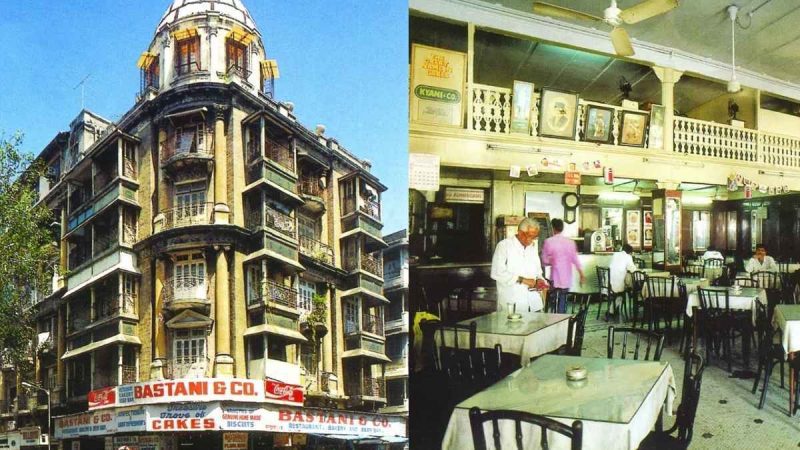
Walk into almost any old Irani café in Mumbai, and you will notice one curious detail. Most of them stand on street corners. From iconic cafés in South Mumbai to old neighbourhood bakeries, the pattern repeats itself across the city. Want to know why? Scroll down.
Reason Behind Irani Cafes On Street Corners
Digital creator Pranav Joshi took (@floydiancookery) to his Instagram to share the story behind such fine detail. He stated that the story dates back to the late 19th century, when thousands of Iranians migrated to Bombay. Many fled Iran during a devastating famine in the 1870s, while others escaped religious persecution under the Qajar dynasty. Most arrived with very little money but brought strong culinary traditions and experience running tea houses known as kahwa khanas.
Also Read: Mysterious Speakeasy To Secret Cocktail Club: 9 New Restaurants In Bengaluru To Discover In May
He further revealed that, at the same time, Bombay was rapidly expanding due to the cotton mill boom. The growing workforce needed affordable places to eat and drink before and after long shifts. The Iranians quickly noticed this opportunity and began opening small cafés serving chai, bun maska, biscuits, and simple meals.
However, there was one issue. Prime commercial spaces in Bombay were expensive, and the newcomers could not afford them.
The Vastu Belief That Changed Mumbai’s Café Culture
This is where Vastu beliefs unintentionally played a role. According to traditional Vastu principles, certain plot shapes were considered unlucky for businesses. One such layout was the “shair mukhi”, or lion-faced plot, which is wide at the entrance and narrow at the back. Many corner plots in old Bombay followed this exact shape.
Also Read: 11 New Restaurants In Delhi In May Offering Speakeasy Vibes, Italian Food, Regional Classics & More
Because local merchants often avoided these supposedly inauspicious spaces, corner properties were available at much cheaper rates. The Iranians, unfamiliar with or unconcerned by these beliefs, rented and bought them without hesitation.
Ironically, these corner plots turned out to be perfect for cafés. The wide entrances improved visibility and allowed easy movement for customers coming from different streets. Mill workers could quickly stop for chai and snacks before heading off again.
Cover Image Courtesy: Website/Kyaani & Co
FAQs
Why are Irani cafés so popular in Mumbai?
These Iranian-style cafes were started by Zoroastrian immigrants and Shia Muslims, who came to Mumbai from Iran to escape famine and persecution by Arab invaders and also to seek better economic prospects in the late 19th century and early 20th century.