

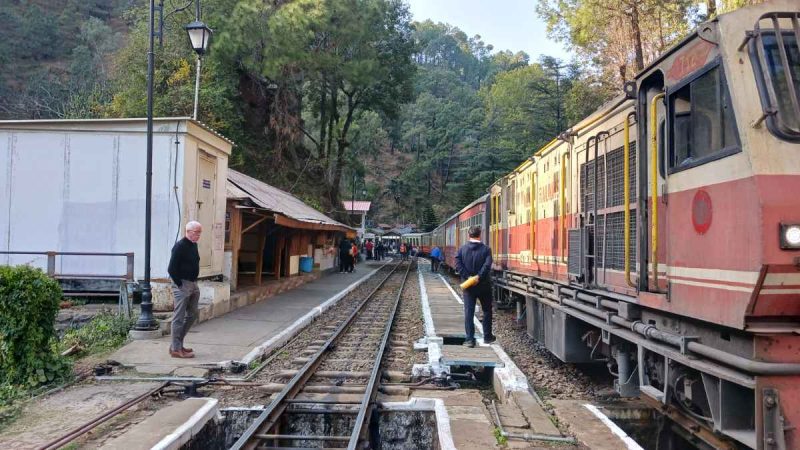
Indian Railways has increased the penalty for activities affecting cleanliness at railway stations, trains and other railway premises to ₹1,000, up from the earlier maximum fine of ₹500. The revised rules were notified by the Ministry of Railways in the Official Gazette on August 24, 2026, and have come into effect from the date of publication. Read on to know more.
Which Activities Can Attract A ₹1,000 Fine From Indian Railways?
According to reports by the Indian Express, the amendment, called the Indian Railways (Penalties for Activities Affecting Cleanliness at Railway Premises) Amendment Rules, 2026, has been introduced under the Railways Act, 1989. Under the revised provision, anyone found violating the cleanliness rules can be liable to a penalty of ₹1,000. If the penalty is not paid, the person can be produced before a competent court, which may impose a fine of up to ₹2,000.
The rules prohibit passengers and others from throwing or leaving litter at railway stations, on railway premises or inside train coaches, except in designated areas. Several other activities that affect cleanliness are also prohibited unless specific facilities have been provided.
Also Read: Jammu-Srinagar To Get 3rd Vande Bharat Train Amid High Demand; Check Route ; Stops
These include cooking, bathing, spitting, urinating, defecating, feeding animals or birds, washing vehicles, utensils or clothes, and storing items on railway premises. Putting up posters or writing and drawing on coaches or railway property without permission is also prohibited. Any activity that damages or defaces railway property can attract action under the rules. Authorised vendors and hawkers are also required to keep dustbins or waste containers for collecting litter and ensure that the waste is disposed of properly.
Who Can Collect The Railway Penalty?
The amended rules allow designated railway officials to collect penalties from people violating the cleanliness provisions. These include Station Masters or Station Managers, Ticket Collectors from the Commercial Department, officials of equivalent rank in the Operating Department, and other personnel authorised by the Railway Administration to enforce the rules.
Also Read: Lucknow-Saharanpur Vande Bharat: Check Route, Stoppages, Timings & All About This New Train
With the penalty now doubled from ₹500 to ₹1,000, the Railways aims to strengthen enforcement of cleanliness norms and discourage passengers from littering or carrying out activities that leave railway premises dirty or damaged.
What are your thoughts about this?
Cover Image Courtesy: Wikimedia Commons
FAQs
What is the current railway act in India?
The current main law for train travel and operations in India is the Railways Act, 1989.
What is rule 14 in Indian Railways?
Rule 14 of the Railway Servants (Discipline and Appeal) Rules, 1968, outlines special procedures for imposing penalties on railway employees without following the standard, full-scale inquiry process under certain extraordinary circumstances.
What is not allowed in Indian Railways?
Indian Railways strictly prohibits carrying hazardous materials, smoking, consuming alcohol, and traveling in reserved coaches with waitlisted or unreserved tickets.