

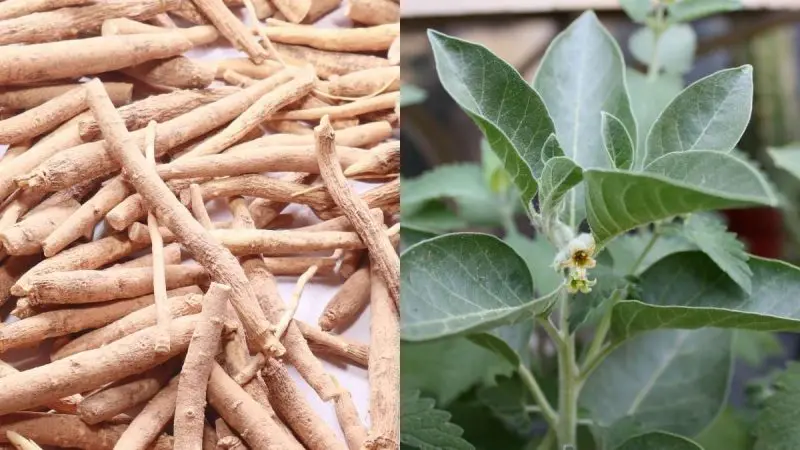
Recently, India’s food regulator has issued a new advisory that could change how we consume Ashwagandha and its usage in health and wellness products. The Food Safety and Standards Authority of India (FSSAI) has tightened its guidelines, specifying which parts of the Ayurvedic herb can be used in food items. Read on to know more about the development.
FSSAI Raises Alert On Ashwagandha Usage
According to a report by NDTV, FSSAI’s recent guidelines state that Ashwagandha leaves are not allowed in food products, whether in raw form, extracts, or any other form. The food regulator pointed out that under its 2016 nutraceutical and health supplement regulations, only Ashwagandha roots and their extracts are allowed, and that too within specified limits. The advisory comes after authorities noticed that some manufacturers were using the Ashwagandha leaves in their formulations, which fall outside the approved guidelines.
Also Read: Tomato Sauce Made With Chemicals & Acid Found In UP Raid; Tips To Identify Artificial Tomato Sauce
What Part Of Ashwagandha Is Allowed?
But one main question arises: why is only the root allowed? As per the existing guidelines, listed under Schedule IV of the 2016 regulations, only certain parts of the plant are approved for use in food categories like functional foods and health supplements. The Ashwagandha root has recognised safety and usage standards, while the leaves are not included in the list. The step is also supported by the Ministry of Ayush, which recently directed manufacturers of Ayurvedic products to stick to Ashwagandha roots and completely avoid the leaves. This arrangement between regulators signals a stricter push for compliance in both the food and traditional medicine sectors.
As per the news portal, Food Business Operators have now been asked to ensure immediate compliance and avoid the use of any Ashwagandha leaves. Any product currently using the leaves may need reformulation, and FSSAI has also warned that violations could lead to strict action under the Food Safety and Standards Act, 2026. Food regulators across states have been advised to keep a close watch and take necessary actions whenever needed.
Ashwagandha has gained its popularity for its Ayurvedic health benefits. Especially in health drinks, capsules and fortified foods. The recent advisory is a reminder that every natural ingredient still needs to meet certain safety and regulatory standards.
Also Read: FSSAI Raids 1,401 Kg Of Adulterated Paneer From Godown In Surat; Tips To Identify Fake Paneer
What are your thoughts on this? Let us know in the comments.
Cover Image Courtesy: Wikimedia Commons
FAQs
What is ashwagandha really good for?
Ashwagandha is an adaptogenic herb, often used in Ayurveda, that helps the body manage stress by lowering cortisol levels.