

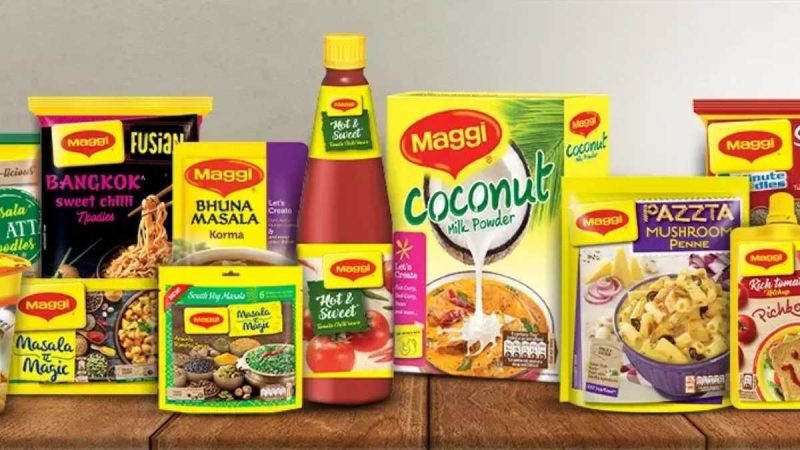
Every food packet we buy comes with nutritional information printed on the back. It tells us how much sugar, fat, carbohydrates and other nutrients the product contains. But now, Nestle has urged India to consider putting clearer health warnings on the front of food packets. Read on to know what the company is asking for and why it matters.
Nestle Calls For Front-Of-Pack Health Warnings In India
Nestle wants India to involve food companies while deciding rules for front-of-pack health warning labels. Nestle CEO Philipp Navratil said the company supports warning labels for products that are high in sugar, salt and fat. As per India Today, however, he believes food manufacturers should also get a chance to share their views during the process.
Navratil, as reported by Reuters, said the rules should be based on scientific evidence. He also stressed that the labels should make it easier for consumers to understand what they are buying and make informed food choices.
The food labelling debate has now reached the Supreme Court. Health activists filed pleas seeking warning labels on packaged food and drinks. During the case, the Supreme Court criticised the government (Centre) for taking too long to introduce these warnings. The court also called for these warnings to be displayed clearly on the front of food packets.
Also Read: Chinese Food Lovers, Take Note! Maharashtra FDA To Soon Inspect Chinese Street Food Stalls
Size Of India’s Packaged Food Market
The food labelling debate becomes even more important when you look at the size of India’s packaged food market. Indian Today reported industry estimates suggest that nearly 80% of products in the country’s packaged food and beverage market, worth more than $100 billion, could be high in fat, sugar and salt. This makes clear and easy-to-spot warning labels even more important for consumers.
The debate has also brought attention to a curious difference: the same brand can have different versions of a product in different countries. Companies may change their products depending on local rules, customer preferences and what people can afford. Take Fanta, for example. A can sold in London has 63 calories, while a similar-sized can in India has 185 calories and three times more sugar.
We hope this matter is taken seriously in India!
Also Read: Railways Follows FDAs Lead With Inspections At Station Canteens; Thane Stall Sealed
Cover Image Courtesy: website/ Nestle India
FAQs
Is Nestle supporting "front-of-pack" labelling?
Yes, Nestle supports front-of-pack labelling for products high in sugar, salt and fat.
Why Nestle says to involve food companies?
Nestle says food companies should be consulted to ensure the labelling rules are scientifically sound and help consumers make informed choices.
How packaged food differs in each country?
Packaged food can differ across countries based on local regulations, consumer preferences and spending capacity.