
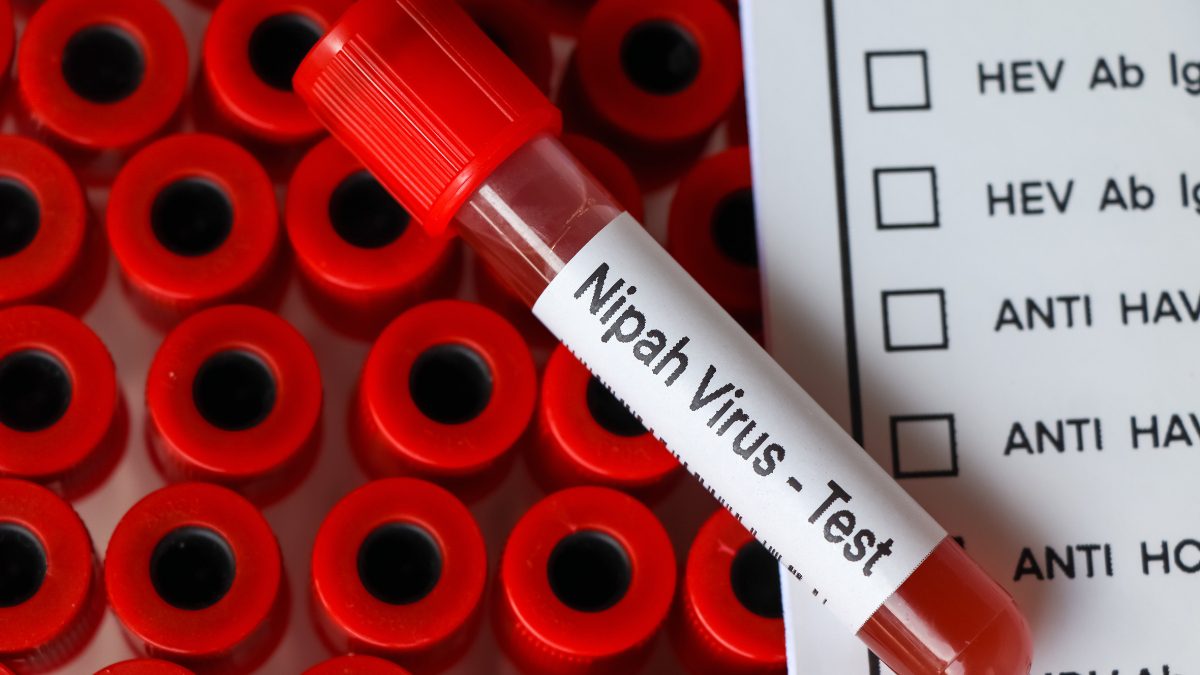



West Bengal is currently dealing with a fresh Nipah virus alert, and health authorities are moving fast to stop it from spreading further. While the numbers are still small, Nipah is a high-risk virus, which is why the situation is being taken very seriously.
West Bengal On High Alert As Nipah Virus Hits Nurses And Doctor
The outbreak has been traced to Barasat, near Kolkata. So far, five cases of Nipah virus have been confirmed, all linked to a private hospital in the area. The first two patients were a male nurse and a female nurse, both admitted to intensive care. According to Money Control, the male nurse is now clinically stable and improving. Unfortunately, the female nurse remains in a very critical condition and is still on aggressive treatment.
After this, testing revealed three more infections, all among healthcare workers from the same hospital. These three patients have been shifted to the government-run Infectious Diseases Hospital in Beleghata, Kolkata, where they are being closely monitored.
To prevent any further spread, nearly 100 people who came in contact with the patients have been placed under home quarantine, Money Control reported. Health teams are continuing contact tracing to ensure there is no community transmission.
Also Read: “Inaugural Shine vs. Reality,” Food On Vande Bharat Sleeper Train Draws Flak From Passengers
All You Need To Know About Symptoms And Safety
Nipah virus is classified by the World Health Organisation (WHO) as a priority pathogen with a high fatality rate. According to Money Control reports, there is no vaccine and no specific antiviral treatment. Consequently, the only way to control Nipah is through early detection, isolation, and strict preventive measures, which is exactly what authorities are focusing on right now.
Nipah virus symptoms usually appear 4 to 14 days after exposure. Early on, the symptoms may resemble those of a typical flu, including fever, headache, cough, body aches, and overall weakness. But the infection can get worse very fast. In severe cases, it affects the brain and causes disorientation, extreme drowsiness, seizures, or even coma.
How Can You Protect Yourself?
Follow these essential precautions to prevent Nipah Virus infection. Stay alert, stay informed, and follow advisories issued by local health authorities.#NipahVirus #PublicHealth #HealthForAll pic.twitter.com/itTuZA18ev
— Ministry of Health (@MoHFW_INDIA) January 22, 2026
To lower the risk of infection, the Ministry of Health has provided clear dos and don’ts.
What You Should Do:
- Wash all fruits properly before eating
- Drink boiled or chlorinated water
- Wash hands frequently with soap and water
- Follow instructions issued by local health authorities
- Protect animal feed, sap collection sites, and wells from bats
- Wear protective clothing when handling animals or cleaning animal sheds
- Use proper personal protection when caring for or coming in contact with infected individuals
What You Should NOT Do
- Do not eat half-eaten or fallen fruits
- Avoid raw date palm juice, toddy, or liquids stored in open pots
- Avoid close contact with anyone infected with Nipah virus
- Do not touch sick or dead animals
- Avoid places where bats may live, such as abandoned wells, caves, old houses, or mines
Right now, this is a contained outbreak, and health officials are actively monitoring the situation.
Cover Image Courtesy: Canva/Kittisak Kaewchalun
For more such snackable content, interesting discoveries and the latest updates on food, travel and experiences in your city, download the Curly Tales App. Download HERE. First Published: January 23, 2026 6:59 PM