


The two great river systems of India, the Indus and the Ganga, are both heading in opposite directions. The revelation comes after a study that highlights how the condition of both the Ganga and the Indus can have harmful repercussions. Read on to know more about the condition of the Ganga and Indus rivers.
What Is Happening In The Ganga And Indus Rivers?
According to The Hindu, as per a study published in , an American Geophysical Union publication, the two great river systems, the Indus and the Ganga, are moving in exact opposite hydrological directions, carrying far-reaching consequences all over South Asia.
Researchers from the Indian Institute of Technology, Gandhinagar, found that the Ganges basin is drying up at a rapid pace, while the Indus River is witnessing a speedy increase in water levels. From the data studied from 1980 to 2021, the researchers found that over the past four decades, the water flow of the Ganga basin has declined by a massive 17%, while the Indus basin’s flow has increased by 8%.
Also Read: Odisha’s Strawberries Go Global; 51 Kg Fresh Strawberries Exported To London For The 1st Time
What Is The Reason Behind Declining Water Flow In The Ganga Basin?
According to News-18, the peer-reviewed research highlights that the decreased rainfall isn’t the only reason for the decrease in water flow in the Ganga Basin. Over the years, the rainfall in the region has decreased by 10%, but it is still not the most important factor. The major cause is said to be the indiscriminate exploitation of groundwater used for irrigation.
In many parts of the Ganga basin, 50% to 70% of river flow comes from groundwater, and water reaching the rivers decreased when farmers pumped out extra groundwater. The study also determined that the situation is critical in parts of the Yamuna and Upper Ganga, where the river water is getting absorbed.
What Is The Cause Of The Increase In Water Level In The Indus Basin?
According to the Hindu, changing monsoon patterns and western disturbances are the main causes of the increase in water levels in the Indus River system and its tributaries, like the Jhelum and Chenab.
How Will This Impact The Indus Waters Treaty?
The research findings are linked with the 1960 Indus Waters Treaty, signed in 1960, that divides the Indus River system between India and Pakistan. Under this agreement, the eastern rivers like Ravi, Beas, and Sutlej were given to India, while the western rivers like Indus, Jhelum, and Chenab were given to Pakistan.
Also Read: Odisha’s Strawberries Go Global; 51 Kg Fresh Strawberries Exported To London For The 1st Time
India suspended the treaty after the Pahalgam terror attack in April 2025. As per the Hindu, IIT-G professor Vimal Mishra talked about climate change and human use of water and also showed the water-sharing arrangements under the IWT. He stated that the increased water levels are not affected in Punjab in India, where the groundwater is declining.
Lastly, the research warns that the drying up of the Ganga is said to be the fastest decline in the last 1,300 years, which can impact millions of people.
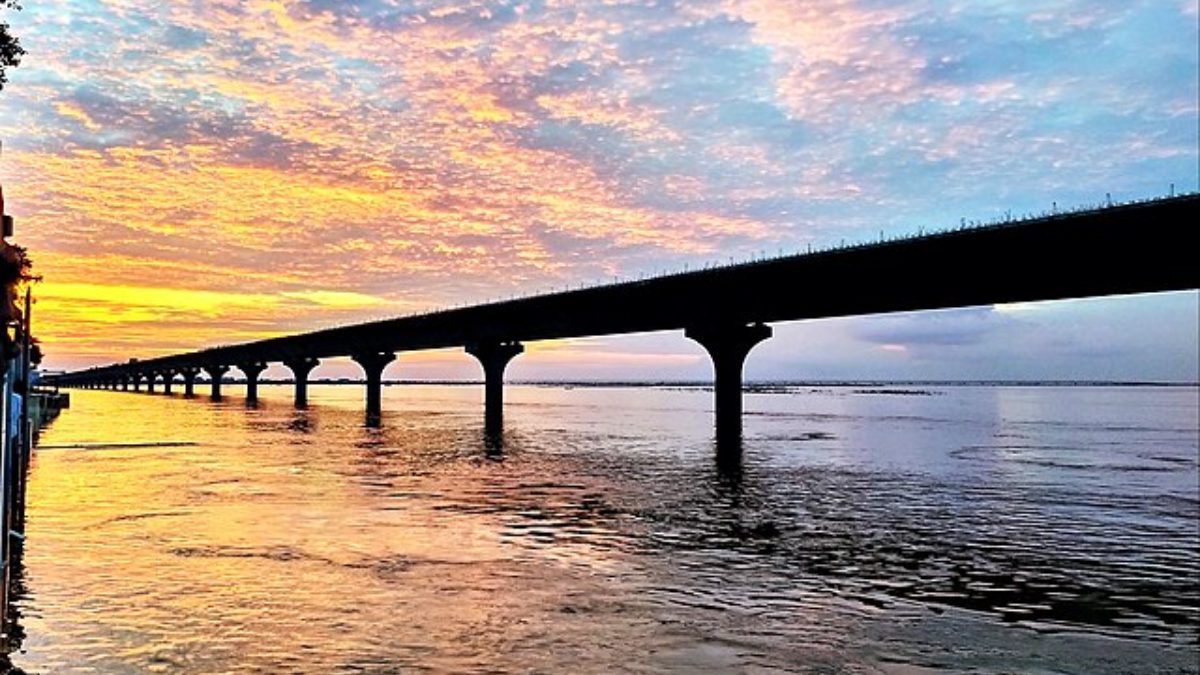
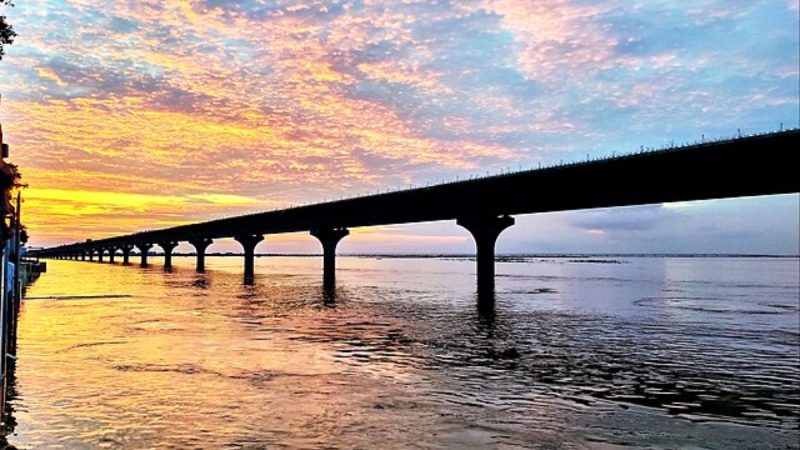
Cover Image Courtesy: Wikimedia Commons/Sumit Kumar Shaurya
For more such snackable content, interesting discoveries and the latest updates on food, travel and experiences in your city, download the Curly Tales App. Download HERE. First Published: February 16, 2026 12:22 PMFAQs
What is the real cause of increase in Indus water increase?
The main cause of the rapid increase in the Indus water flow system is changing monsoon patterns and western disturbances.
Why the Ganga River is drying up?
Two major reasons why the Ganga River is drying up are a decrease in rainfall and the indiscriminate exploitation of groundwater used for irrigation.
What does the Earth's Future research conclude?
The research warns that the drying up of the Ganga River can impact millions of people.