
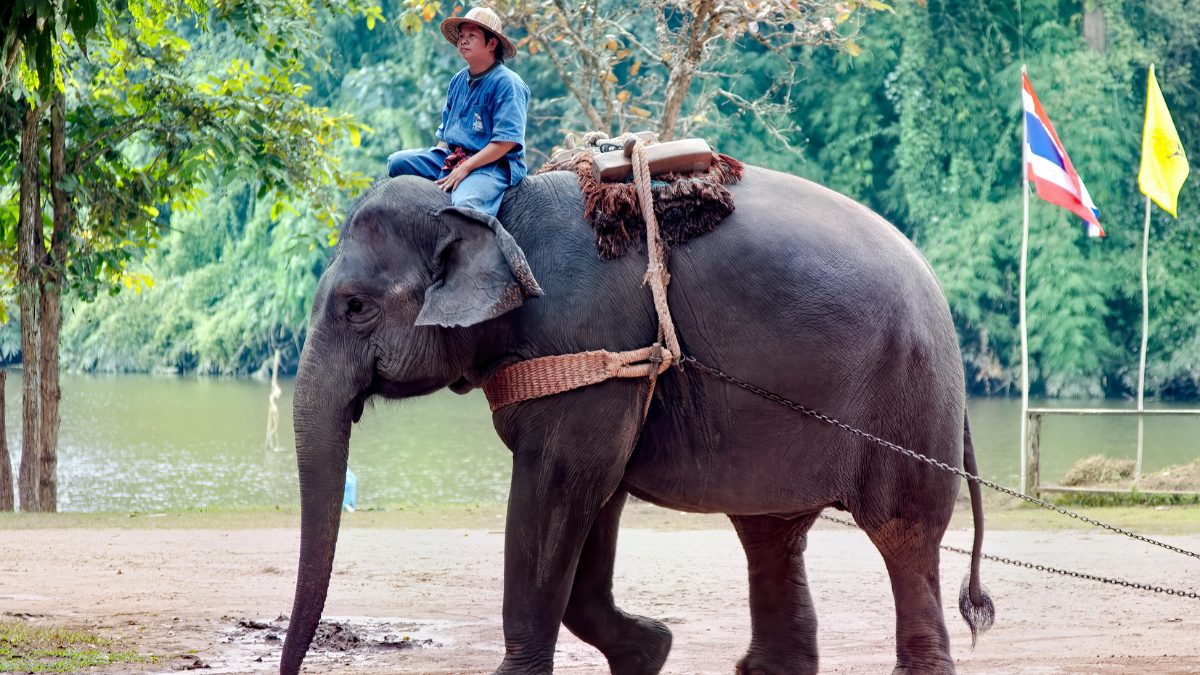



It’s a relief for the elephants in Indonesia! The country, famous for its tourist attractions and rides, has finally banned elephant rides, marking the end of a decades-long activity. Here’s what led to the ban of the activity.
Indonesia Finally Bans Elephant Rides
The historic move came just three months after an explosive investigation conducted by PETA Asia into Bali’s top elephant parks. The investigation uncovered deeply disturbing claims of animal abuse, which were denied by the park, which called them untrue.
According to PETA Asia, the two famous elephant parks, Mason Elephant Park in Ubud and Baka’s Adventure Elephant Safari in Klungkung Regency, were reportedly engaging in the punishment and cruel treatment of the animals.
Also Read: Odisha’s Strawberries Go Global; 51 Kg Fresh Strawberries Exported To London For The 1st Time
What Does the PETA Asia Study Reveal?
The investigators at PETA Asia found that elephants in these parks are chained in bleak, concrete pens and have many open wounds and permanent scars on their heads and legs. They also witnessed handlers repeatedly jabbing and striking the animals with bullhooks, weapons that are similar to fireplace pokers with sharp metal hooks.
They also witnessed elephants being denied food to force them to give rides or pose for tourist photos. The cruelty was to an extent when the park authorities locked one baby elephant in a dark, off-limits enclosure, which was invisible to the public. The study also revealed how “these aren’t isolated incidents; they are the standard at elephant-exploiting tourist traps.” When elephants are not forced to entertain tourists, the handlers leave them chained for hours at a time. Many elephants are also seen developing foot and joint problems, while others suffer from post-traumatic stress.
Also Read: Watch: Snowy Aarti At Rudranath Temple In Uttarakhand Goes Viral, Leaves Devotees Spellbound
After the PETA Asia findings, the new government guidelines have officially put a ban on elephant rides, shows and performances, and they are no longer legal.
However, PETA says the holdouts in the tourism industry still haven’t got the memo and still force elephants to do painful activities like carrying humans on their backs, playing soccer and others.
As a tourist, the best way to take care of animals is to not visit any place that allows such activities. This ban is a great initiative taken towards animal safety. What do you think about it? Let us know in the comments below.
Cover Image Courtesy: Pexels/Walter Lange
For more such snackable content, interesting discoveries and the latest updates on food, travel and experiences in your city, download the Curly Tales App. Download HERE. First Published: February 11, 2026 1:42 PM