

Janmashtami has a decided routine; fast through the day, sing for Krishna, wait for midnight and celebrate his birth. But in India’s Northeast, this script picks up details from the region’s own history, music and religious traditions. In Assam, Krishna is part of the centuries-old satra culture; in Manipur, his world spills into classical dance; in Meghalaya, his leelas become street tableaux. The celebrations are not identical, and that is exactly what makes them worth looking at.
How Northeast India Celebrates Janmashtami Differently?
1. Assam: Where Janmashtami Is Also Theatre, Music And A Little Folklore
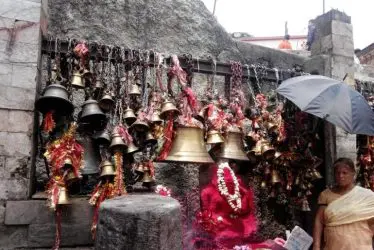
In Assam, especially on Majuli, Janmashtami is inseparable from the satras, the Vaishnavite monasteries that became centres not just of worship but of Assamese cultural life. The festival is observed for one or two days depending on the satra. Fasting, puja, congregational naam-prasanga and dramas depict Krishna’s birth here. At Auniati Satra, the devotional repertoire includes Janmashtami Geet, Krishna Gopi Nritya, Gayan-Bayan and other Satriya performances. So, Krishna’s story is quite literally sung and performed rather than simply narrated.
There are wonderfully specific local customs, too. The Majuli district administration notes that coconut, an offering commonly used during other religious ceremonies, is not offered on Janmashtami, while pakamithoi is a special offering for the festival. There is also a distinctly Assamese belief that Janmashtami should come with thick clouds, rain and thunder. A dry, quiet night is considered somehow disappointing.
Also Read: How India Celebrates Krishna’s Birthday: 10 Unique Janmashtami Traditions From Across India
2. Manipur: Krishna’s Story Moves Through Dance
Manipur has one of the most fascinating Krishna traditions in the Northeast because the deity is deeply embedded in the state’s performing arts. The Shree Shree Govindajee Temple in Imphal is one of the major centres of Janmashtami, with devotees arriving from early morning and celebrations continuing late into the night. The festival is also observed at ISKCON Mandir and Gopinath Mandir in Bishnupur, which Manipur Tourism describes as a major temple that celebrates Janmashtami with grandeur.
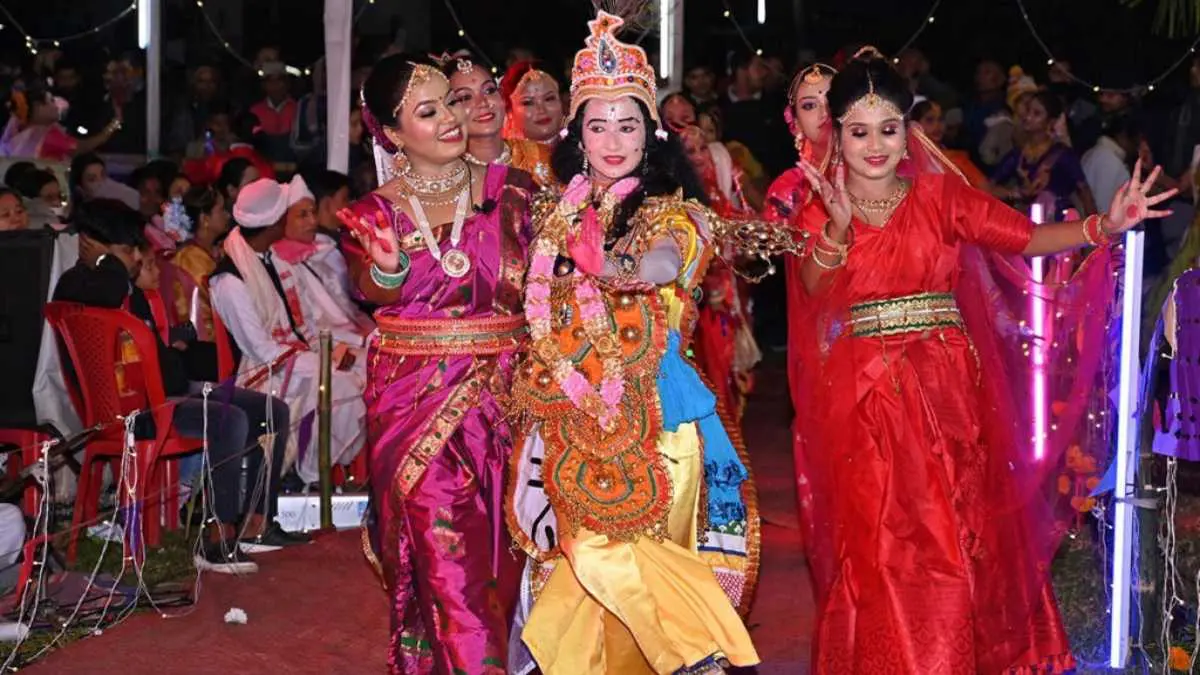
But the real cultural connection runs deeper. Manipuri Ras Leela, built around Radha and Krishna, is one of the state’s defining classical dance traditions, while devotional forms such as Sankirtana use singing, drums and cymbals. During Janmashtami celebrations in Imphal in 2025, a Ras Leela performance featuring children playing Krishna and Radha was among the highlights. So here, Krishna is not confined to the temple idol. He exists in the choreography, the music and the stories that generations have learned to perform.
Also Read: What Is Nandotsav? The Day After Janmashtami When Gokul Celebrates Krishna’s Arrival
3. Meghalaya: Krishna’s Leelas Become A Street Spectacle
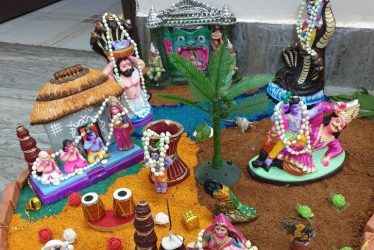
In Shillong, Janmashtami has a distinctly community-driven feel. In 2024, temples across Meghalaya were illuminated for the festival, while processions called shobha yatras carried tableaux showing Krishna’s teachings and various leelas. Devotees walked through the streets singing kirtans, while temples and community groups organised programmes around Gopala, Krishna’s childhood form. Prasad, sweets and fruits were distributed among devotees, and the day culminated in special midnight pujas marking Krishna’s birth. The celebrations were not limited to the capital either; similar festivities were reported from Tura in the Garo Hills.
4. Tripura: The Midnight Birth Begins With An Abhishek
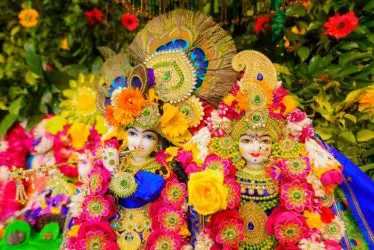
Tripura’s celebrations revolve strongly around temples, where the day builds towards Krishna’s midnight arrival. One recent example came from Palatana ISKCON Temple in Udaipur. The 2025 celebration included a ceremonial abhishek of Lord Krishna, floral offerings and the distribution of prasad to devotees. The temple drew a large gathering, while Janmashtami was also observed at ISKCON centres and other temples around the state.
The festival is not simply about putting up decorations and waiting for midnight; the deity is bathed, worshipped and adorned, devotees gather for prayers, and offerings are made before the moment of Krishna’s birth. It is an old Vaishnavite ritual structure, but one that continues to bring together contemporary temple communities across Tripura.
Also Read: Janmashtami 2026: 8 Trips In India For An Unforgettable Midnight Celebration Of Lord Krishnas Birth
5. Sikkim: A Mountain-State Janmashtami At Thakurbari Mandir
In Gangtok, Janmashtami unfolds at the Thakurbari Mandir. This gives the festival a very different geographical backdrop from the plains usually associated with Krishna. The temple hosted Shree Krishna Janmashtami celebrations in 2025, attended by devotees and members of the temple committee as well as Sikkim Governor Om Prakash Mathur. The celebration is significant because Thakurbari is an important Hindu religious space in Gangtok, where festivals and community gatherings continue to bring together the city’s Hindu population. Sikkim’s Janmashtami is more about the intimacy of temple worship with lamps, flowers, prayers and devotees gathering together in the middle of a Himalayan city.
6. Arunachal Pradesh: A Krishna Tradition Carried Across The Northeast
In Arunachal Pradesh, Janmashtami offers an intriguing glimpse into how communities carry traditions with them. At Kristi Kendra in Naharlagun, the Assamese community has been celebrating Krishna Janmashtami since 1974. One reported celebration brought around 300 devotees together at the local namghar, beginning with naam-prasanga and continuing with Diha Naam, Krishna Naam and Nagara Naam. That detail is crucial because the namghar and these forms of congregational devotional singing are strongly associated with Assam’s Vaishnavite heritage. In Arunachal, they have become part of the religious life of an Assamese community living there. It is a reminder that the Northeast’s cultural map does not stop neatly at state borders; traditions travel with people. Krishna arrives in Arunachal not with one single “Arunachali” style, but through a community bringing its own devotional language and making a home for it there.
Also Read: Why Do People Fast On Janmashtami? What Actually Goes On The Vrat Thali
The beauty of Janmashtami in the Northeast is that Krishna seems to change with the landscape without losing himself. In Assam, he is performed; in Manipur, he is danced; in Meghalaya, his stories move through the streets; in Tripura, he is welcomed through temple ritual; in Sikkim, he is celebrated in the mountains; and in Arunachal Pradesh, his name travels through the namghar. The birthday is the same. The cultural vocabulary is not. And that is what makes the Northeast’s Krishna celebrations so distinctive.
Cover Image Courtesy: madhubanicore447/X
FAQs
How is Janmashtami celebrated in Northeast India?
Janmashtami is celebrated through different regional traditions across the Northeast, including satra performances in Assam, Ras Leela in Manipur, street processions in Meghalaya and temple rituals in states such as Tripura and Sikkim.
How is Janmashtami celebrated in Assam?
In Assam, particularly in Majuli’s satras, Janmashtami includes fasting, naam-prasanga, devotional music, Gayan-Bayan, Krishna Gopi Nritya and dramas depicting Krishna’s birth.
Why is Manipur famous for Krishna celebrations?
Manipur has a deep cultural connection with Krishna through Manipuri Ras Leela, a classical dance tradition centred on Radha and Krishna, as well as devotional Sankirtana performances.


