
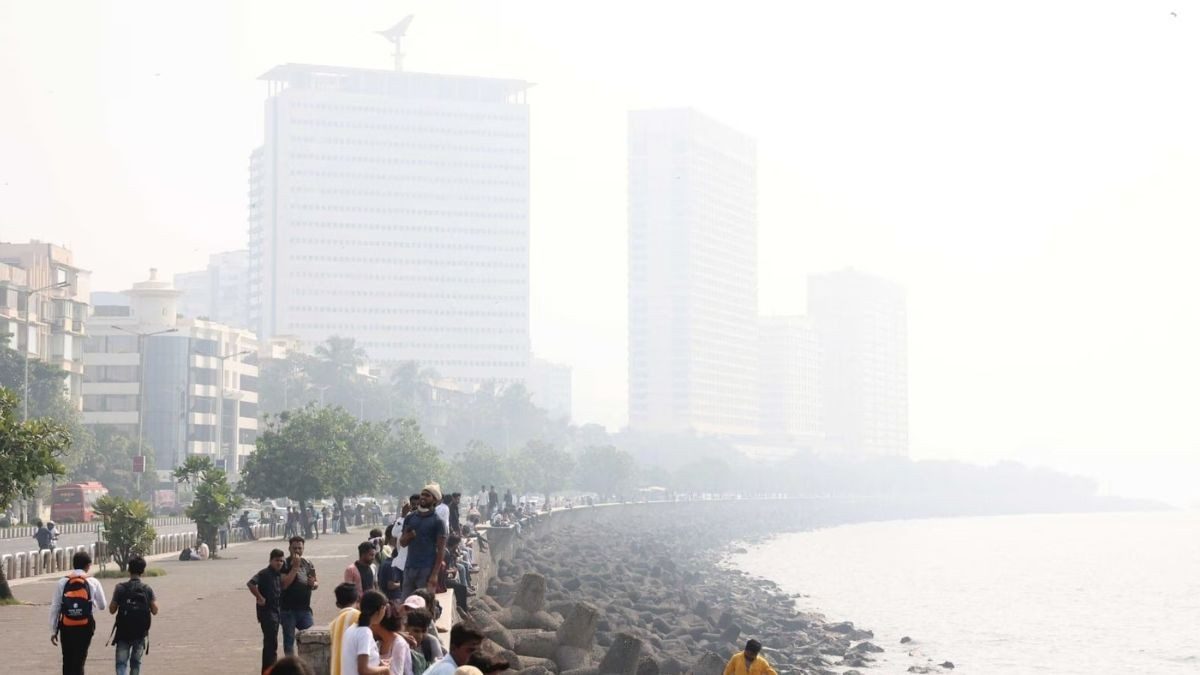


Delhi has been battling severe pollution. But now, Mumbai has also joined Delhi on the list of cities with toxic air owing to its rising AQI. Authorities have now started enforcing strict GRAP-4 restrictions to get the worsening situation under control. But you must know that Mumbai’s GRAP-4 restrictions differ significantly from the restrictions in Delhi. Here’s why.
GRAP-4 Restrictions In Mumbai To Control Pollution
Not just the capital, but even Mumbai is battling rising AQI numbers and pollution. According to a report by NDTV, several monitoring stations in Mumbai have been recording AQI readings between 200 and 300. This has now forced the BMC to invoke stricter controls under GRAP, which is ‘GRAP-4.’ The restrictions have been rolled out for areas that have been consistently in the ‘very poor’ and ‘severe’ categories of the AQI. These areas include Mazgaon, Deonar, Malad, Borivali East, Chakala-Andheri East, Navy Nagar, Powai and Mulund. The rising pollution has caused health discomfort among many residents.
These are the restrictions now imposed in the areas battling a tough pollution crisis:
- BMC has halted construction and dust-generating activities. Dozens of sites are being monitored closely by the authorities.
- Stop-work and shutdown notices have been issued to 50 construction and Ready-Mix Concrete (RMC) sites.
- Several small industries, including bakers and marble-cutting units, have been asked to shift to cleaner processes.
- Flying squads, including engineers, police personnel, and GPS-tracked vehicles, have been deployed in every ward to enforce pollution-control norms. They will also actively monitor emissions.
- 53 sites out of the 70 inspected by BMC were found violating dust-control rules. Notices have been served to them.
Also Read: Pollution Getting To You? 5 Winter Destinations In India With Remarkably Low AQI
How Mumbai’s GRAP-4 Rules Differ From Delhi
According to a report by NDTV, Mumbai’s GRAP-4 restrictions are quite different from Delhi’s. The capital’s restrictions include:
- A ban on the use of BS-III petrol and BS-IV diesel cars.
- School classes shift to hybrid mode except for students of Classes 10 and 12.
- Private companies provide work-from-home. Government offices work at 50% strength.
- Entry of truck traffic is banned in Delhi.
In conclusion, residents of Mumbai in heavily polluted areas will face strict anti-pollution enforcement. While others may still need to take care of their health, there are no major disruptions to daily life, school or work. Everything else will function normally, including vehicles.
Also Read: Delhi & Mumbai’s Rising AQI Equals Smoking 7 Cigarettes Daily; Here Are 5 Tips To Stay Safe
Since Mumbai’s pollution is getting worse, we advise residents to limit outdoor activities, eat a healthy diet and take care of themselves. Let’s hope the situation gets better soon for both Delhi and Mumbai.
Cover Image Courtesy: @NalinisKitchen/ X
For more such snackable content, interesting discoveries and the latest updates on food, travel and experiences in your city, download the Curly Tales App. Download HERE. First Published: December 01, 2025 12:41 PM