

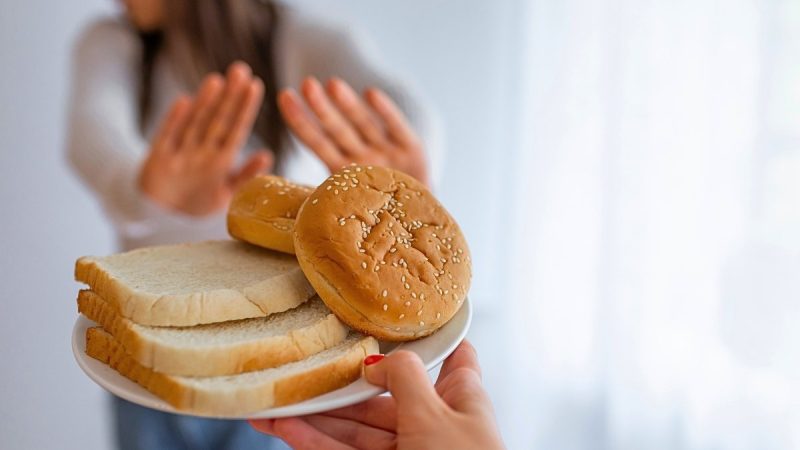
A friend mentions cutting carbs for painful periods. It “really helped”. So you Google it, and suddenly you’ve self-diagnosed a hormonal imbalance and decide to adopt gluten-free diet. UAE doctors say this symptom, social post, restriction is exactly where things start to go wrong.
Cutting Carbs Because Of A Viral Post? UAE Doctors Warn Gluten-Free Diet Backfires
Dr Bibiana Singh, from Medcare Women & Children Hospital, says to Gulf News that fatigue, weight changes, acne and mood swings are routinely pinned on hormones online. But, the real cause could be anaemia, poor sleep, stress or an undiagnosed thyroid condition. Adrienn Dániel, founder of The Hormone Method, has seen women spend months blaming hormones for weight gain that turned out to be a thyroid issue they’d never tested for.
Conditions like PMOS (formerly PCOS), thyroid disorders and perimenopause are particularly prone to this kind of self-diagnosis. Dr Singh explains that because their symptoms overlap heavily with other conditions and vary widely between women, a one-size-fits-all online fix is unlikely to work for anyone.
The Elimination Diet Trap
Dániel describes a familiar pattern: dairy gets cut for “spiking insulin”, then gluten for being “inflammatory”, then seed oils, then sugar, until a woman is eating a handful of foods and calling it a hormone protocol, with no one checking whether she’s still getting proper nutrition. Carb restriction is a particular flashpoint: doctors warn that long-term under-eating carbs or going gluten-free completely can actually disrupt cycles rather than fix them.
Research backs the caution. Reviews of self-initiated elimination diets link sustained restriction to malnutrition, micronutrient deficiency, food-related anxiety and, in some cases, disordered eating, the opposite of the “reset” these diets promise.
When To Stop Self-Managing
Dr Singh’s advice: symptoms like heavy or irregular bleeding, unexplained weight change, persistent pelvic pain, new lumps or symptoms disrupting daily life should go to a doctor, not another elimination round. Testing has its place, but a result outside the normal range doesn’t automatically indicate disease, and one within range doesn’t rule out a condition either.
Also Read: Dubai Food & Fitness Influencer, Gbemi’s Catfish DXB Serves Scrumptious West African Cuisine
Both experts agree social media isn’t the enemy, it’s a starting point for better questions, not a substitute for a diagnosis. The advice: check the qualifications behind the advice, be wary of absolute claims like “doctors don’t want you to know this,” and take persistent symptoms to a professional before cutting entire food groups.
Cover Image Courtesy: CanvaPro/dragana991 from Getty Images
FAQs
Is it safe to follow hormone-balancing diets from social media?
UAE doctors advise caution, since these protocols are rarely individualised and can lead to nutrient deficiencies or disordered eating patterns.
What symptoms should prompt a doctor's visit instead of self-treating?
Heavy or irregular bleeding, unexplained weight changes, persistent pelvic pain, new lumps, or symptoms affecting sleep and daily life.