

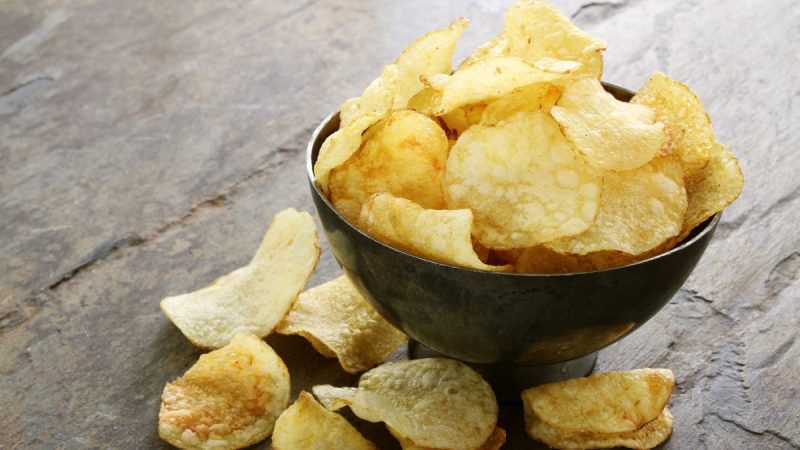
School lunchboxes and canteen counters in Jordan are about to look different. The country’s Ministry of Health has banned the sale of all types of chips in school canteens, as part of measures regulating the food allowed for sale in schools.
What The Ban Covers
The decision was issued by Health Minister Ibrahim Al Badour under the Public Health Law and its amendments, and it takes effect from the date of publication. It forms part of broader efforts to regulate food sold in school canteens and to strengthen health standards for the products offered to pupils.
Why Jordan Is Acting Now
The reason is a worrying figure. Safwan Dababneh, director of the Non-Communicable Diseases Directorate at the Health Ministry, said 33 per cent of children in Jordan are overweight or obese, and that the rate has risen compared with previous years. He warned that the increase could expose children to health risks, including chronic diseases later in life.
Alongside the ban, the ministry has stepped up inspections of school canteens, so the new rules are expected to be checked rather than left on paper. Canteen operators will need to review what they stock, and parents may notice different options on the counter.
The Wider Gulf Picture
Jordan is not alone in tightening what children can buy at school. Saudi Arabia has banned 30 food items from school canteens, including chips and cold tea. In the UAE, a new rule sets fines of up to Dh500,000 for food that exceeds salt and sugar limits, and Abu Dhabi has introduced a policy that moves foods high in fat, salt and sugar out of prime spots in stores and online. UAE schools, too, have been changing what appears on children’s lunch menus.
Also Read: UAE Schools Ban Sugary Food & Fizzy Drinks On Campus, Promoting Healthy Food; Here’s Why
Healthier Swaps For School Bags
For parents, the shift is a good prompt to look at what their children actually eat during the school day. Canteen rules cover only part of it, so what goes into the bag matters just as much. Fruit, yoghurt, sandwiches with a protein filling and water are easy swaps for packaged snacks. Involving children in choosing their own healthier options also helps the habit stick, and keeps lunchtime something they look forward to.
Health officials across the region increasingly stress that reducing obesity takes teamwork between governments, schools, healthcare professionals, food suppliers and families. Jordan’s chips ban is one visible step, but its impact will depend on how consistently it is enforced and how well it is backed up at home.
Cover Image Courtesy: CanvaPro/Langan
FAQs
Are other countries in the region restricting school canteen food?
Yes. Saudi Arabia has banned 30 food items from school canteens, including chips and cold tea, and the UAE has set fines of up to Dh500,000 for food exceeding salt and sugar limits.
How many children in Jordan are overweight or obese?
According to the Health Ministry’s Non-Communicable Diseases Directorate, 33 per cent, a rate higher than in previous years.