
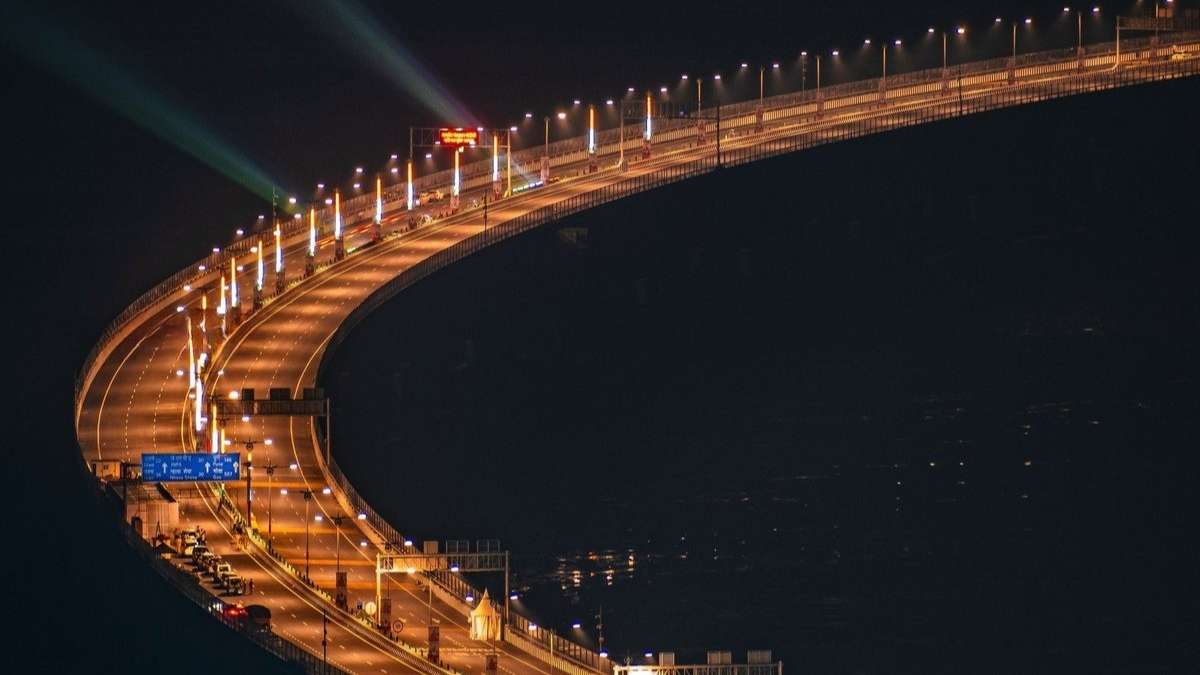


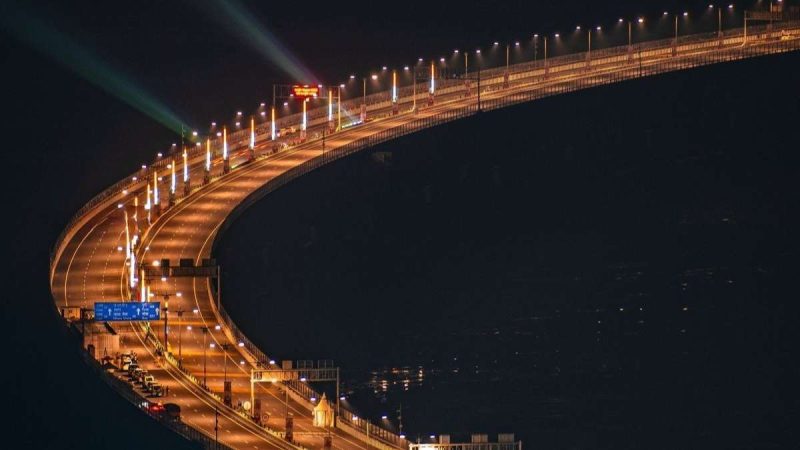
Navi Mumbai International Airport is quickly emerging as a major travel hub for both domestic and international flyers, and getting there is set to become much faster. CIDCO has completed the technical planning for a new signal-free road interchange that will connect the Atal Setu directly to the airport. This means vehicles can head straight to NMIA without stopping at traffic signals. Sounds amazing, right? Scroll down to know more!
Signal-Free Interchange To Connect Atal Setu And NMIA
So, what’s actually changing? The City and Industrial Development Corporation of Maharashtra (CIDCO) is building a new signal-free road interchange. As per Hindustan Times, it will connect the Atal Setu with Navi Mumbai International Airport. And here’s the big win—once it’s ready, passengers could reach the airport terminal in just 10 minutes after exiting the Atal Setu. Right now, this final stretch takes around 30 to 40 minutes.
This faster access will be made possible through a new six-ramp cloverleaf interchange approved at Shivaji Nagar in Gavhan village. This junction is a crucial entry point where traffic from the Atal Setu enters Navi Mumbai. The interchange will directly connect the Mumbai Trans Harbour Link to the 7-kilometre-long Ulwe Coastal Road, which leads towards the airport.
The design allows traffic to move smoothly in all directions without any traffic signals, helping vehicles travel faster without frequent stops. With this upgrade, travellers from South Mumbai will be able to reach Navi Mumbai Airport in under 40 minutes. J Kumar Infraprojects Ltd is executing the project and plans to complete it by August 2026. As per Bombay High Court guidelines, authorities must protect 3,728 mangroves. This requirement has increased the project cost from around ₹700 crore to nearly ₹1,591 crore.
Also Read: Mumbaikars, You Wont Be Able To Spot Penguins At Byculla Zoo From June To August!
More About The Redesigned Shivaji Nagar Junction
Now, let’s talk about how this junction will actually work. According to Hindustan Times, the redesigned Shivaji Nagar junction in Mumbai will function as a high-speed, signal-free cloverleaf interchange with three-lane ramps, loops, and slip roads. This setup will allow vehicles to move in all directions without stopping.
CIDCO Vice-Chairman and Managing Director Vijay Singhal said the six ramps are planned to separate different types of traffic as soon as vehicles enter Navi Mumbai. Dedicated loops will enable airport-bound vehicles coming from the Atal Setu to skip Ulwe’s local roads and head straight to the terminal. Separate connectors will manage traffic between Mumbai and JNPT Port, ensuring heavy cargo vehicles do not mix with passenger traffic. Extra ramps will also handle vehicles coming from the Circle end, keeping traffic smooth and organised. And it’s not just flyers who benefit. The project is also expected to reduce congestion for residents of Uran and Panvel.
What are your thoughts on this new infrastructure development in India? Tell us in the comments below!
Also Read: In Pics: Mumbai Turns Pink With Cherry Blossom-Like Blooms; Japan Vibes In Aamchi Mumbai!
Cover Image Courtesy: X/@engmarvelsindia