
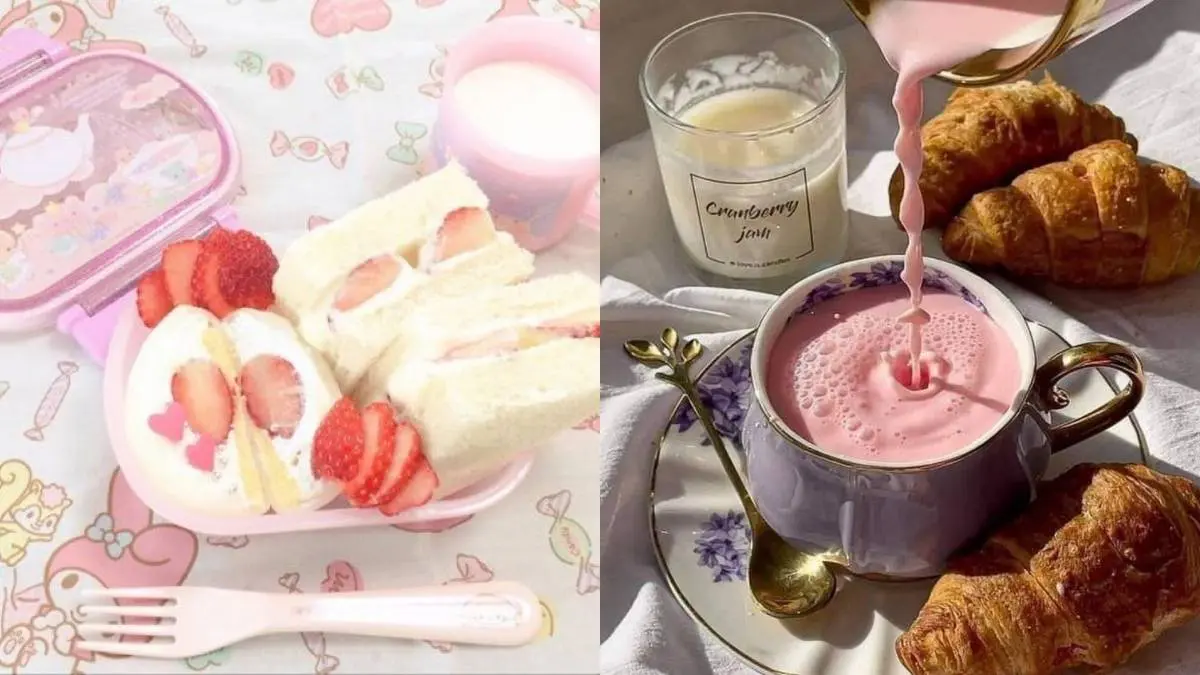

Somewhere between café culture, travel photography, and the internet’s obsession with aesthetics, pink food quietly became its own genre. The interesting part is that most of these foods were never created for social media at all. Some were born out of seasonal traditions, some out of local ingredients, and some simply because a particular fruit or flower naturally stained food pink long before “Barbiecore” entered the cultural vocabulary. The internet just discovered them later and decided they belonged on mood boards forever.
10 Gorgeous Pink Foods Around The World
1. Sakura Mochi
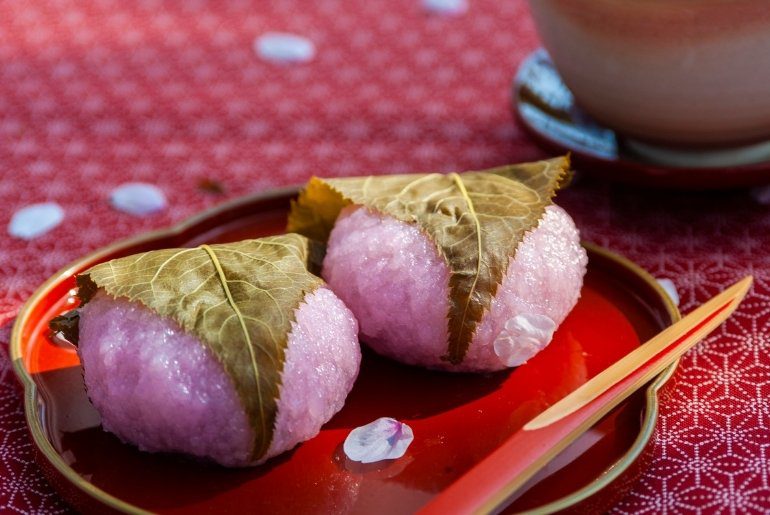
Every year, Japan waits for cherry blossom season with almost ceremonial excitement. Parks fill up, train stations start selling sakura-themed snacks, and cafés suddenly become very pink. Sakura mochi sits at the centre of this seasonal ritual.
The dessert dates back to the Edo period and is traditionally eaten during spring festivals and hanami gatherings. It is made using sweet pink rice wrapped around red bean paste, then covered with a pickled cherry blossom leaf. The leaf is not decorative; you eat that, too. It adds a salty contrast that cuts through the sweetness in a way that surprises first-time visitors.
2. Noon Chai
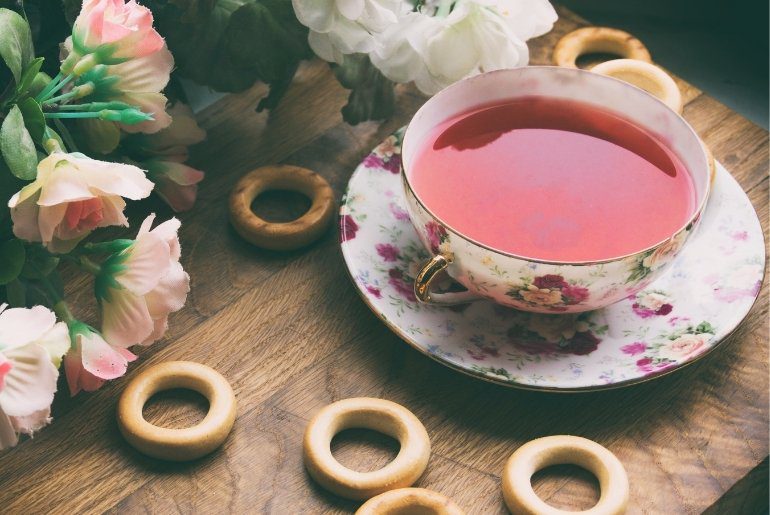
If someone handed you a cup of pink chai without details, you would probably assume food colouring was involved. Kashmir’s noon chai proves otherwise.
The tea gets its dusty rose colour through a slow brewing process involving green tea leaves, baking soda, salt, and milk. The chemistry behind it matters because, without patience, the colour simply does not happen. In many Kashmiri households, noon chai is less of a quick beverage and more of a morning ritual that unfolds gradually in the kitchen.
It is traditionally paired with local breads during winter, especially when temperatures drop low enough for the valley to disappear beneath fog.
Instagram made noon chai famous outside Kashmir. But unlike trend-driven drinks designed for aesthetics, this one carries generations of memory inside it.
Also Read: Dhurandhar’s Aalam Bhai Drinks Namak Chai, But Actor Gaurav Gera Likes His Chai With
3. Thailand’s Nom Yen
Bangkok does not do subtle street food! Even its drinks arrive with full main-character energy. Nom yen, Thailand’s famous bright-pink milk drink, looks like it escaped from a retro diner designed by Wes Anderson.
Made using sala-flavoured syrup mixed with milk and crushed ice, the drink became popular through local cafés and roadside vendors. Its vivid pink colour is impossible to ignore under Bangkok’s heat and traffic lights. Walk through old Thai neighbourhoods, and you will spot giant metal containers filled with glowing pink liquid waiting to be poured into plastic cups.
Many Thai people grew up drinking it after school, which explains why trendy cafés still serve modern versions despite changing food trends.
Also Read: What Are Thailand’s New Alcohol Restrictions? How Will It Affect Indian Tourists?
4. Japan’s Strawberry Sando
Japanese convenience stores somehow turned fruit sandwiches into luxury visual experiences. The strawberry sando sounds simple on paper; it has milk bread, whipped cream, and strawberries, but making one properly requires absurd attention to detail.
The strawberries are arranged strategically so that when the sandwich is sliced, each half reveals a perfectly symmetrical floral pattern inside.
Fruit sandwiches became popular in Japan during the twentieth century as cafés experimented with lighter Western-inspired desserts.
Also Read: Did You Know You Can Drive Your Own Train In Japan?
5. Ruby Chocolate
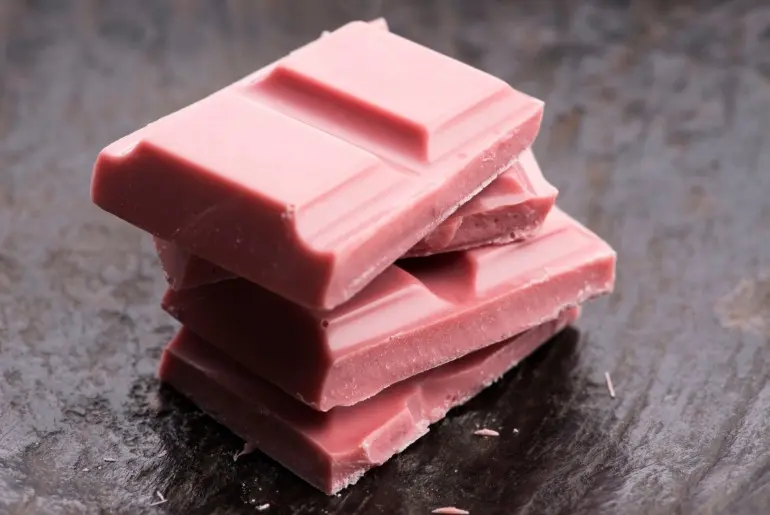
When Ruby Chocolate launched commercially in 2017, people reacted with understandable suspicion. Naturally pink chocolate sounded fake! But Swiss chocolate producers spent years developing it using specially processed ruby cocoa beans that already carried subtle reddish pigments.
Unlike white chocolate, which is creamy and rich, ruby chocolate tastes slightly tart and berry-like. Pastry chefs immediately realised they had stumbled upon the perfect visual ingredient for modern dessert culture.
Suddenly, there were ruby éclairs, ruby-coated strawberries, ruby hot chocolate, and ruby croissants. The colour sat somewhere between dusty rose and millennial pink.
6. Bali’s Pink Pitaya Bowls
For a while, every travel influencer in Bali appeared contractually obligated to photograph a smoothie bowl before doing anything else. Most of those bowls were made using pitaya, or dragon fruit, which naturally creates an almost aggressively vibrant magenta shade.
What made these bowls explode online was not just colour but styling. Cafés arranged banana slices, edible flowers, coconut flakes, kiwi, and granola with the precision of art directors preparing magazine shoots.
Dragon fruit itself has been cultivated across Southeast Asia and Central America for generations. Long before wellness culture discovered it, people valued it for its hydration and cooling properties in tropical climates.
7. Bandung
Bandung feels like the sort of drink that belongs in an old photograph. Popular across Malaysia and Singapore, it combines rose syrup with evaporated milk to create a soft pastel-pink beverage often served during Ramadan gatherings and festive celebrations.
The name itself reportedly references the way the colours blend together, much like paired elements in harmony. Some versions include grass jelly or basil seeds, while others keep things intentionally simple.
Also Read: 10 Desserts From India And Beyond That Look Straight Out Of A Pinterest Board
8. Watermelon Radishes
The first time most people cut open a watermelon radish, there is usually a moment of disbelief. Outside, it looks ordinary; it is pale green and almost dull. Inside, however, the vegetable reveals a vivid pink centre sharp enough to resemble graphic design.
Originally cultivated in parts of China and East Asia, watermelon radishes became favourites among chefs because they instantly transformed plates visually without needing complicated preparation.
Restaurants now use them everywhere, from salads to fine-dining garnishes.
9. Chomchom
Chomchom, a traditional sweet from Bengal and Bangladesh, has existed for generations inside glass mithai counters long before food photography became a profession.
Made from chhena and soaked in syrup, the sweet is sometimes tinted pale pink and coated with coconut or khoya. The result feels wonderfully old-fashioned, the kind of dessert that reminds people of weddings, train journeys, and family celebrations.
Also Read: 10 Indian Streets So Pretty They Deserve Their Own Pinterest Board
10. Pink Lemonade
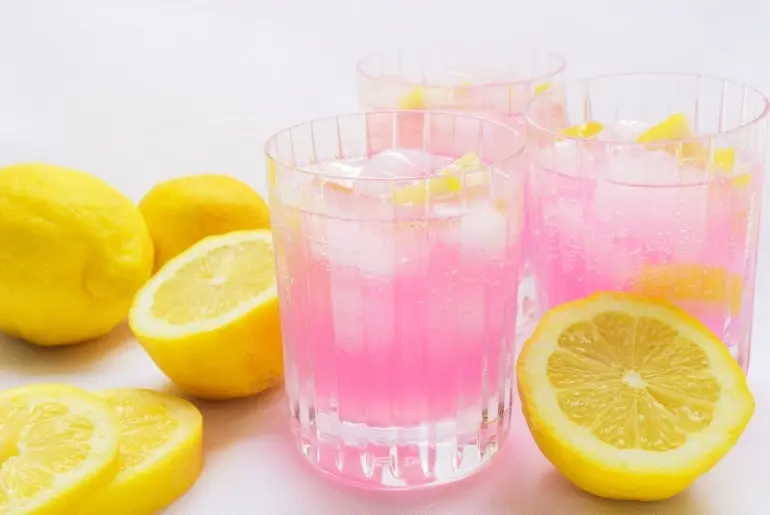
Pink lemonade might seem tame beside dragon fruit bowls and sakura desserts, but its history is stranger than most people realise. Versions of the drink reportedly became popular through nineteenth-century American circuses and travelling fairs, where brightly coloured refreshments attracted attention from crowds.
Nobody fully agrees on how the drink first turned pink. Some stories involve cinnamon candy, others involve berries, and one particularly questionable legend involves circus performers accidentally staining lemonade with red dye.
Whatever the truth, pink lemonade eventually became tied to summer nostalgia in America! Even now, a glass of pink lemonade somehow feels special.
So, which of these aesthetic foods will you try first?
Cover Image Courtesy: angelascals/X and iamumar2002/X
For more such snackable content, interesting discoveries and the latest updates on food, travel and experiences in your city, download the Curly Tales App. Download HERE.FAQs
What are some naturally pink foods?
Naturally pink foods include noon chai, pitaya bowls, watermelon radishes, sakura mochi, and ruby chocolate.
Why are pink foods so popular online?
Pink foods became popular because of social media aesthetics, food photography trends, and visually striking ingredients that naturally photograph well.
What is noon chai made of?
Noon chai is a traditional Kashmiri pink tea made using green tea leaves, milk, salt, and baking soda through a slow brewing process.
What is sakura mochi?
Sakura mochi is a traditional Japanese dessert made with pink rice, red bean paste, and a pickled cherry blossom leaf.
What is Thailand’s pink drink called?
Thailand’s famous pink drink is called Nom Yen, made using sala-flavoured syrup, milk, and crushed ice.


