


Not all new beginnings arrive together on January 1. For much of the world, the year turns over with fireworks and countdowns. But across China and many parts of Asia, the true emotional reset comes later, with the arrival of the Lunar New Year, a festival that feels less like a date on the calendar and more like a cultural heartbeat. Chinese New Year, also called the Spring Festival, follows the lunar calendar. It begins each year on the second new moon after December’s winter solstice, unfolding into a 15-day celebration that ends under the glow of the Lantern Festival’s full moon. In 2026, the festival doesn’t just bring a new year; it brings a particularly charged one.
When Does Chinese New Year 2026 Begin?
Chinese New Year 2026 begins on Tuesday, February 17, 2026. This date marks the transition from the current Year of the Wood Snake (January 29, 2025 – February 16, 2026) into the Year of the Fire Horse, which begins on February 17, 2026.
And this isn’t just another zodiac switch. The Fire Horse carries a reputation of being fast, fierce, restless and transformative.
Also Read: Cockroach On Coffee, For ₹570, Is A Legit Drink At China Museum; There Are Ant Drinks Too!
A Rare Sky Above The Festival
Adding to the sense of significance, the 2026 Lunar New Year aligns with an unusual convergence of celestial and cultural events.
The new moon that begins the year also coincides with a rare “ring of fire” annular solar eclipse, while the following evening, February 18, brings the reappearance of the crescent moon often associated with the beginning of Ramadan.
It’s one of those rare moments when the sky itself seems to underline the day, with different calendars and different traditions all turning a page at once.
The Year Of The Fire Horse: Chinese New Year
Chinese astrology runs on a deeper system than animals alone. Each year is shaped by two forces:
- One of the 12 zodiac animals
- One of the five classical elements: wood, fire, earth, metal, water
Together, they form a 60-year cycle, known as the Heavenly Stems and Earthly Branches system. As Lotus Perry, a Chinese language and culture instructor, explained: Traditional Chinese timekeeping relies on a sexagesimal system… pairing the 10 stems and 12 branches yields 60 possible combinations.
The Horse is the seventh animal in the zodiac cycle. It symbolises:
- Energy
- Freedom
- Courage
- Forward motion
When paired with the Fire element, those qualities don’t soften but rather intensify.
The Fire Horse year is often described as a year of momentum. It’s the year where things don’t sit still, stagnation feels unbearable, and people make moves, sometimes brilliant ones, and sometimes impulsive ones.
Where It All Comes From: Farming Cycles & Folklore
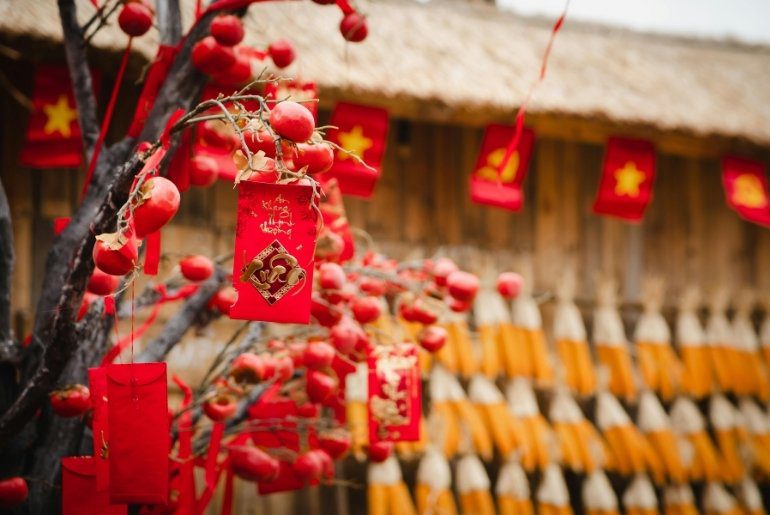
Long before zodiac memes or horoscope charts, the Chinese New Year was rooted in something practical: the land. It signalled the shift from winter into spring, the start of a new agricultural cycle, a cultural marker of survival, renewal, planting, and hope. But the festival also carries a legend.
One of the oldest stories is of a monster named Nian (“Year”), who would attack villagers at the beginning of each new year. People discovered that it feared:
- Loud noises
- Bright lights
- The colour red
And that, famously, is why Chinese New Year celebrations still burst with:
- Firecrackers
- Lanterns
- Red decorations
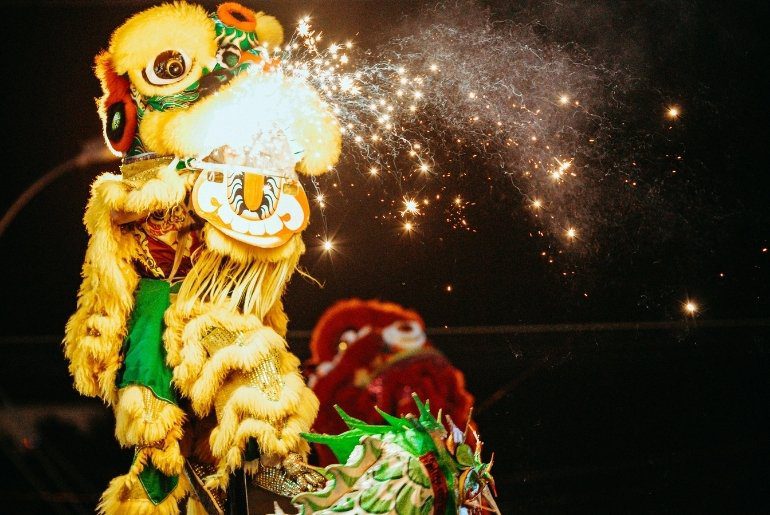
- Fireworks that crackle like warnings into the dark
The festival became both a farewell to fear and a welcome to fortune.
Also Read: This 1,500-YO Hanging Temple In China Hangs 50 M Above the Ground, & Still Stands Strong!
The Rituals That Shape The Spring Festival: Chinese New Year
Chinese New Year is not just one day. It is a season, layered with rituals that are both symbolic and deeply lived.
1. Cleaning The Home
Before the new year arrives, families clean thoroughly. The idea is simple but significant too: sweep away lingering bad luck, clear space for fresh fortune.
2. Red Everywhere
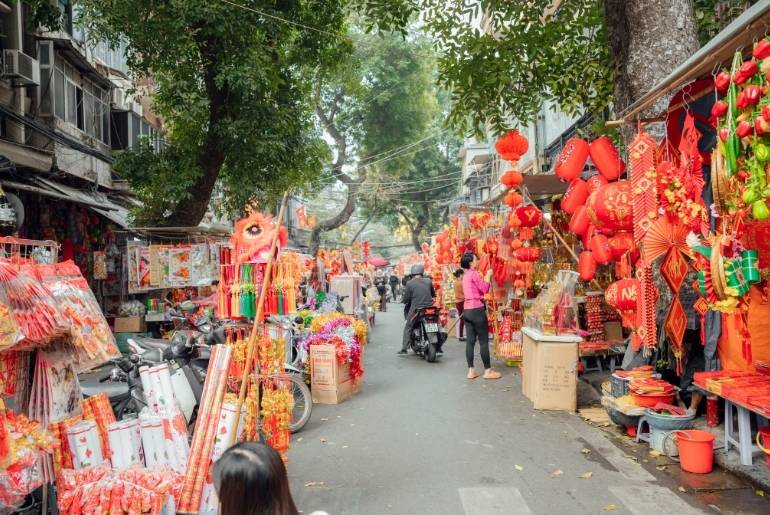
Homes are decorated with red couplets, lanterns, paper cuttings, and banners. Red is not aesthetic here, it is protective. In Chinese culture, it is believed to bring happiness and prosperity and to ward off evil. As one writer put it, red decorations are to the Chinese New Year what Christmas trees are to Christmas.
3. Reunion Dinner
On Chinese New Year’s Eve, people travel home, sometimes across continents, for the reunion feast, called nián yè fàn. This meal is the emotional centre of the festival.
4. Red Envelopes
Children and younger relatives receive money in bright red envelopes, called “hongbao,” as blessings for safety and luck.
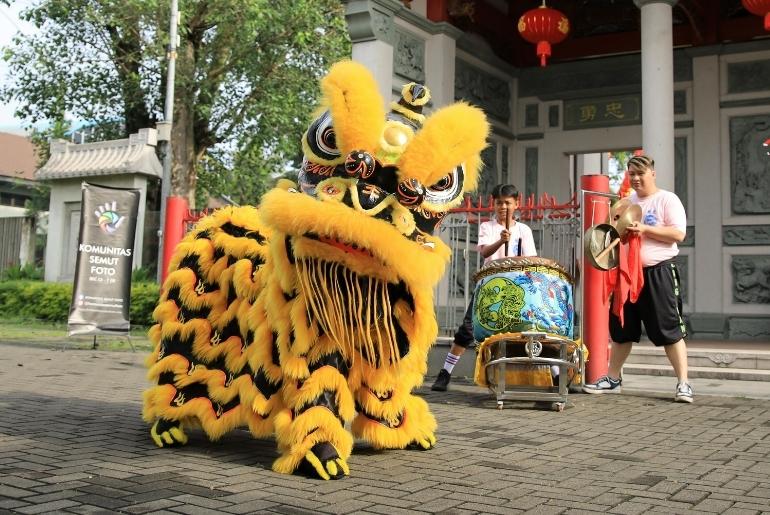
5. Lion & Dragon Dances
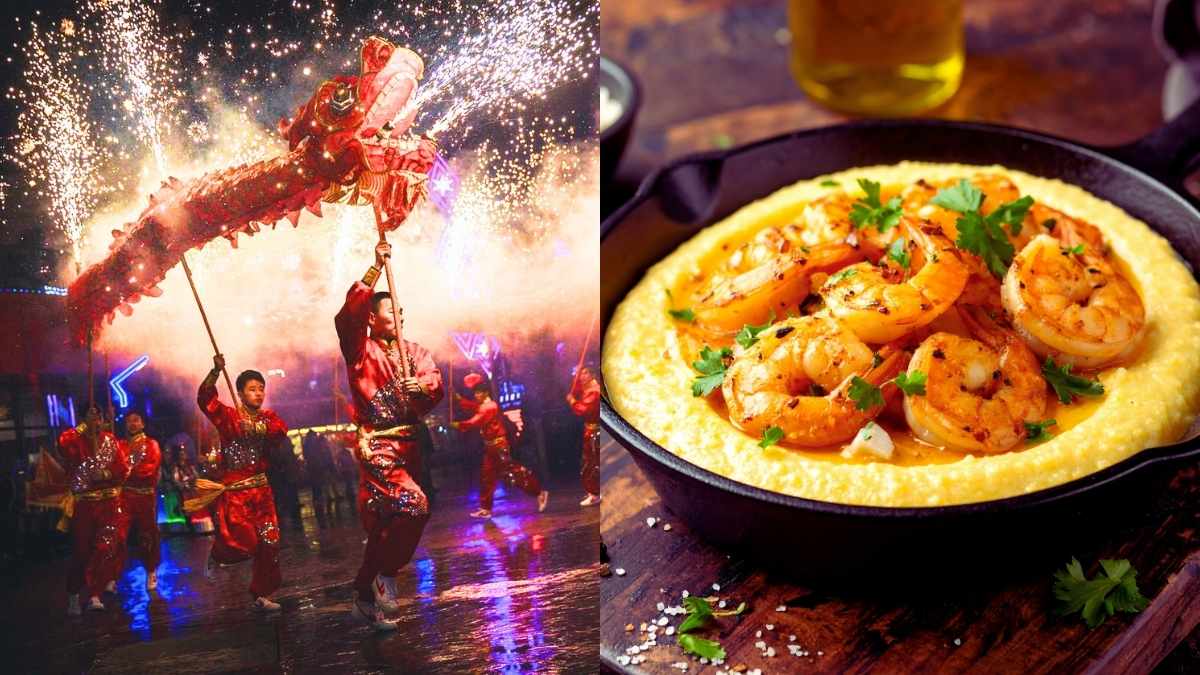
Communities host performances filled with drumbeats, movement, and spectacle. Dragon dances, especially, are symbols of good fortune, carried through streets in a surge of colour and noise.
6. Lantern Festival Finale
The celebration ends on day 15 with the Lantern Festival, when glowing lanterns fill temples and night parades, as a closing ritual of light.
How Will The Fire Horse Year Affect You?
The Fire Horse year is often framed as a “double fire” cycle repeated every 60 years, a year that pushes hard against stillness.
Themes associated with 2026 include:
- Fast-paced breakthroughs
- Sudden shifts in work and relationships
- Bold ambition rewarded
- Burnout lurking behind impulsive choices
On a global level, many astrologers connect Fire Horse years with rapid changes such as technological leaps, geopolitical moves and cultural restlessness.
The previous Fire Horse year was 1966, remembered worldwide as a period of major political and cultural upheaval. Personally, 2026 is often described as a “Phoenix Rising” year, which marks honesty, direct truth, and action replacing hesitation.
Zodiac Impact In The Year Of The Fire Horse
Chinese astrology suggests different energies depending on how each sign aligns with the Horse’s force.
Fire Ally Group (Tiger, Dog, Goat)
These signs flow naturally with Horse energy.
- Tiger: A year of dominance, leadership, and starting ventures.
- Dog: Loyalty and justice bring rewards and stability.
- Goat: Romance and success arrive through mentors and ease.
Transformation Group (Horse, Dragon, Monkey)
They face high incoming energy and a high risk of burnout too.
- Horse: Ben Ming Nian brings authority but restlessness.
- Dragon: Charisma rises, with international opportunity.
- Monkey: Thrives in fast-paced and high-pressure environments.
Challenge Group (Rat, Ox, Rabbit)
These signs may feel pushed out of rhythm.
- Rat: Direct clash year, avoid speculation.
- Ox: The pace feels uncomfortable, but respect grows.
- Rabbit: Needs calm, cool surroundings and inner tranquillity.
Strategic Group (Snake, Rooster, Pig)
Success comes through discipline and balance.
- Snake: Must shift from planning to action with self-control.
- Rooster: Brings order and refinement amid too much happening.
- Pig: Socially successful year, but exhaustion is a risk.
12 Lucky Foods Of Chinese New Year To Savour!
Food during the Chinese New Year is never just food. Each dish carries the message of surplus, unity, longevity and wealth. Here are 12 traditional lucky foods and what they symbolise:
1. Fish
Fish (鱼 yú) sounds like “surplus,” making it the ultimate symbol of abundance. The fish is often served whole to represent completeness.
2. Chinese Dumplings
Shaped like ancient silver ingots, dumplings are edible wealth symbols. Families often make them together, folding prosperity into every bite.
3. Whole Chicken
A whole chicken represents unity and togetherness, a wish that the family stays complete throughout the year.
4. Sweet Rice Balls (Tangyuan)
Round and soft, tangyuan symbolise reunion and harmony, especially when eaten during the Lantern Festival.
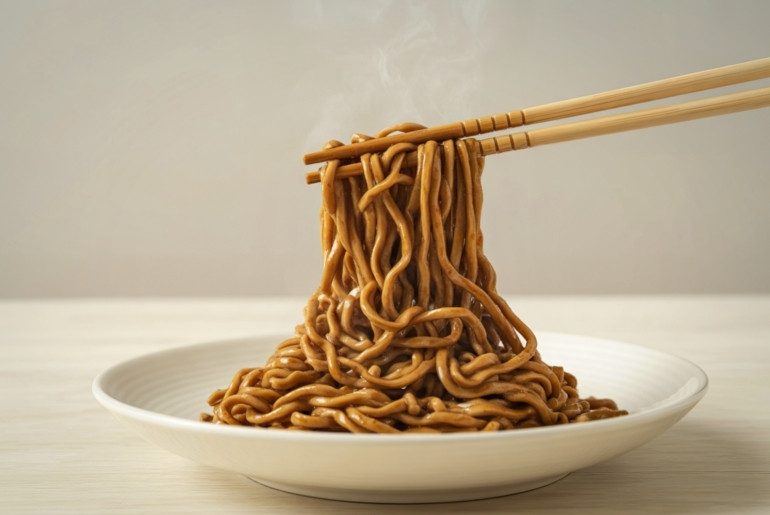
5. Longevity Noodles
These long noodles represent long life. Tradition says they should not be cut, because length equals longevity.
Also Read: From Dahi Chini To Longevity Noodles, How Food Across Cultures Is Linked To Good Luck
6. Lion’s Head Meatballs
Named for their shape, these meatballs symbolise strength, courage, and family warmth during the feast.
7. Steamed Pork Belly
Rich and celebratory, pork belly represents prosperity and fullness in a year with comfort and blessings.
8. Shrimp
Shrimp are linked with happiness and laughter, bringing a joyful tone to the new year table.
9. Chinese New Year Cake (Nian Gao)
Nian gao sounds like “higher year,” symbolising growth, promotion, and rising success.
10. Spring Rolls
Golden and crisp, spring rolls resemble gold bars, a direct symbol of wealth and fresh beginnings.
11. Sweet Rice Desserts
Sticky rice sweets represent togetherness and sweetness in life, wishing for harmonious relationships.
12. Oranges and Golden Fruits
Often displayed rather than eaten immediately, oranges symbolise luck and prosperity through their bright colour and auspicious sound.
Also Read: Valentine’s Day 2026: 22 Best Gifts To Make Your Valentine Feel Special This Year
Chinese New Year 2026 is not simply the start of another zodiac cycle, it is a festival of family and ancestry, noise and light, food and meaning, and this year, it arrives with the restless spirit of the Fire Horse. The question the Fire Horse year asks is, “What would you do if you stopped waiting?”
Cover Image Courtesy: hatiroyani/canvapro and my_ayim/canvapro
For more such snackable content, interesting discoveries and the latest updates on food, travel and experiences in your city, download the Curly Tales App. Download HERE. First Published: February 10, 2026 10:23 PM