
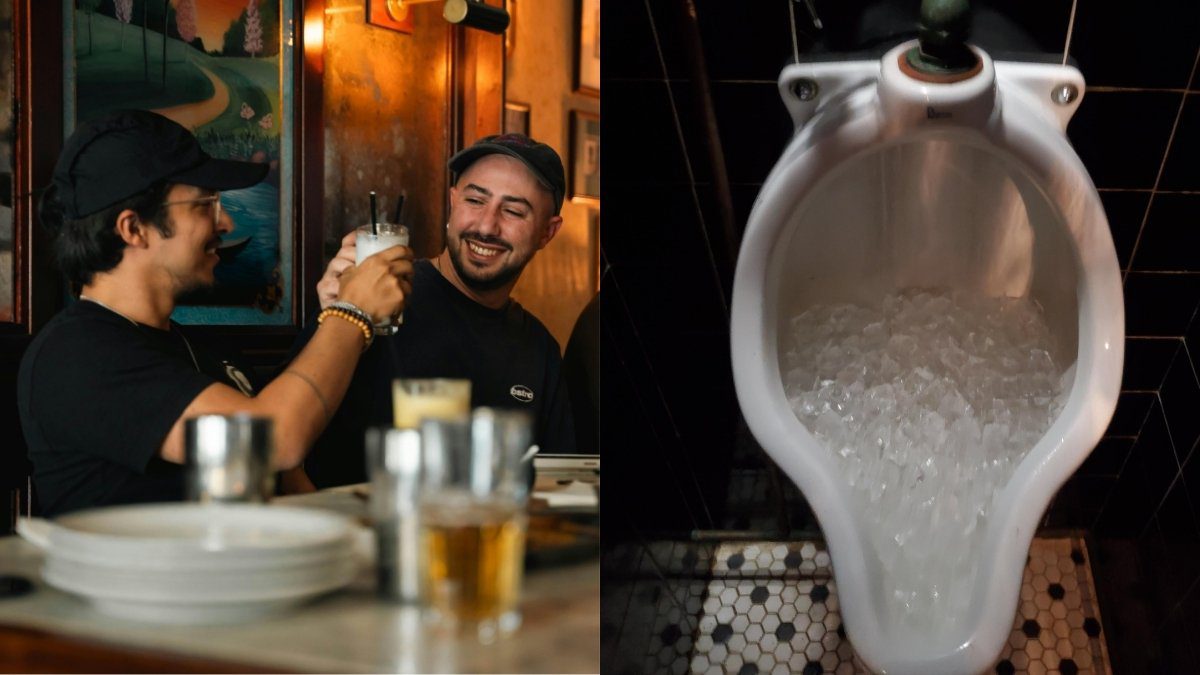


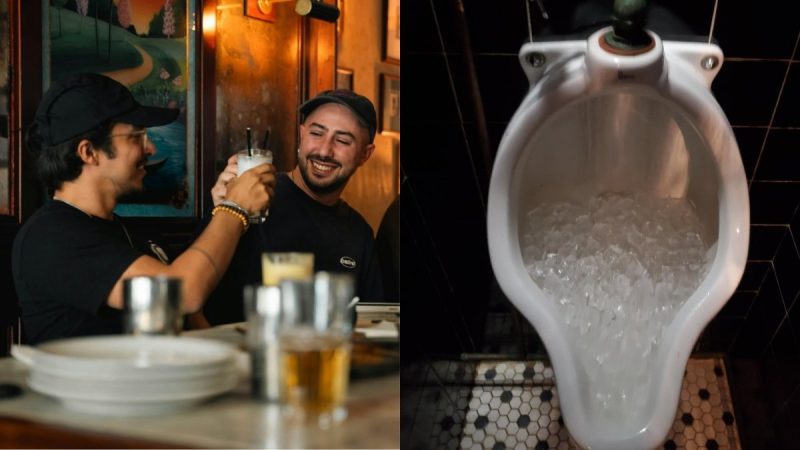
You usually notice mid-stride that a metal trough or porcelain bowl is filled, not with water, but with ice cubes, the same kind that chilled someone’s gin and tonic minutes earlier. It looks wasteful, theatrical or like a bartender’s inside joke. Spoiler alert: It isn’t. In high-volume pubs, especially older ones where plumbing wasn’t designed for 300 people, ice is a working tool.
Ice In Urinals In Pubs–But Why?
Let’s start with the smell, because that’s where most restroom complaints begin. Urine doesn’t smell that strong immediately. The sharper odour develops as urea breaks down into ammonia. Heat accelerates that reaction and with warm liquid, warm air, and poor ventilation, the chemistry moves faster. Ice interrupts that chain. Drop the temperature and you slow ammonia volatilisation, meaning fewer odour molecules rise into the air at once. It doesn’t “eliminate” smell; it slows its broadcast.
Temperature also affects bacteria. Microbes help intensify odour as they metabolise organic compounds. Cooling the surface doesn’t sterilise anything, but it does temporarily suppress microbial activity. In a setting where usage is constant and cleaning can’t happen every fifteen minutes, slowing reaction speed makes a difference.
Then there’s physics. When a liquid stream hits a flat ceramic, splashback is inevitable. Tiny droplets bounce outward, some land on the tile while some aerosolise and settle elsewhere. Ice disrupts that impact, as the cubes break the stream into fragmented flows, reducing outward spray and limiting micro-droplet formation. Less aerosol spread means less surface contamination and less lingering odour in the air.
Also Read: From ₹1.3 Lakh Date To A 30-People Dinner Party, Here’s How India Celebrated Valentine’s Day
All You Need To Know
The melting isn’t incidental either. As ice turns to water, it creates a slow and continuous rinse. In venues without reliable automatic flush systems, or in older buildings where water pressure fluctuates, that steady melt helps move waste toward the drain. It also supports the plumbing trap, the water seal that blocks sewer gases from rising back into the room. In high-traffic restrooms, that seal can thin out faster than people realise and meltwater quietly reinforces it.
There’s even a mechanical detail most people miss. The temperature contrast between warm liquid and cold ice can help loosen thin protein films that cling to porcelain over time. Combined with the gentle rinse from melting cubes, which reduces buildup until a proper cleaning happens after closing.
Now, add human behaviour! Alcohol affects coordination and dim lighting doesn’t help. Provide a visible focal point, something bright, textured, and slightly dynamic, and aim improves without anyone being told to “be careful.” Facilities managers in nightlife districts have long noted that restrooms with ice often require fewer mid-shift mopping interventions, just subtle environmental design doing its job.
And yes, there’s an operational angle. Bars generate surplus ice constantly: chipped trays, partially melted batches, and excess from service wells. Throwing it away is a waste and using it in urinals repurposes it without additional cost. Compared to deodoriser cakes, which mask smell with fragrance and sometimes dry out plumbing seals, ice works through temperature and dilution alone.
None of this replaces proper sanitation, though. Ice doesn’t disinfect, it doesn’t deep clean, it merely buys time and slows processes that would otherwise accelerate under heat, humidity, and heavy use.
Also Read: ₹130 Drinks, Mocktails For Breakfast & Pub Hopping In BANGALORE with Iti Acharya
What looks like a quirky nightlife ritual is really a layered response to chemistry, plumbing, fluid dynamics, and human behaviour, shaped by bartenders and facilities staff who learned what works during a Saturday rush. Sometimes the most effective systems aren’t high-tech, they’re cold, temporary, and subtly practical.
Cover Image Courtesy: viridianarivera/canvapro and mildlyinteresting/reddit
For more such snackable content, interesting discoveries and the latest updates on food, travel and experiences in your city, download the Curly Tales App. Download HERE. First Published: February 24, 2026 1:23 PMFAQs
Why do bars put ice in urinals?
Bars use ice to reduce odour, limit splashback, and support drainage during high-traffic hours.
Is this done in all bars?
No. It’s more common in high-volume pubs or older buildings where ventilation and plumbing systems are under pressure.