
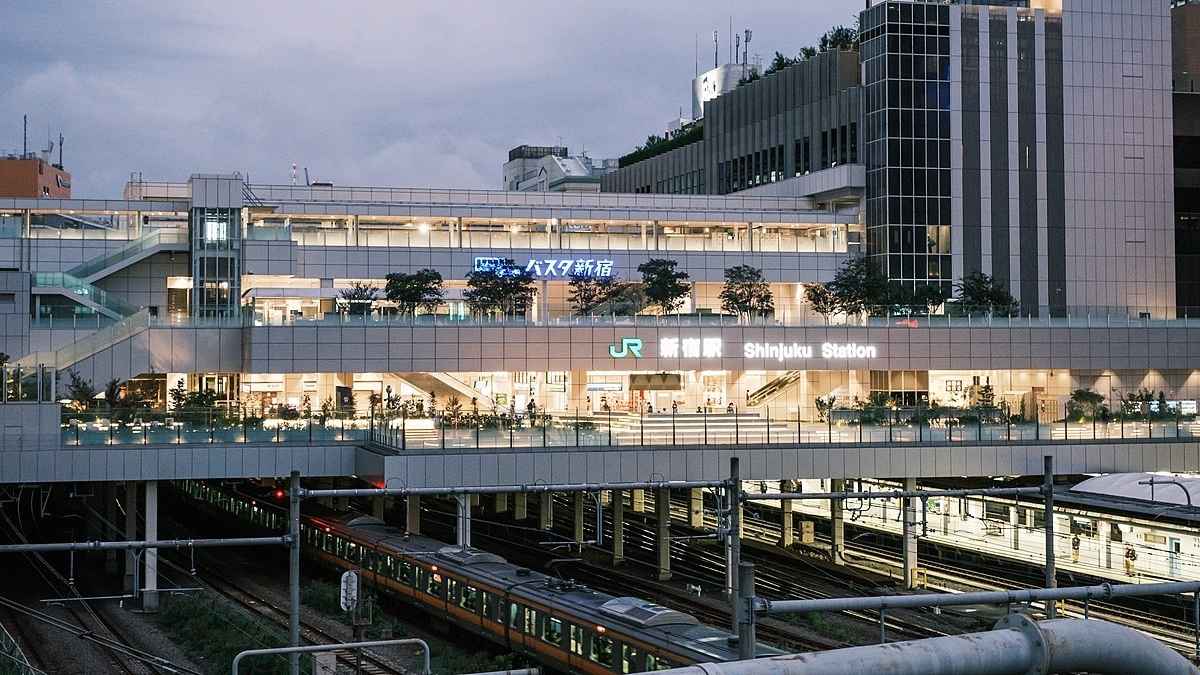



Railway stations are the heart of any city, serving as a crucial mode of transport that is both affordable and convenient. In India, the busiest stations are often in Delhi or Mumbai, but the world’s busiest railway station is not in India—it is in Japan, and you’ll be shocked to know the size of the crowd this railway station witnesses. Scroll down for more details.
World’s Busiest Railway Station
1. Japan Railway Station
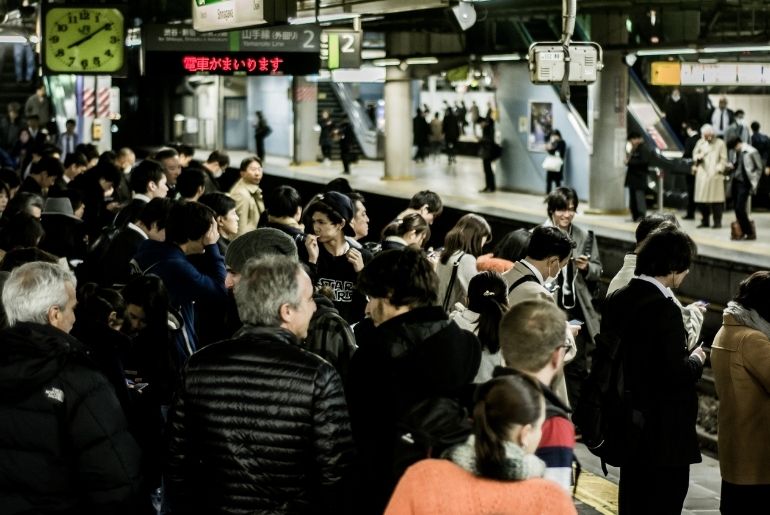
Shinjuku Station, located in Tokyo, Japan, is officially the busiest railway station in the world. Every day, roughly 3.8 million people pass through its gates. The station is always full of energy, with crowds of commuters, tourists, and locals moving in every direction.
Also Read: Japan Has A Hidden Souvenir In Every Train Station, And It Won’t Cost You A Yen!
2. It’s Like A Mini-City
This railway station has 36 platforms and trains keep arriving almost every second. But it’s much more than just a transport hub. Inside, you’ll find shopping centres, department stores, underground passages, and even smaller satellite stations. It’s like a mini city where people can shop, eat, or just explore while moving between trains, making it a unique experience.
3. Entrances And Exits
Shinjuku Station has over 200 entrances and exits, making it easy for people to enter and leave from different sides. The main ticket gates are at the east, south, new south, and west sides. Many commuters use it as a transfer point to move across Tokyo, which is why it often feels like a bustling city on its own, never quiet or empty.
4. Guinness World Record Holder
The station’s incredible scale and passenger volume have earned it a place in the Guinness World Records. Every year, around 1.27 billion passengers travel through Shinjuku Station. Its multiple platforms and carefully designed layout help manage the huge crowds efficiently, but even with the planning, it’s always busy and buzzing with life, a true symbol of Tokyo’s energy.
Thanks to its north-south alignment and links to many train lines, Shinjuku Station is a key part of Tokyo’s transport network. It’s not just for getting around—commuters, tourists, and locals also flock here for shopping, dining, and entertainment.
Also Read: Did You Know Germany Has An Upside Down Train Thats Been Running For 124 Years?
Cover Image Courtesy: Wikimedia Commons/ Real Estate Japan