
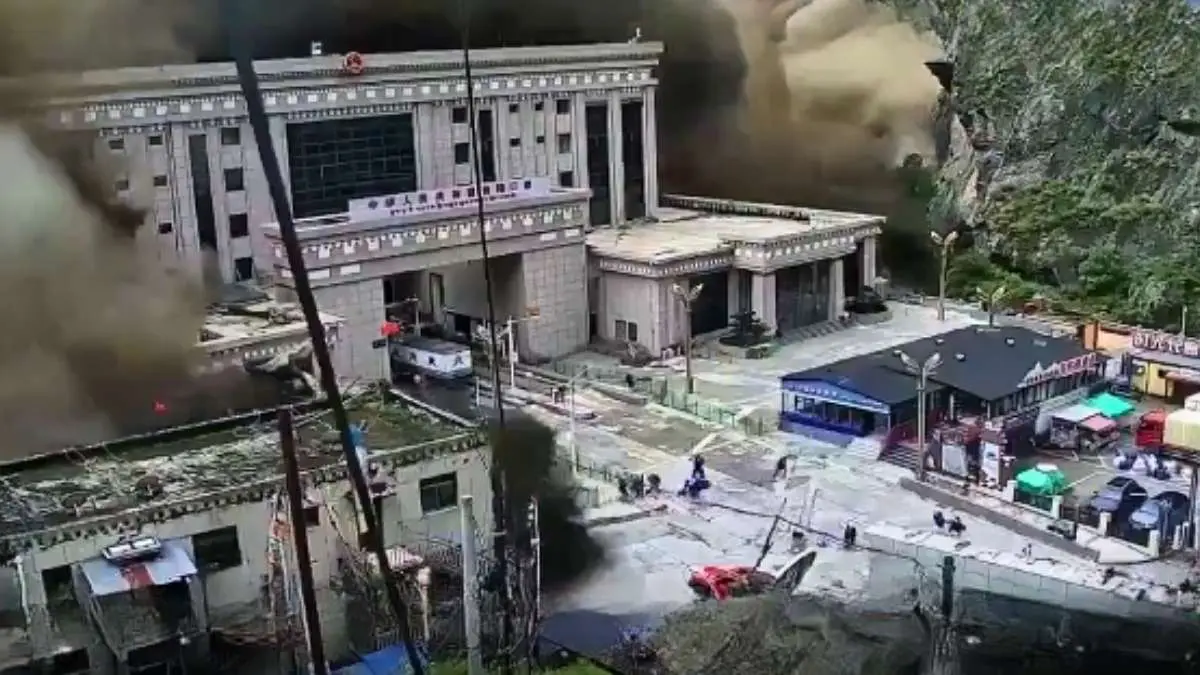



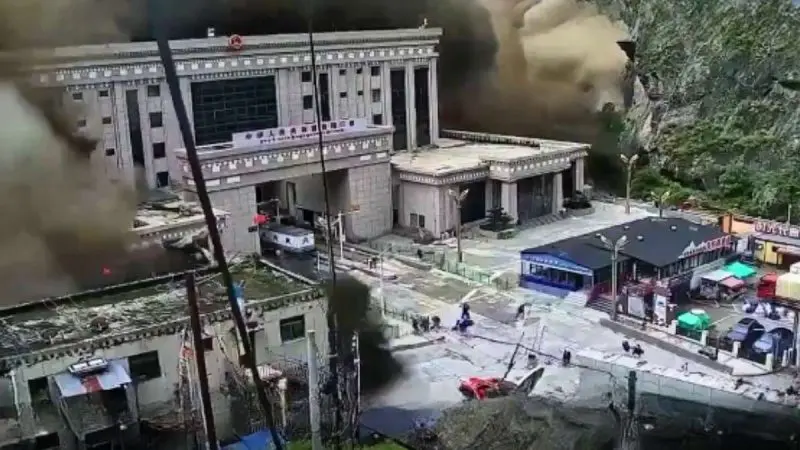
The flash floods in Nepal have raised concerns over the Kailash Mansarovar Yatra, with several Indian pilgrims among those reported missing after the disaster struck the Nepal-Tibet border region. The floods swept through parts of Rasuwa district, damaging roads, bridges and other infrastructure along a route used by pilgrims travelling towards Mount Kailash. Scroll on to know how the floods have affected the much-awaited yatra.
Why Is Nepal Important For The Kailash Mansarovar Yatra?
According to NDTV, while the government-organised Kailash Mansarovar Yatra for 2026 has already concluded, hundreds of Indian pilgrims also undertake the pilgrimage through private operators using routes via Nepal. This makes the latest floods particularly significant for those travelling through the country or planning the pilgrimage in the future.
The Kailash Mansarovar Yatra takes pilgrims to Mount Kailash and Lake Mansarovar in Tibet, both of which hold deep religious significance. While the Ministry of External Affairs organises the pilgrimage through the Lipulekh Pass in Uttarakhand and Nathu La in Sikkim, private operators also take pilgrims through Nepal, with Kathmandu serving as an important staging point.
This year, 1,000 Indian pilgrims were selected for the official government-organised yatra, with 941 eventually completing the journey. Of these, 464 travelled through Nathu La and 477 through Lipulekh.
Also Read: Nepal Floods: 2 Indian Regions Under Flood Alert; NDRF Teams On Standby For Emergencies
How Will The Nepal Floods Impact The Yatra?
According to reports, the immediate concern of pilgrims at the Kailash Mansarovar Yatra is access and safety. The flash floods have severely damaged roads, bridges and other infrastructure in Rasuwa, an important area along the Nepal-Tibet route. Communication networks have also been disrupted, making it difficult to establish contact with people in the affected areas.
This was the checkpoint that one has to cross during the Kailash Mansarovar Yatra pic.twitter.com/5fpSbBagbX
— Mishraji 🚩🚩😎 (@R_Mishraji) August 26, 2026
For pilgrims currently travelling through Nepal, this could mean delays, route changes or temporary suspension of onward travel until authorities confirm that roads and border routes are safe. Rescue and relief operations are currently the priority in the affected region.
The situation also means that anyone planning a Kailash Mansarovar pilgrimage through Nepal should closely monitor official advisories before beginning the journey, rather than relying solely on travel operators or previously announced schedules.
Also Read: Nepal Floods: Indian Embassies Issue Helpline Numbers & Advisories As 133 Indians Go Missing
What Should Kailash Mansarovar Pilgrims Know?
Mount Kailash stands at around 6,638 metres, while Lake Mansarovar is located at roughly 4,590 metres above sea level. Extreme weather, high altitude and difficult terrain already make acclimatisation and medical preparedness important parts of the journey.
With the latest floods damaging key infrastructure, pilgrims planning to travel through Nepal should:
Check the latest advisories from Indian and Nepali authorities before travelling.
Confirm the status of roads, border crossings and permits with their authorised operator.
Keep emergency contacts and copies of important travel documents handy.
Avoid attempting to travel through affected areas independently.
Be prepared for delays or changes to the itinerary if weather or road conditions deteriorate.
Also Read: Nepal Flash Floods: 8 Dead, 105 Indians Missing As Overflowing Water Washes Away Villages
For now, the focus remains on locating missing people and restoring access in the flood-hit region.
Cover Image Courtesy: X/R_Mishraji
FAQs
Are Kailash Mansarovar pilgrims affected by the Nepal floods?
Several pilgrims travelling through Nepal have reportedly been affected, with hundreds of travellers remaining out of contact following the floods.
Why is Nepal important for the Kailash Mansarovar Yatra?
Nepal is an important route for pilgrims travelling to Mount Kailash and Lake Mansarovar in Tibet, particularly for those undertaking the pilgrimage through private operators.
Which areas of Nepal have been affected by the floods?
The flash floods have particularly affected areas along the Nepal-Tibet border, including Rasuwa district, disrupting roads, bridges and communication networks.


