
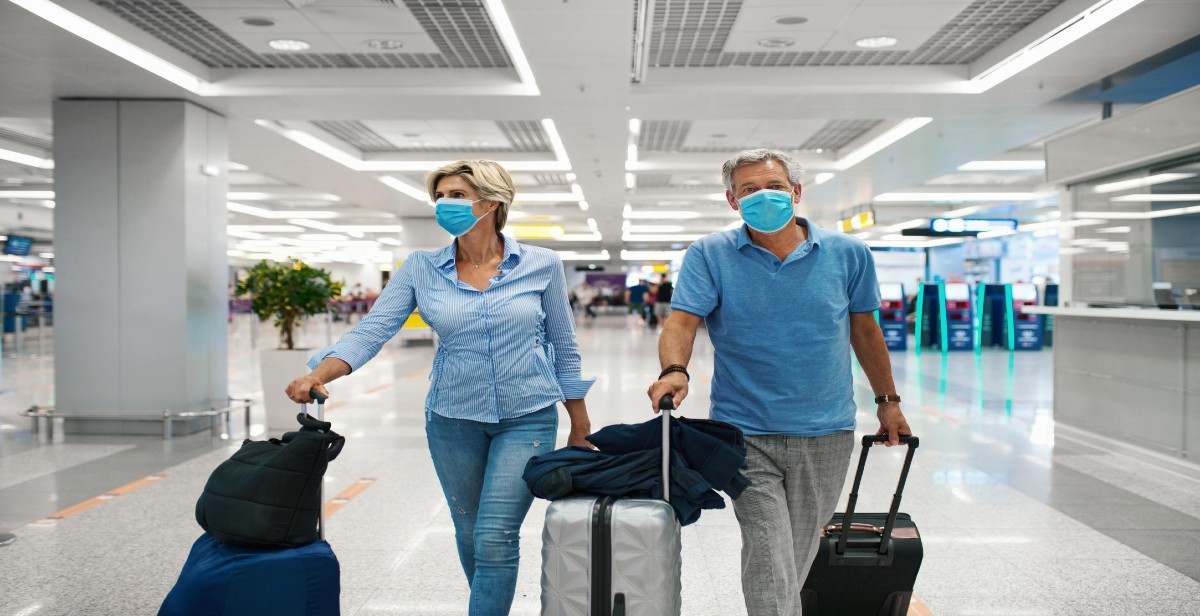



The airline sector is starting to recover now that more people are completely vaccinated against COVID-19. When it comes to leisure travel, this is especially true. However, with the increase in travel, many people are worried about how to do it safely. This includes concerns about whether or not they should quarantine before or after their trip. Included are questions about when travellers should consider quarantining, how long they should quarantine for, and the most effective means to do so.
Who Should Quarantine?
Before going on a trip, one should conduct thorough research. What are the requirements for testing and quarantine? For both the airline you’ll be flying with and the destination you’ll be visiting. This is especially true while travelling internationally. Because many destinations still have required quarantine periods and testing in place. In addition, the CDC’s Trusted Source is the best source to learn about quarantine rules in your destination. Before making your reservation, check out the latest guidelines from the Centers for Disease Control and Prevention. It’s a good idea to keep an eye on COVID figures as they change. For one thing, ravel advice can and does change on a frequent basis. On arrival, certain countries may even require you to self-isolate or restrict your travel.

Also Read: Travelling Abroad? Get Your COVID-19 Vaccine Second Dose Sooner If You Meet These Criteria
People who are fully vaccinated or who have recovered with COVID-19 within the last three months, according to the CDC Guidance Trusted Source, do not need to quarantine the following travel. Even if they’ve been in contact with someone infected with COVID-19 in the previous 14 days. If you work in healthcare, though, this advice may differ. The CDC suggests taking a test 1 to 3 days before departure if you are not completely vaccinated. When travelling, take precautions such as wearing a mask, keeping a safe distance, using a hand sanitiser, and washing your hands frequently. It is recommended that you take another test within 3 to 5 days of returning home and self-quarantine for 7 days. Even if you test negative, you should complete the entire 7-day regimen. Those who refuse to get tested should be quarantined for ten days. In addition, regardless of whether you were tested, you should avoid those who are at high risk of serious disease from COVID-19 for 14 days.
Also Read: Do You Need A COVID Booster To Travel Abroad This Winter? Here’s Everything To Know
How Do You Go About Quarantining?
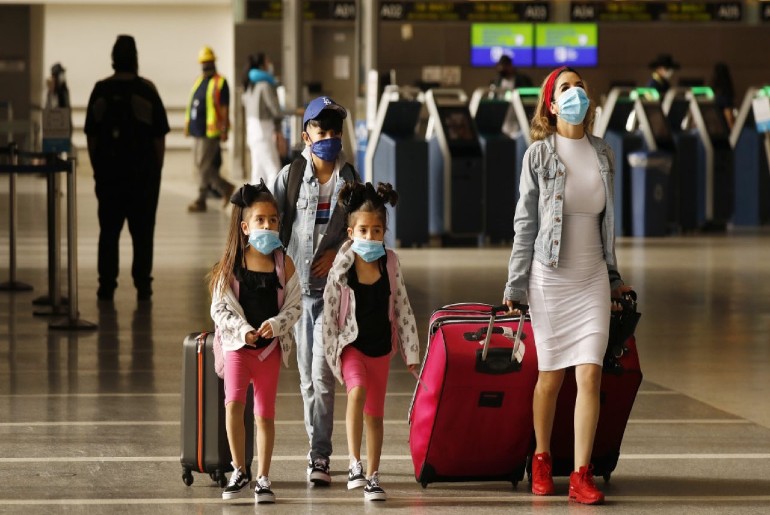
Staying at home and attentively monitoring your symptoms is what quarantining entails. If you live with others, strive to keep as much distance as possible between you and them. Especially if there isn’t anyone in your household who hasn’t been vaccinated. Alternatively, you could be at significant risk of COVID-19 problems. Coronaviruses can take up to 14 days to mature. To genuinely quarantine children, you’d have to keep them out of school for that long. If you’re travelling with youngsters, this is especially important. Furthermore, whether you travel by air or bus, they may be exposed in transit before you get to your destination. You should keep a close eye on your child’s symptoms before taking him or her on a trip. sly. A COVID-19 test, in addition to symptom monitoring and masking, can provide an extra level of assurance. At the time of travel, an unvaccinated child is not infected with COVID-19. It’s possible that the test will be a PCR or a fast antigen test. It is important to remember that it must be obtained prior to travel.
FAQs
Who Should Quarantine?
For both the airline on which you’ll be flying and the location to which you are travelling. This particularly applies to international travel. Since there are many destinations where mandatory quarantine periods and testing are still in effect.
How Do You Go About Quarantining?
Quarantining involves staying at home and closely monitoring your symptoms. If you live with other people, try to distance yourself from them as much as possible. Especially if anyone in your home is not vaccinated. Or even at high risk of COVID-19 complications. The coronavirus maturation period can be up to 14 days. You would need to keep children out of school for that length of time to truly quarantine them. Again, if you're at all travelling with children.
