

If your Instagram feed is suddenly full of throwback photos, awkward haircuts, college memories and “can’t believe this was 10 years ago” captions, you’re not alone. The viral “2026 is the new 2016” trend has sent everyone spiralling into nostalgia. While most people are revisiting how they looked back then, we decided to rewind the clock and ask a different question: what did India’s food scene look like in 2016?
The Food Trends That Made 2016 An Iconic Year
2016 wasn’t just another year. It was a turning point. It was a year when food became more visual, more experimental, more global, and slowly, more Indian again. We spoke to chefs, restaurant founders, culinary leaders and our editorial team to piece together what truly defined that era. These weren’t just trends; they were moments that shaped how we eat today.
Here’s what India was really eating, drinking and obsessing over in 2016.
1. Food Became Visual Before It Became Emotional
By 2016, food was no longer just about flavour. It was about how it looked, how it arrived at the table, and how it performed on camera. Plates grew taller, colours brighter, and presentations more dramatic. This was the year when diners started seeing their food before tasting it.
According to Chef Shantanu Mehrotra, Executive Chef at Indian Accent, New Delhi, social media was already influencing how people experienced food. “Presentation took centre stage, and molecular gastronomy had truly come into its own,” he recalls.
This shift also changed dining behaviour. As Chef Yuvraj Kohli, CEO & Culinary Director at Moti Mahal Delux and Bobachee, puts it, “2016 was the year food became a conversation.” Meals extended beyond the table into Instagram stories, group chats and memory reels. Mestizo’s Chef Deepak shares, “In 2016, trends like gourmet street food, global comfort dishes, and Instagram-led dining shaped how people ate.”
2. Rolled Ice Creams, Freakshakes & Dessert Excess
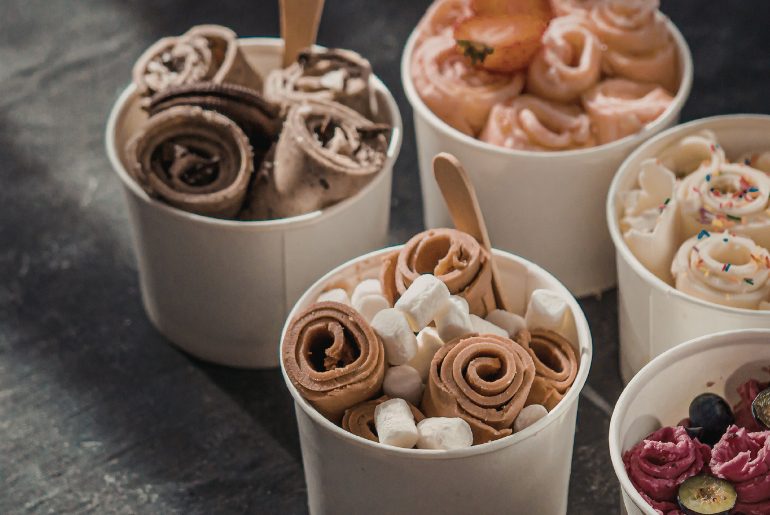
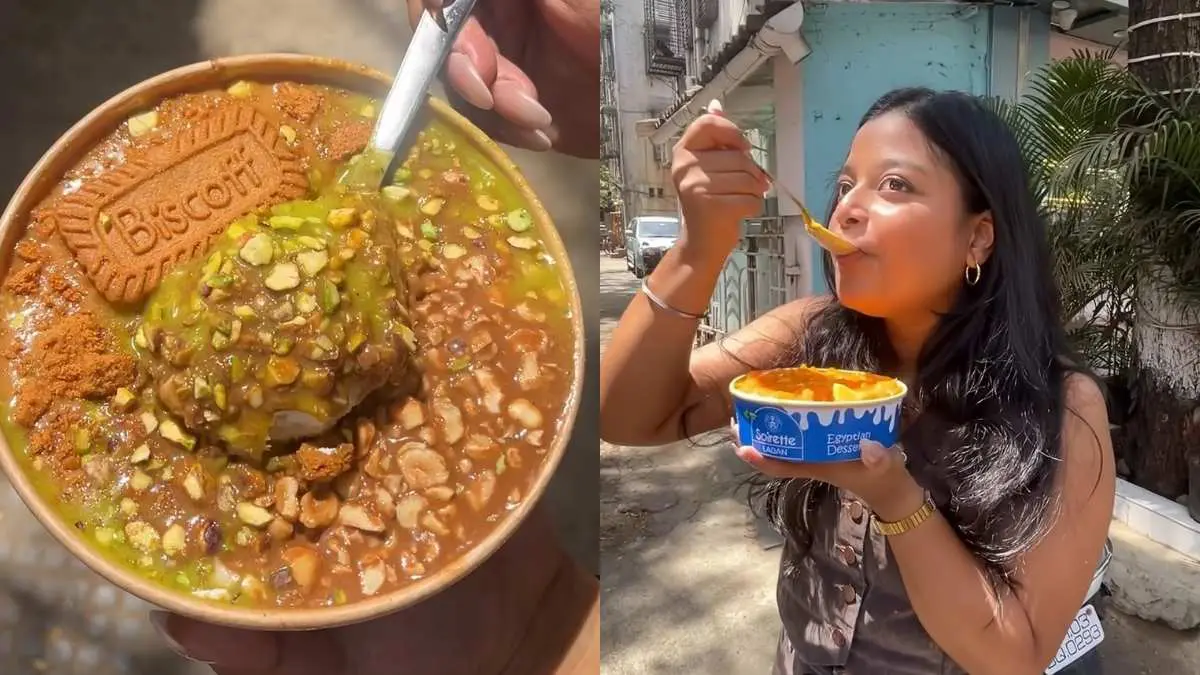
If there’s one thing people instantly remember about 2016, it’s the desserts. This was the era of rolled ice creams scraped live on frozen plates, freakshakes stacked with brownies and doughnuts, rainbow bagels, cruffins, and desserts that felt physically impossible to finish.
Tashika, Sub-Editor, Curly Tales, remembers cafes across Delhi-NCR competing to create the wildest shakes imaginable, while Kartikeya Ratan, Executive Chef at Perch Wine & Coffee Bar, recalls “the era of rainbow bagels, Dominique Ansel-inspired cruffins and monster shakes.” Calories didn’t matter, and neither did balance. Looking back, it was chaotic, over-the-top and a little ridiculous, but also joyful. Food felt playful in a way it doesn’t always feel today.
3. Fusion Food Was The Default Language
In 2016, Indian food was constantly being paired with global flavours, sometimes thoughtfully, sometimes wildly. The intention was clear: Indian cuisine was trying to prove it could be modern, global and experimental. Menus were filled with mash-ups that blended Indian spices with Southeast Asian broths, Western formats or East Asian techniques.
Tarun Sibal, Chef and Co-Founder of Titlie Goa, remembers combinations like “patrani macchi with tom kha or galouti kebab sliders” becoming crowd favourites.
Meanwhile, Rajan and Deepika Sethi of Bright Hospitality describe 2016 as the year Indian food was trying hard to be modern, sometimes too hard. There was also a belief that traditional Indian food needed a twist to feel exciting. Familiar flavours were reworked, re-plated and re-presented to suit contemporary dining spaces.
4. Regional Indian Cuisine Began Reclaiming Space
Even while fusion dominated menus, something important was happening in the background. Chefs were slowly starting to look inward, towards regional Indian cuisines that had long been ignored in mainstream dining.
Imported ingredients, once seen as markers of luxury, began losing their shine. Instead, local produce, indigenous vegetables, regional fish and forgotten grains started appearing on menus. Vedant Newatia, Founder and Head Chef, Atelier V & Masala Code, noted, “Chefs slowly began revisiting regional food without modernising it beyond recognition.”
Chef Vignesh Ramachandran, Chef & Partner at Theta Theta Telugu, notes that ingredients like kathal, murrel and ladyfish began appearing on menus, while cuisines like Malabar, Chettinad and Mangalorean cooking finally started receiving attention.
5. Authenticity Was Still Defensive
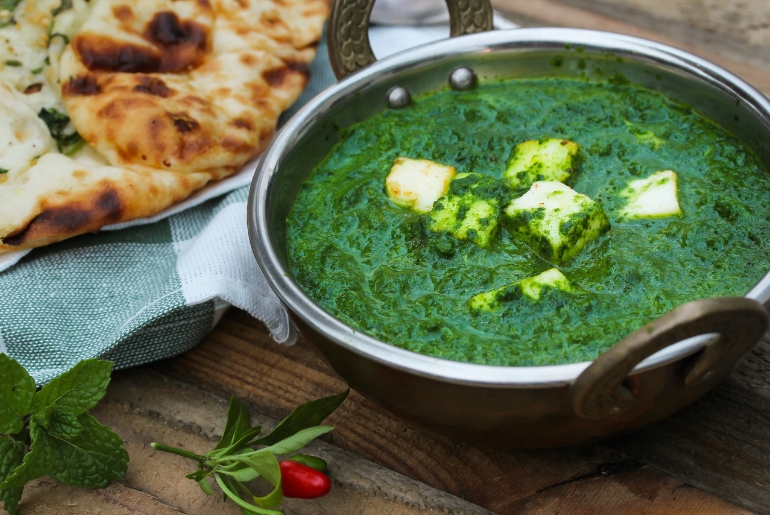
In 2016, cooking traditional food confidently wasn’t easy. Regional cuisine was often seen as too niche or not “elevated” enough. Rajan and Deepika Sethi capture this perfectly: “In 2016, authenticity felt defensive, like you had to justify why you weren’t doing fusion.”
Restaurants hesitated to serve food “as is.” There was still a belief that grandmother’s recipes needed a twist to matter. Looking back, this tension makes today’s unapologetic regional pride feel even more significant.
6. Open-Fire Cooking Was Radical, Not Romantic
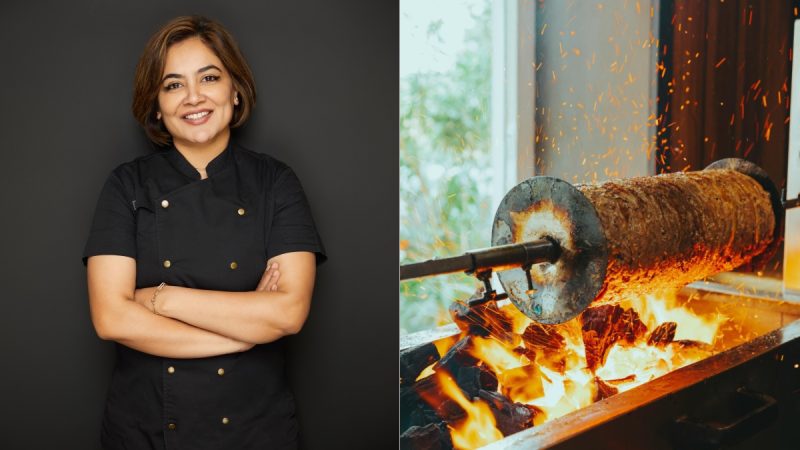
Today, open-fire kitchens are celebrated. In 2016, they were questioned. Chef Amninder Sandhu, Founder of Barbet and Pals, remembers how misunderstood fire-led cooking was. Open fire was seen as primitive, impractical, and even unprofessional. Kitchens had to be custom-built, workflows reimagined, and patience relearnt. “Cut to 2026,” she reflects, “and open-fire cooking is everywhere.”
Back then, choosing fire meant working without templates. Kitchens had to be designed from scratch. Cooking became instinctive rather than controlled. It was challenging, slow and often questioned. But it laid the groundwork for the open-fire renaissance we see across India today. MKT’s Chef Gunjit Chawla shares, “2016 was a turning point: live-fire cooking and slow techniques came back into focus.”
7. Molecular Gastronomy And Plate Complexity Ruled
If today’s food leans toward simplicity, 2016 leaned into complexity. Plates were elaborate, layered and technical. More elements meant more sophistication. Foams, gels and powders were common, and chefs eagerly experimented with new chemical products. There was a strong desire to push boundaries, to show technical skill, and to create something that felt cutting-edge.
Chef Vanshika Bhatia shares, “In 2016, modern gastronomy had its moment. Plating was being given a lot of importance. Handmade crockery was a thing that started then.
Chef Robbie, Head Chef at Japonico & Latango, recalls that “everyone wanted to become a lab chemical chef.”
Classic dishes were deconstructed and rebuilt, familiar flavours appearing in unfamiliar forms. Chef Parth Bajaj also notes, “In cities like Bombay, places such as The Bombay Canteen started trending, and molecular gastronomy began making its presence felt.”
8. Street Food Finally Went ‘Restaurant-Worthy’
2016 was when street food began its transformation into something “worthy” of restaurant menus. Chaat, kebabs, momos, kulfis and regional snacks were no longer confined to carts and stalls. This shift brought everyday flavours into dining spaces that previously favoured global cuisines.
Chef Manish Kumar, Executive Chef at Indy by Qla, notes that chefs were revisiting flavours they grew up with, presenting them with new confidence.
Street food stopped being “cheap food” and started becoming cultural food. Sumit Choudhary, Cluster Chef, Monkey Bar, also noted, “2016 also saw food becoming more aesthetic and flavour-forward, with bold profiles that leaned into spicy, smoky, and umami notes, alongside a revival of street food in more refined formats.”
Also Read: From Amritsar To Guwahati, 8 Best Bars In Tier 2 Cities Levelling Up India’s Cocktail Culture
9. Momos, Cafés & College-Era Comfort Food
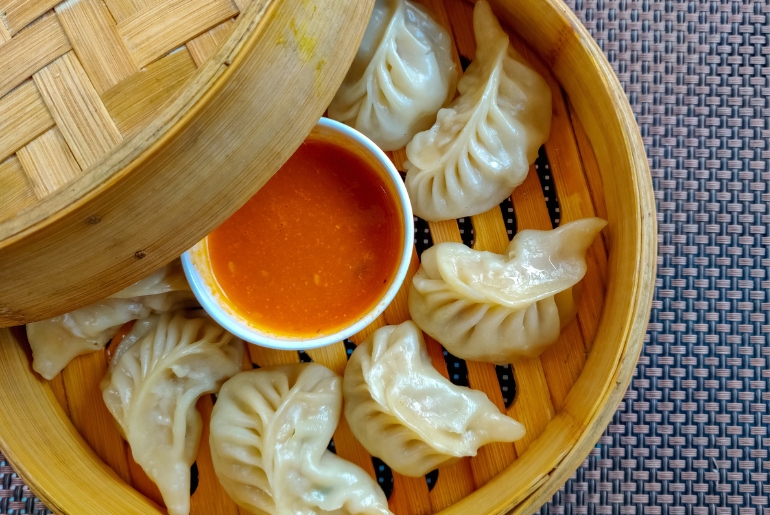
Beyond restaurants, everyday eating habits were changing too. Momos exploded across cities, becoming an overnight obsession. College canteens served instant pasta, bakeries sold patties and dry cakes, and Irish coffee became a café staple
Chef Parth Bajaj recalls momos becoming an overnight sensation, popping up on every street corner. Even college canteens played a role, as Ashmeet, Content Writer, Curly Tales, remembers 2-minute pasta packets, Irish coffee and bakery patties becoming everyday indulgences. These weren’t trends designed by chefs, they were shaped by young diners discovering independence through food.
10. Craft Beer & Gastropubs Changed Socialising
The way people socialised around food changed dramatically in 2016. Microbreweries, gastropubs and cafés became cultural hubs. Cities like Bengaluru, Mumbai and Delhi saw an explosion of casual dining spaces where people could spend hours working, meeting friends, or just hanging out.
Karan Upmanyu, Chef Partner at ParTTwo, remembers how spaces like Toit, The Biere Club and Monkey Bar set the tone for casual dining culture, while Tarun Sibal points out how craft beer and single-origin coffee surfaced in a big way.
11. Café Culture and App-Based Eating Took Off
Cafés stopped being occasional treats and became everyday spaces. People worked from cafés, held meetings there and ordered food online more often than ever. Ordering food online started feeling normal. Menus were relaxed, ingredient-driven and globally inspired. Dining became less formal and more lifestyle-oriented.
Sanjana, Chief Sub-Editor, recalls how platforms like FreshMenu and Social shaped Bengaluru’s food habits, making global cuisines accessible at the tap of a screen. This was the beginning of food as a lifestyle, not just nourishment.
12. Exotic Ingredients Felt Aspirational
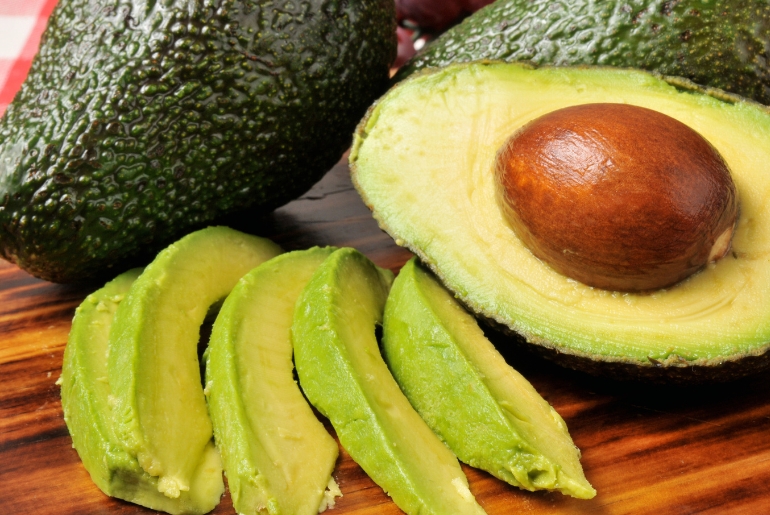
In 2016, ingredients like avocado, quinoa, edamame, asparagus, sourdough and cold brews felt exciting and aspirational. Gourmet retail stores began stocking produce that wasn’t easily available earlier. Knowing ingredient names became part of food literacy.
Bhaskar Chakraborty, Executive Pastry Chef at JW Marriott Kolkata, remembers 2016 as the era of grand buffets and live kitchens showcasing global ingredients. Gourmet retail grew, and knowing ingredient names became a form of cultural currency. “‘Hass’ became a conversation,” says Tarun Sibal. Chef Dhruv Oberoi, Executive Chef at The Grammar Room, notes, “Avocado, sourdough and fermentation became symbols of expression.”
13. Vegetarian And Conscious Eating Took Its First Steps
While plant-based eating is mainstream today, its roots can be traced back to 2016. Conversations around vegetarian, vegan and gluten-free diets were just beginning. It wasn’t about restriction yet, it was about curiosity and awareness.
Chef Om Nayank, Co-Founder of The Pasta Bowl Company and Bombay Meri Jaan, recalls the early rise of conscious eating, cleaner choices, vegetarian awareness and curiosity around plant-based diets.
People started paying attention to how food made them feel. Sumit Choudhary, Cluster Chef at Monkey Bar, adds that chefs began experimenting with fermentation, grilling and steaming, signalling a quieter shift toward mindful eating.
14. Dining Became Experience-Led And Social
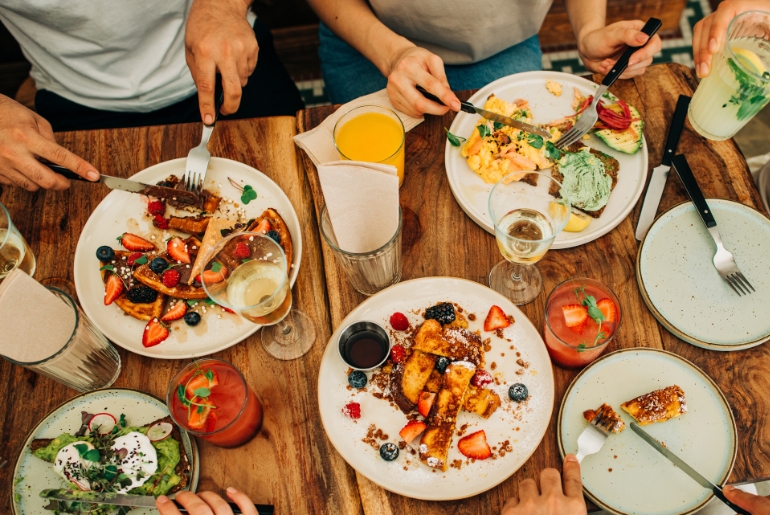
Food in 2016 wasn’t rushed. Brunches became events. Restaurants encouraged people to linger. Big spreads, shared plates and communal dining experiences gained popularity.
Chef Saravanan Palaniappan, Executive Chef at Sheraton Grand Chennai Resort & Spa, recalls how “the Grand Sunday Brunch became a cultural phenomenon,” with massive spreads and communal dining.
Similarly, Chef Shaurya Veer Kapoor, Executive Chef at Gola Sizzlers, remembers, “Food was indulgent, generous and celebratory. Restaurants were places to linger.” Dining out became something you planned around, not squeezed into your day. Restaurants were places where memories were made.
15. Chefs Became Faces, Not Just Names On Menus
Around this time, chefs stopped being invisible. They became storytellers, faces of restaurants, and cultural voices. Many began opening their own spaces, shaping menus around personal philosophies rather than trends. This shift changed how diners connected with food. Knowing the story behind a dish started mattering as much as the dish itself.
Naarma’s Chef Hilal Agca shares, “Chefs were blending global techniques with local ingredients, and diners were open to trying something new.” Stanley Chaoray, Executive Chef, Mira’s, shares, “2016 was when chefs began treating food as a visual and emotional experience.”
16. Bold Flavours & Swagger Defined The Mood
Above all, 2016 was confident. Food was bold, indulgent and expressive. It didn’t apologise for being rich, spicy or comforting. There was joy in excess and freedom in experimentation.
Chef Shaurya Veer Kapoor of Gola Sizzlers remembers an era where diners chased flavour, not restraint. Arvind Bharti, Corporate Chef at Farzi Café, puts it best: “2016 was when Indian food found its swagger, bold flavours, theatrical plating and unapologetic innovation.” And perhaps that’s why 2026 feels so familiar.
Looking back, 2016 was the year Indian food culture found its confidence. As Chef Ayush, Nukkad Cafe & Bar, believes, “What’s interesting today is how 2026 feels like 2016 again, where diners are rediscovering comfort, indulgence, and flavour.” In many ways, as 2026 unfolds, it’s clear why 2016 still feels so familiar.
Cover Image Courtesy: Supplied and Canva/Fakhri Baghirov
For more such snackable content, interesting discoveries and the latest updates on food, travel and experiences in your city, download the Curly Tales App. Download HERE. First Published: January 20, 2026 6:34 PM