

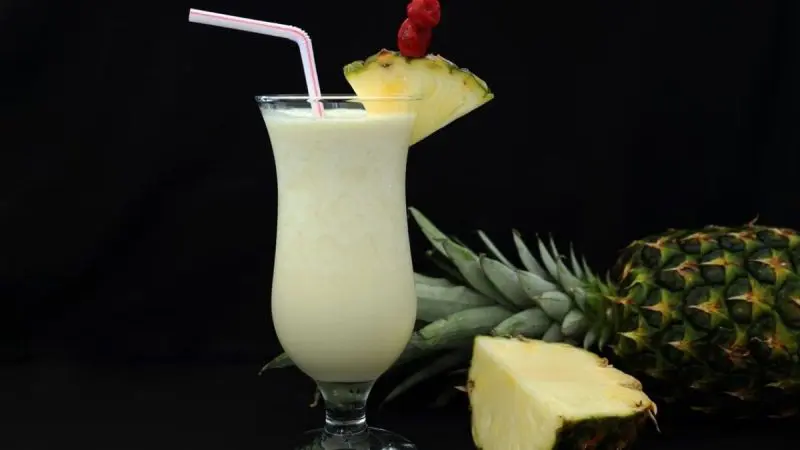
Creamy, refreshing, and instantly associated with beach holidays, the Piña Colada is much more than just a tropical cocktail. As the world celebrates Piña Colada Day today, there’s no better time to discover the fascinating history behind this iconic drink. Want to know how it all started? Read on!
The History Of Piña Colada
Made up of rum, coconut cream and pineapple juice, the Piña Colada has grown to be a symbol of Caribbean fun, summer vacations and tropical island life. While many different versions are served across the world today, its history can be dated back to Puerto Rico, where it was officially recognised as the country’s national drink in 1978.
The name Piña Colada literally means “strained pineapple” in Spanish. Long before the cocktail became famous, freshly strained pineapple juice was a favourite refreshment in Puerto Rico. Over time, bartenders began trying new things by combining them with locally made rum and sweet coconut cream, making the drink that would eventually become an international favourite.
The most widely recognised origin story dates back to 1954 at the Caribe Hilton Hotel in San Juan. Bartender Ramón “Monchito” Marrero was said to be challenged to create a signature drink that captured the flavours and spirit of Puerto Rico. After months of experimentation, he created a mix of white rum, coconut cream and fresh pineapple juice, putting it over crushed ice. The cocktail quickly became a hit with hotel guests and visiting tourists.
Also Read: World Bartender Day: We Asked Indian Bartenders If People Confide In Them Like In Movies
However, the Piña Colada’s past has long been controversial. Another Puerto Rican restaurant, Barrachina, also claimed to have created the cocktail in 1963 via bartender Ramón Portas Mingot. While both restaurants proudly celebrate their connection to the cocktail, Puerto Rico recognises both stories as part of its rich culinary heritage.
Piña Colada & Its Countless Variations
The drink’s popularity grew far beyond the Caribbean during the 1970s, driven by global tourism and growing interest in tropical cocktails. Its global fame rose to another level in 1979 with Rupert Holmes’ hit Escape (The Piña Colada Song), which helped to cement the cocktail’s place in pop culture.
Today, the Piña Colada is a favourite in countless variations. Some recipes use dark rum instead of white, while others are blended into frozen drinks or made without alcohol as a family-friendly drink. Fresh fruit, toasted coconut and even mango or passion fruit are often added to create modern twists on the classic.
Whether enjoyed by the beach, at a rooftop bar, or even made at home, the Piña Colada remains able to bring a taste of the tropics with every sip, proof that this island classic has truly stood the test of time.
Are you also a fan of Piña Colada?
Cover Image Courtesy: Pexels/ Shameel mukkath
FAQs
Is piña colada very alcoholic?
A traditional Piña Colada isn't considered "very" alcoholic on its own, typically sitting around a 13% ABV.