

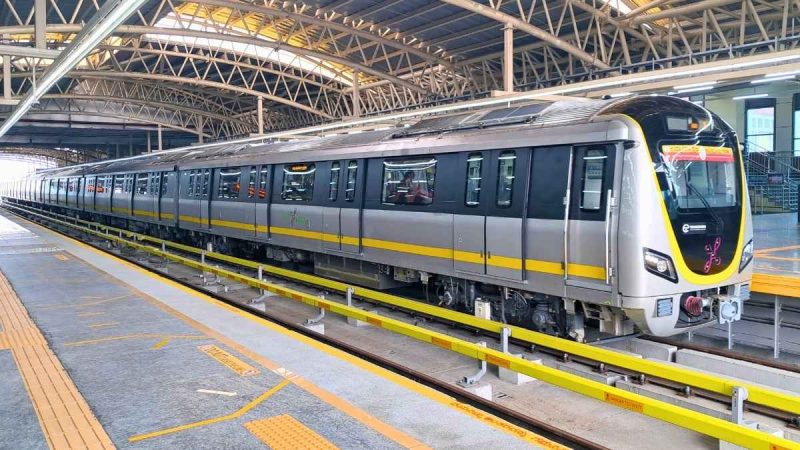
Bengaluru may be known for its traffic woes, but even choosing the metro to escape the city’s notorious congestion can come with a price. According to a recent analysis, a commuter may need to earn around ₹70,000 a month to comfortably afford a daily Namma Metro commute.
Why Does Bengaluru Metro Cost More?
A detailed comparison by The Hindu looked at the cost of travelling by metro and other urban rail systems across major Indian cities, including Delhi, Mumbai, Chennai and Kolkata. Bengaluru emerged as one of the costlier options when the monthly commute is measured against a commuter’s income.
For the calculation, the analysis considered a 15-km one-way commute, along with around 2 km of last-mile travel at either end. This puts the estimated monthly commuting cost at approximately ₹3,520 for a Namma Metro user travelling 22 working days a month.
Using a 5% income benchmark for commuting expenses, the analysis arrives at a monthly take-home salary of roughly ₹70,400.
Of course, this is based on certain assumptions and doesn’t mean every Bengaluru resident needs to earn ₹70,000 to use the metro. Your actual expenses will depend on the distance you travel, the number of days you commute and how much you spend on getting to and from the station.
Also Read: Mumbai Metro 3 Commuters, Take Note! 45 And 60-Trip Passes Get 15 Extra Days
Bengaluru Vs Other Major Cities
The difference becomes more interesting when Bengaluru is compared with other major cities.
For a comparable daily commute, the estimated monthly cost comes to around ₹2,772 in Delhi, ₹2,200 in Chennai, ₹1,980 in Mumbai and ₹1,760 in Kolkata.
One reason Mumbai and Kolkata can offer cheaper rail-based commuting is their extensive suburban railway networks, which have existed for decades and can be combined with metro services. Bengaluru’s urban rail network, meanwhile, is much newer and continues to expand.
Here’s Why Commuters Need Bengaluru Metro
While Namma Metro may cost more than some other city rail networks, there is another factor that makes it attractive to Bengaluru commuters: time.
Anyone who has spent hours stuck in Bengaluru traffic knows why a predictable commute can be worth paying for. The metro can offer a more reliable journey, particularly for people travelling long distances to work.
And when compared with other road-based options, the metro still comes across as relatively economical. The analysis estimates that a similar 15-km daily commute by autorickshaw could cost more than ₹14,000 a month, while app-based cabs and other options can also add up quickly.
So, while ₹70,000 may sound like a surprisingly high salary requirement for something as basic as getting to work, the calculation is really about how much of your income goes towards commuting.
Also Read: Delhi Metro Golden Line: First 8.4-Km Stretch Between Tughlaqabad-Sangam Vihar To Open This December
Let us know your thoughts on this in the comments.
Cover Image Courtesy: Wikimedia Commons
FAQs
Is Namma Metro more expensive than metros in other Indian cities?
The comparison looked at commuting costs across cities including Delhi, Mumbai, Chennai and Kolkata, with Bengaluru emerging as one of the costlier options when the expense is considered as a share of income.
How much does a daily Namma Metro commute cost?
For the commute scenario considered in the comparison, the estimated monthly Namma Metro expense was around ₹3,520 for 22 working days.
Which Indian city has the cheapest rail commute among those compared?
The comparison included Delhi, Mumbai, Chennai and Kolkata, along with Bengaluru. The estimated costs vary depending on the distance and transport system considered.