
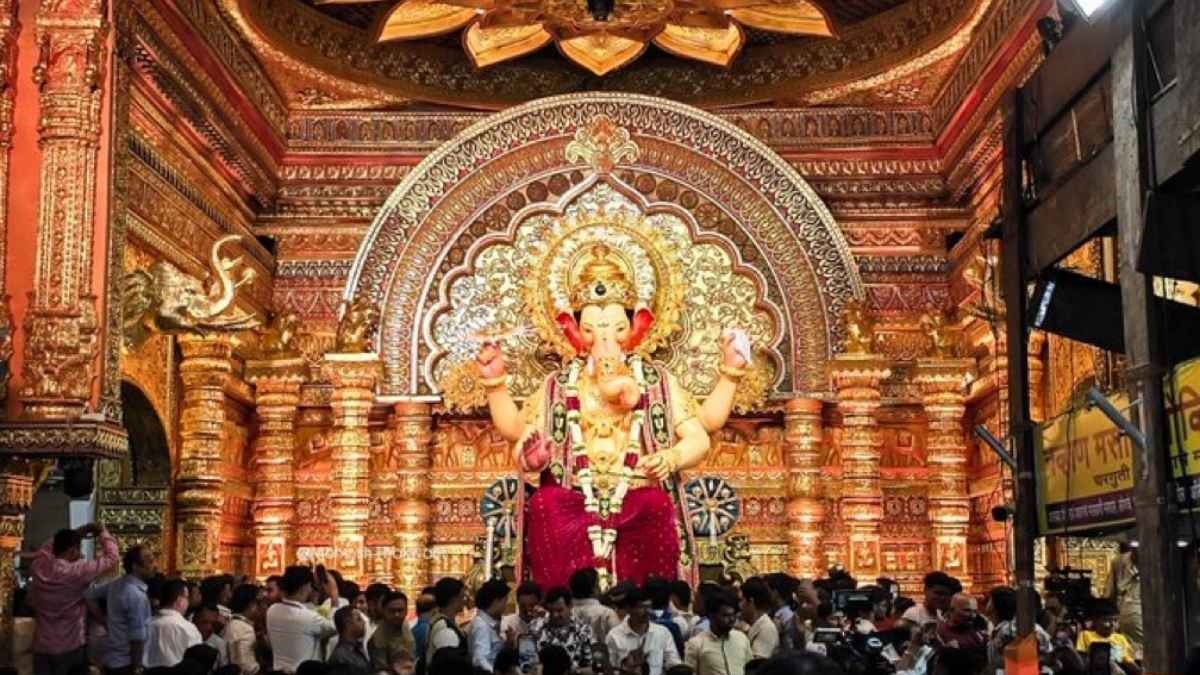


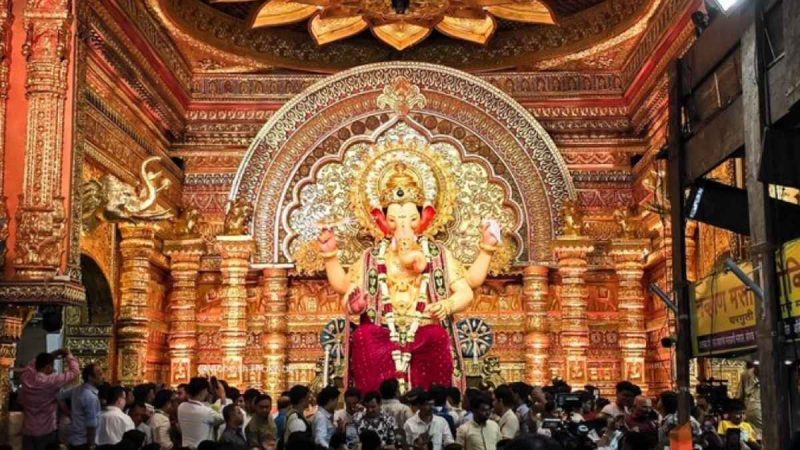
For anyone visiting Lalbaugcha Raja for the first time, the biggest question may not be “How do I reach the pandal?” It may be, “Which queue do I join?” Look around during Ganesh Chaturthi, and you will see separate crowds moving towards Mukh Darshan and Navsacha Darshan. Both lead devotees to Lalbaugcha Raja, but they are not the same experience. The difference comes down to how close you can get to Bappa and, in the case of Navsacha Darshan, the long-standing tradition of making a navas.
Ganesh Chaturthi: Lalbaugcha Raja And The Tradition Of Navas
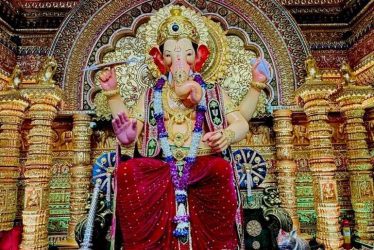
The Lalbaugcha Raja Sarvajanik Ganeshotsav Mandal was established in 1934 in Mumbai’s Lalbaug area. Over the decades, its Ganpati idol became closely associated with devotees who come with wishes, promises and vows. A navas is a vow made before a deity. A devotee may pray for something important and promise to return or perform a particular act of worship if the wish is fulfilled. Lalbaugcha Raja consequently became known as a Ganpati to whom devotees bring their mannats and, later, return to express their gratitude.
That history explains why the word ‘Navsacha’ is so closely attached to the darshan experience. It is also why a visit to Lalbaugcha Raja can mean very different things to different people. For one person, it may be their annual Ganpati tradition. For another, it may be the day they finally return after a wish they had been carrying for years came true.
Also Read: For First Time In 9 Years, Why Will Ganesh Chaturthi Be Celebrated For 12 Days?
Ganesh Chaturthi: What Does Mukh Darshan Mean?
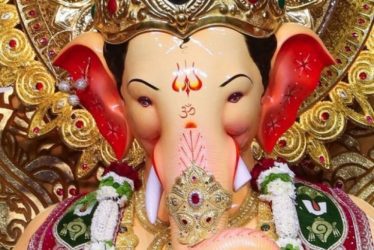
Mukh Darshan translates, quite literally, to darshan of Bappa’s face. Devotees using this route get a view of Lalbaugcha Raja from a designated distance. You can see the idol, offer your prayers and take darshan, but you do not proceed right up to Bappa’s feet. The route is designed for devotees who want to see the idol without opting for the closer darshan experience.
Here, the crowd can move more efficiently when devotees are viewing the idol from a distance rather than individually approaching it. That can make Mukh Darshan the preferred choice for people who are working with limited time or who do not want to commit to the longer Navsacha queue.
But don’t read “more efficient” as “quick”. During the busiest days of Ganeshotsav, Lalbaugcha Raja attracts enormous crowds, and Mukh Darshan can also involve a lengthy wait.
What Is Navsacha Darshan?
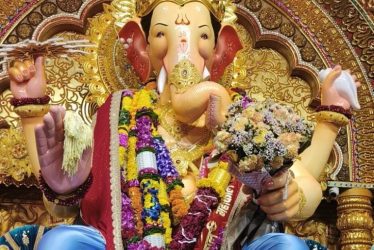
Navsacha Darshan is the closer darshan route traditionally associated with devotees who have made a navas. The key difference is physical access. Devotees on this route get much closer to the idol and traditionally have the opportunity to seek blessings at Bappa’s feet.
For someone who has made a vow, that closeness can carry considerable emotional weight. The journey is not simply about getting a better view of the idol. It can represent the fulfilment of something they promised themselves, and Bappa, they would do.
This is also why the Navsacha queue tends to be significantly more demanding.
Why Does Navsacha Darshan Take Longer?
A Mukh Darshan queue can keep moving as devotees pass through, look towards the idol and continue onwards. Navsacha Darshan involves devotees getting much closer, which naturally slows the movement of people. At a pandal visited by huge numbers of devotees, those few extra moments per person add up quickly.
So if you are deciding between the two based purely on waiting time, Mukh Darshan is generally the less time-consuming option. If you are choosing Navsacha Darshan, the wait is part of the bargain.
Mukh Darshan Vs Navsacha Darshan: The Real Difference
The easiest way to understand the two is to forget the idea that one is superior to the other. Mukh Darshan gives you darshan from a distance. Navsacha Darshan takes you closer to the idol and is traditionally connected with the fulfilment of a vow.
Mukh Darshan is therefore more suitable if seeing Bappa and offering your prayers is enough for your visit. Navsacha Darshan is more appropriate for devotees who specifically want the closer experience associated with the navas tradition.
The difference is not about receiving more or fewer blessings.
Also Read: Nagpur’s Dakshinamurti Ganeshotsav Mandal: 107 Years Of Tradition And Legacy
Ganesh Chaturthi: Does Navsacha Darshan Mean A Bigger Blessing?
No! This is where the distinction between the two queues should not be misunderstood. There is no religious hierarchy in which being physically closer to the idol makes a devotee’s prayer more valuable. Someone standing in the Mukh Darshan queue may have travelled just as far, waited just as long and arrived with just as meaningful a prayer.
The significance of Navsacha Darshan comes from its tradition and personal meaning, particularly for devotees fulfilling a vow. In other words, touching Bappa’s feet is a physical part of the experience. It isn’t a ranking system for devotion.
Can Anyone Choose Navsacha Darshan?
The route is rooted in the Navas tradition, but the practical arrangements for darshan are determined by the mandal and can vary from year to year.
That last part is worth remembering.
Lalbaugcha Raja sees massive crowds, and arrangements can change because of security, crowd management and other logistical considerations. Devotees should follow the instructions being given at the pandal rather than relying on an old video, social media post or information from a previous Ganeshotsav.
The same applies to queue entrances and waiting times. What was true last year may not necessarily be the arrangement this year.
What About Children And Elderly Devotees?
A long queue in Mumbai’s Ganesh Chaturthi crowds can be physically tiring. Families travelling with young children, elderly relatives or anyone who may struggle with prolonged standing should consider whether the closer darshan is worth the additional wait.
For such visitors, Mukh Darshan may be a more practical choice.
That doesn’t make the visit any less meaningful.
Ganesh Chaturthi: Is There A VIP Darshan At Lalbaugcha Raja?
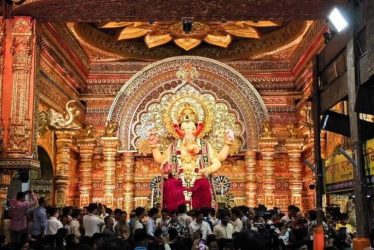
Be careful with anyone promising one!
The Lalbaugcha Raja mandal has previously clarified that it does not offer paid VIP darshan passes. Because the festival draws such enormous crowds, claims about shortcuts or special access can circulate online and around the area.
Devotees should rely on the mandal’s official announcements and on-ground instructions for the latest arrangements. If someone is asking for money while promising guaranteed access, that is a very good reason to be sceptical.
Also Read: 5 Famous Ganesha Temples In Gujarat To Take Bappas Blessings This Ganesh Chaturthi
So, Which Darshan Should You Pick?
If you are visiting Lalbaugcha Raja because you want to see Bappa, pray and experience the atmosphere of one of Mumbai’s most famous Ganeshotsavs, Mukh Darshan is the straightforward option.
If you have made a navas and want to follow the tradition of going closer to Bappa and seeking blessings at his feet, Navsacha Darshan is the route that holds that particular significance. And there is a reason both continue to draw devotees.
Some people want that one clear glimpse of Bappa’s face through a sea of people. Others have a promise to fulfil before they leave. Either way, the destination is the same. The queue you choose simply depends on what darshan means to you.
Cover Image Courtesy: desi_thug1/X
FAQs
What is the difference between Mukh Darshan and Navsacha Darshan at Lalbaugcha Raja?
Mukh Darshan lets devotees see Lalbaugcha Raja from a designated distance, while Navsacha Darshan takes devotees closer to the idol and is traditionally associated with fulfilling a navas.
Which queue is longer at Lalbaugcha Raja?
Navsacha Darshan generally takes longer because devotees move closer to the idol, which slows the flow. Mukh Darshan is usually the less time-consuming option, although both queues can be very long.
What does navas mean at Lalbaugcha Raja?
A navas is a vow made before a deity, often involving a promise to return or perform a particular act of worship if a wish is fulfilled. Lalbaugcha Raja has a long association with this tradition.
Does Navsacha Darshan give more blessings than Mukh Darshan?
No. Being physically closer to the idol does not make one devotee’s prayers more valuable. Navsacha Darshan is significant because of its connection to the navas tradition.
Is there VIP Darshan at Lalbaugcha Raja?
Devotees should be cautious about anyone offering paid VIP access. The mandal has previously clarified that it does not offer paid VIP darshan passes, so visitors should follow official announcements and on-ground instructions.


