
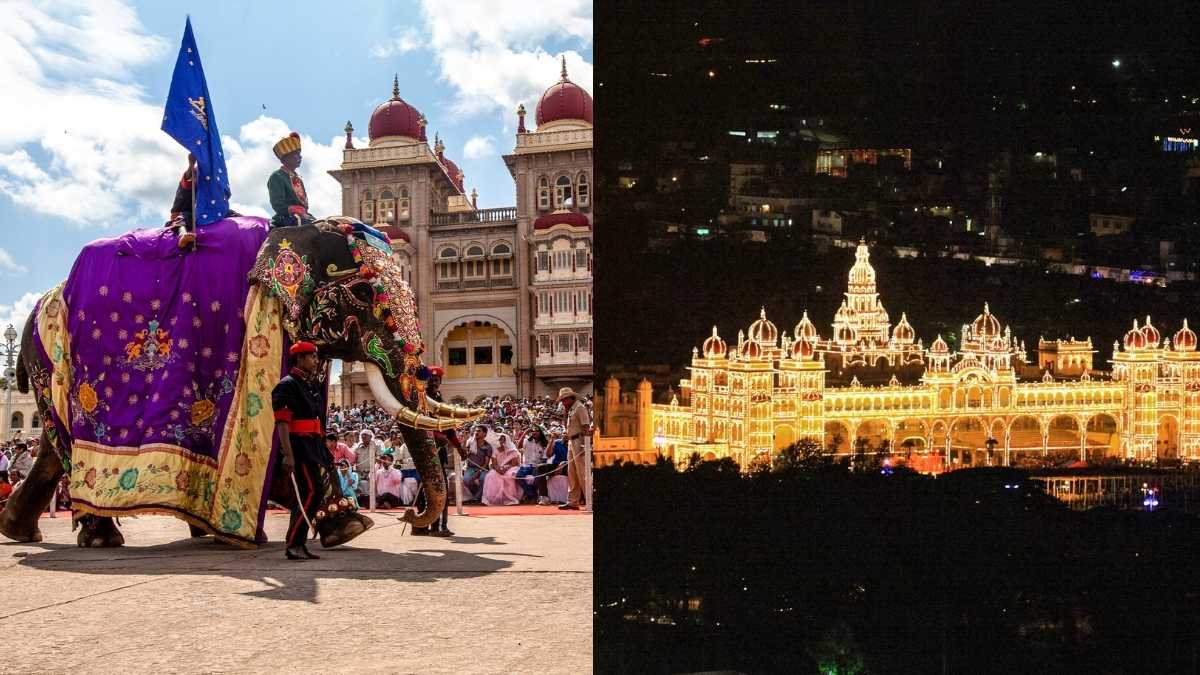

If there is one Indian festival that combines royal grandeur with age-old traditions, it is Mysuru Dasara. Every year, the historic city of Mysuru in Karnataka transforms into a festive spectacle, with its magnificent palace illuminated, cultural performances taking centre stage and thousands of visitors gathering to witness one of India’s most celebrated Dussehra festivities. This year, the 11-day celebrations began on October 11 and will continue until October 21, 2026 and here’s what makes the festival so special and famous.
Mysuru Dasara 2026: What To Expect This Year
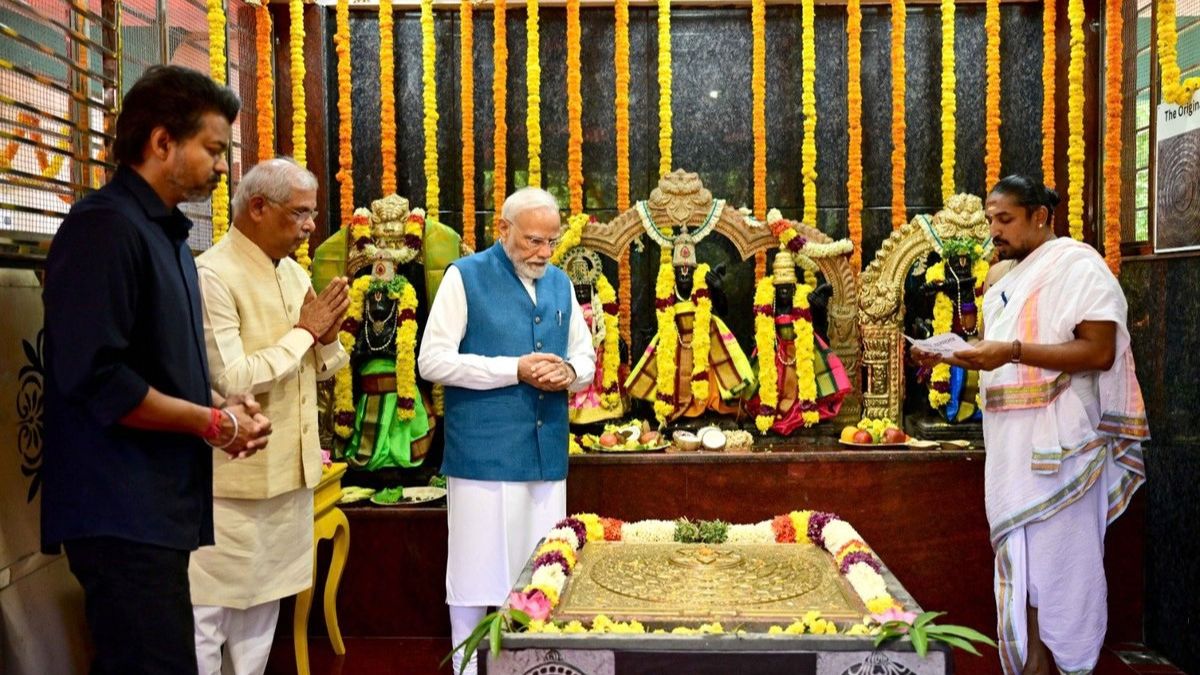
Known as Nada Habba, or the state festival of Karnataka, Mysuru Dasara celebrates the victory of good over evil while showcasing the state’s rich cultural heritage. According to The Hindu, the festivities began with traditional prayers at the Chamundeshwari Temple atop Chamundi Hills. The inauguration was marked by Vedic chants and rituals honouring Goddess Chamundeshwari, the presiding deity of Mysuru.
The celebrations extend well beyond the temple, with cultural programmes, music and dance performances, sporting events, food fairs and exhibitions scheduled across the city. Visitors can also look forward to attractions such as the flower show, drone displays and the traditional torchlight parade at Bannimantap.
One of the biggest attractions is the illumination of Mysuru Palace, which glows with thousands of lights during the festival. The celebrations will culminate on October 21 with the much-awaited Jamboo Savari procession.
Also Read: Mysuru Welcomes World Of Chocolates With India’s 1st Chocolate Dam & Willy Wonka Vibes
Why Is Mysuru Dasara So Famous?
Mysuru Dasara has deep religious and royal roots. According to local legend, Goddess Chamundeshwari defeated the buffalo demon Mahishasura on Chamundi Hills, symbolising the triumph of good over evil. The festival honours the Goddess through special prayers and rituals.
Its royal legacy dates back centuries. Dasara was celebrated during the Vijayanagara Empire, and the tradition was later continued by the Wadiyar rulers of Mysuru. Raja Wadiyar I is credited with establishing the grand Dasara celebrations in Mysuru in 1610, giving the festival its enduring association with royal pageantry.
A Celebration Of Karnataka’s Culture
From classical music and dance to folk performances, food fairs and exhibitions, Mysuru Dasara celebrates the many facets of Karnataka‘s cultural identity.
One of the key highlights of the festival is the Jamboo Savari, held on the day of Vijayadashami. The procession features decorated elephants, traditional musicians, colourful tableaux and folk performers. The lead elephant carries the idol of Goddess Chamundeshwari in a golden howdah, drawing large crowds along the route.
People also look forward to the Mysuru Palace illumination, which transforms the historic royal residence into a spectacular sight after sunset. The festival also offers visitors a glimpse into the city’s royal traditions and architectural heritage.
Also Read: India’s First Cat Museum Opens In Mysuru And It’s Basically A Paradise For Cat Lovers
Mysuru Dasara is a combination of devotion, history and grand celebrations that continues to draw visitors from across India!
Cover Image Courtesy: X/@incredibleindia
FAQs
Why is Mysuru Dasara so famous?
Mysuru Dasara is famous for its royal heritage, the illuminated Mysuru Palace, religious ceremonies, cultural performances and the grand Jamboo Savari procession featuring decorated elephants and colourful tableaux.
What is the Jamboo Savari procession?
Jamboo Savari is the grand Vijayadashami procession that features decorated elephants, traditional musicians, folk performers and cultural tableaux. The lead elephant carries the idol of Goddess Chamundeshwari in a golden howdah.
What is Nada Habba?
Nada Habba translates to the state festival of Karnataka. Mysuru Dasara is popularly known by this name because of its cultural, religious and historical significance across the state.


