

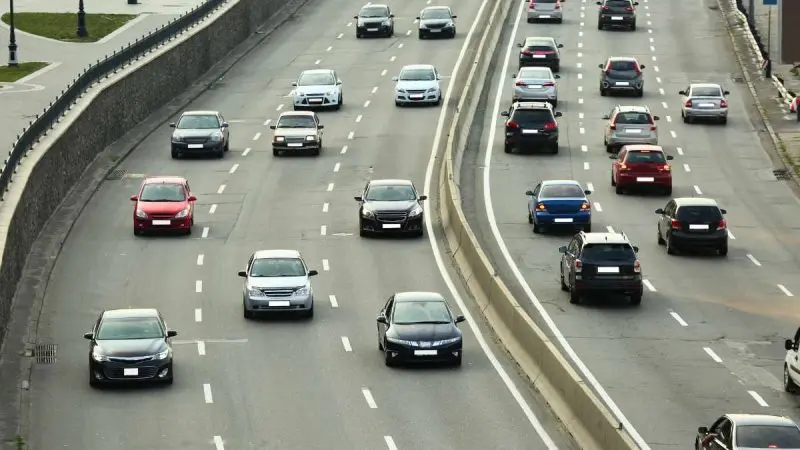
Traffic in Delhi, especially during peak hours, can turn even a short drive into a frustrating ordeal. Endless queues, blaring horns, and bumper-to-bumper traffic often leave commuters running late. However, that could soon change. The Delhi government is planning to make 25 of the city’s busiest intersections signal-free to improve traffic flow and reduce congestion. Here’s everything you need to know about the proposed initiative.
Delhi Plans Signal-Free Roads For Smoother Commute
According to NDTV, Delhi is planning to replace traffic signals with a back-to-back U-turn model at 25 major intersections in the city to ensure smoother traffic flow. The signal-free road network will be implemented in phases across Delhi over the coming months.
According to reports, the signal-free road plan aims to reduce waiting time at traffic intersections, improve average travel speeds, cut fuel consumption, and ease congestion on some of the capital’s busiest roads. The proposal is based on a comprehensive traffic survey in which experts analysed congestion patterns across several key corridors in the city.
As reported by NDTV, the project will cover several major stretches, including Najafgarh Road, Bhartendu Harishchandra Marg, GT Road, the Rajouri Garden-Karampura stretch, the Punjabi Bagh-Tikri Border corridor, Mathura Road, Mehrauli-Gurugram Road, the Outer Ring Road stretch between Nehru Place and Rao Tula Ram Flyover, Road No. 71 in Yojana Vihar, the ITO corridor, Kalindi Kunj, roads around the airport, Pankha Road, the Mehrauli-Saket-Sangam Vihar belt, and several other high-traffic arterial roads across North, South, East and West Delhi.
Also Read: Delhi To Get 8.1-km Six-Lane Tunnel Corridor From Dwarka Expressway To Vasant Kunj
Why Is This Model Being Considered?
Delhi’s proposed signal-free road model aims to improve traffic flow through smarter road design. Instead of investing in large-scale infrastructure, the plan focuses on reconfiguring existing intersections to keep vehicles moving with minimal interruptions.
According to NDTV, this approach is expected to provide quicker relief from congestion while avoiding the high costs and space constraints associated with major construction projects.
As per Delhi authorities’ plan, traffic signals at selected junctions will be replaced with carefully planned U-turns. Rather than turning directly at intersections, motorists will continue straight, make a designated U-turn further ahead, and then merge back onto their intended route. By eliminating repeated signal stops, authorities hope to ensure smoother traffic movement and shorter travel times along some of Delhi’s busiest corridors.
Also Read: From Malcha Mahal To Turkman Gate: Delhi Opens 75 Heritage Sites For Adoption
Let us know your thoughts on this in the comments section.
Cover Image Courtesy: Canva Pro/pixelshot (representative image)
For more such snackable content, interesting discoveries and the latest updates on food, travel and experiences in your city, download the Curly Tales App. Download HERE.
FAQs
Why is Delhi introducing signal-free roads?
The initiative aims to reduce traffic congestion, shorten travel time, improve average vehicle speed, lower fuel consumption, and cut emissions across some of the city's busiest corridors.
Will signal-free roads reduce traffic jams in Delhi?
The initiative is expected to ease congestion on major roads. However, its effectiveness will depend on factors such as traffic volume, driver compliance, and the successful implementation of the redesigned intersections.
Which roads are expected to become signal-free?
The project is expected to cover several major corridors across Delhi, including stretches of Najafgarh Road, Mathura Road, Mehrauli-Gurugram Road, Outer Ring Road, the ITO corridor, Pankha Road, Kalindi Kunj, and roads around the airport, among others.