


Tofu, tempura, ramen, katsu, and karaage instantly transport us to Japan. Comforting bento boxes, sizzling izakayas, and cosy ramen shops all have a distinctly Japanese flavour. However, you might be surprised to learn that many of the comfort foods that are most popular in Japan did not originate there. These popular dishes came to Japan through trade routes, monks, sailors, and colonisers. And once they reached Japan, they were simplified, refined, and slowly turned into the icons we know today. Here are 8 Japanese foods that didn’t originally come from Japan.
Japanese Foods That Didn’t Actually Originate In Japan
1. Tempura, Portugal
Tempura today is all about lightness, with delicate batter, crisp vegetables, and prawns that crunch without feeling greasy. But the idea of batter-frying food came from Portugal in the 16th century. Portuguese missionaries introduced fried dishes during religious fasting periods called tempora. The original versions were heavier and oilier. The Japanese changed everything. They created a thin, ice-cold batter, fried ingredients quickly, and focused on freshness. The result was a dish that feels clean, elegant, and almost effortless. Tempura is proof that sometimes less really is more.
2. Tonkatsu, France
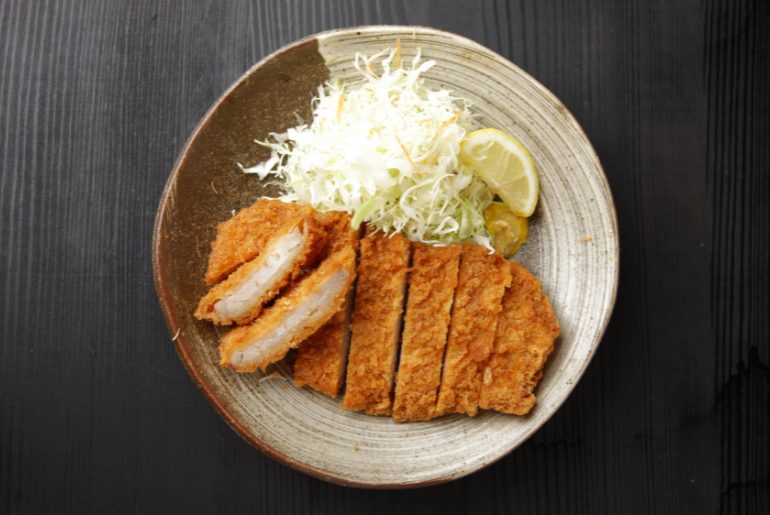
That thick, crunchy pork cutlet served with cabbage and sauce feels like peak Japanese comfort food. But tonkatsu was inspired by French breaded cutlets, brought to Japan during the Meiji era when Western food was becoming fashionable. The French cutlet was refined and pan-fried. Japan made it heartier, using pork instead of veal, panko for extra crunch, and deep-frying for that golden crust. Add sweet, tangy tonkatsu sauce and suddenly, this European dish turned into a Japanese classic loved by kids, adults, and everyone in between.
3. Tofu, China
Tofu has been part of Japanese food culture for centuries, but it originally came from China more than 2,000 years ago. Buddhist monks brought it to Japan as a nutritious, plant-based food. What’s beautiful is how Japan embraced tofu’s simplicity. Instead of hiding it behind spices, Japanese cooking lets tofu shine on its own, served chilled in summer, simmered in winter, or aged for deeper flavour. Tofu may have come from China, but Japan turned it into a quiet symbol of balance and comfort.
4. Karaage, China
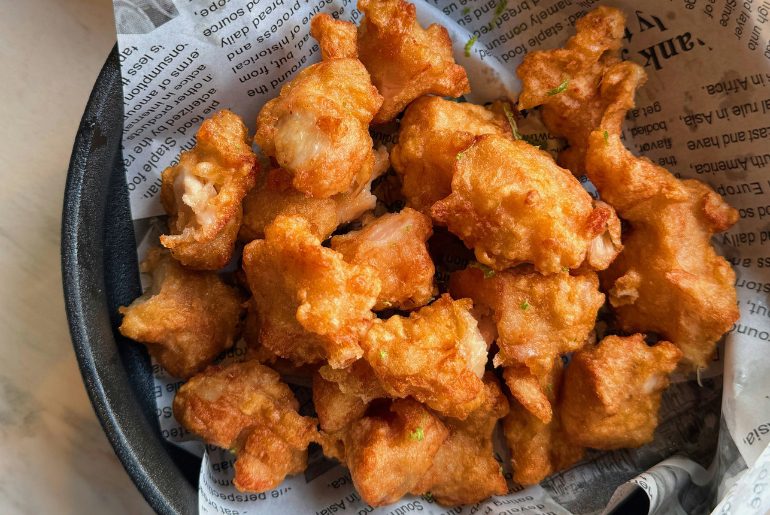
Crispy on the outside, juicy on the inside, karaage is Japan’s answer to fried chicken perfection. The technique of marinating meat before frying came from China, which is why the name literally means “Chinese-style frying.” Japan added its own touch with soy sauce, ginger, garlic, and potato starch. The result is lighter than Western fried chicken but just as addictive. From convenience stores to home kitchens, karaage is everywhere.
Also Read: How Easily Does Veganuary Fit Into Indian Diet: 5 Indian Dishes That Are Inherently Vegan
5. Ramen, China
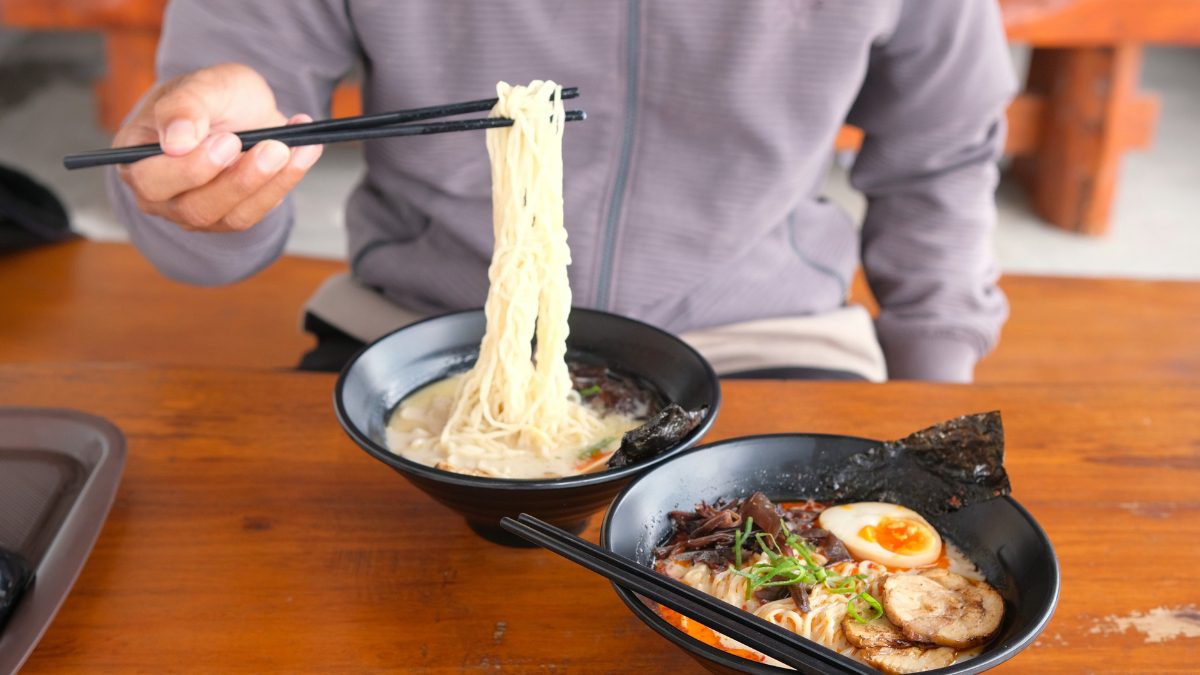
Ramen feels like the heart and soul of Japanese food culture, but it actually began as Chinese wheat noodles. When it first arrived in Japan, it was a simple, affordable meal. Then Japan took over. Broths became richer, toppings more thoughtful, and styles more regional. Ramen shops turned into places of pride, where chefs spend years perfecting one bowl. What started as a foreign noodle became one of Japan’s most loved and debated foods.
6. Gyōza, China
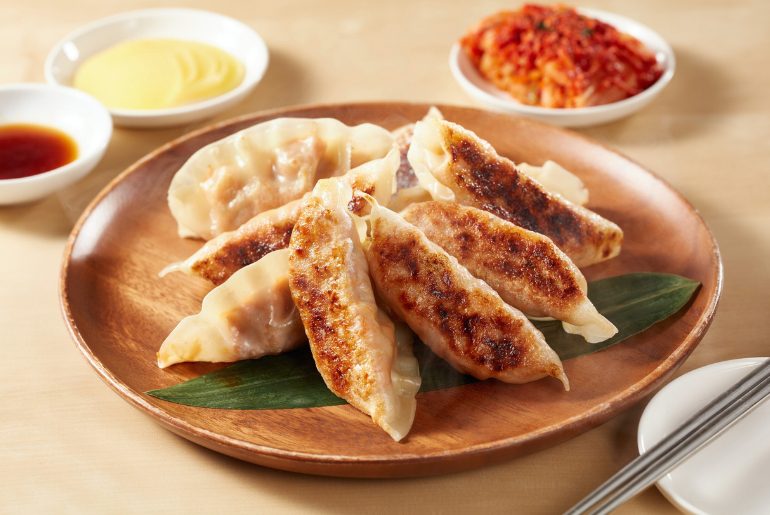
Those crispy, garlicky dumplings you order alongside ramen have their roots in Chinese jiaozi. After World War II, Japanese soldiers brought back a love for dumplings and adapted them to local tastes. Japanese gyōza are smaller, thinner, and packed with flavour. They’re pan-fried to get that golden base, then steamed for a juicy filling. Today, gyōza are comfort food, something you eat with friends or family or late at night when cravings hit.
7. Curry Rice, India Via Britain
Japanese curry rice is mild, slightly sweet, and deeply comforting. But its journey started in India, travelled to Britain, and finally reached Japan through the British Navy. Japan made curry thicker, gentler, and perfect for everyday eating. Served with rice, cutlets, or omelettes, curry rice became a household staple. It’s comforting, hearty, and nostalgic, proving that flavours from around the world can still feel like home.
8. Castella, Portugal
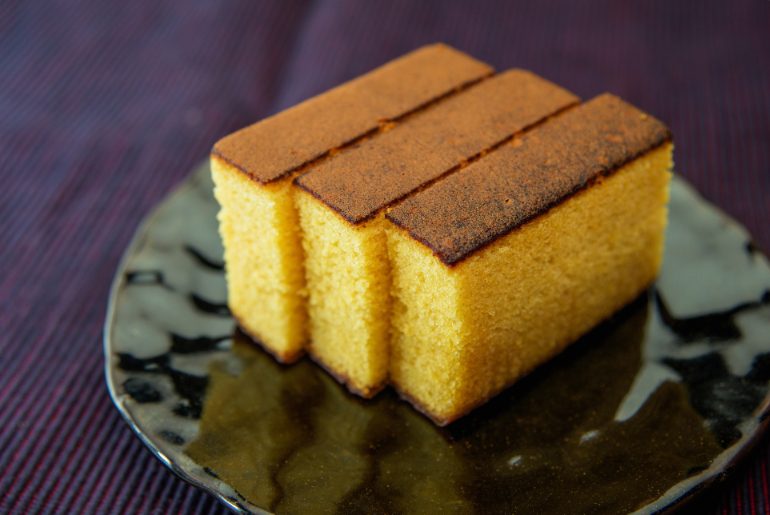
Castella cake arrived in Japan from Portugal in the 16th century. The original version was richer, but Japanese bakers simplified it to just eggs, sugar, flour, and honey. The end product is a deliciously satisfying, lightly sweet, soft, and bouncy cake. Even though it originated far away, castella is now a popular treat, particularly in Nagasaki, and feels entirely Japanese.
Japanese cuisine is unique not because it originated in a single location but rather because Japan embraced and adapted ideas from all over the world.
Cover Image Courtesy: Canva/Astri Nugraheni
For more such snackable content, interesting discoveries and the latest updates on food, travel and experiences in your city, download the Curly Tales App. Download HERE. First Published: January 21, 2026 8:44 PM