
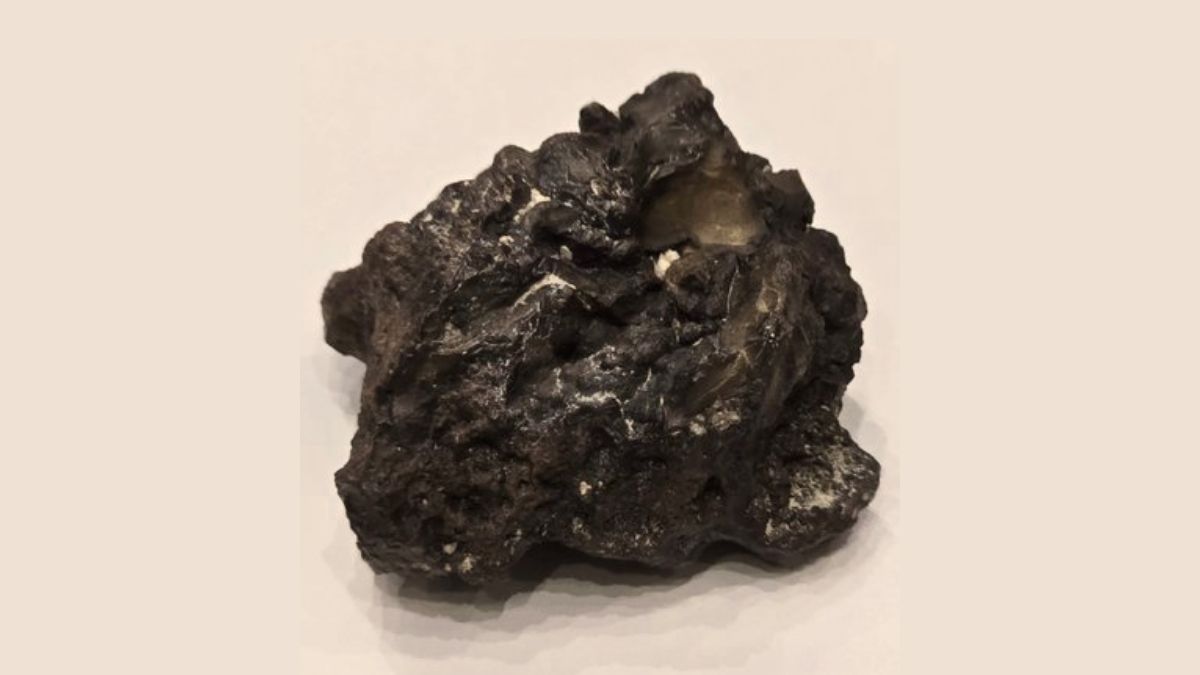


Qatar has recently made a discovery that’s commendable. Four months after a meteorite fragment surfaced in September 2025, a second piece has now been discovered in the desert of Al Khor. The country is growing its footprint in astronomical research.
Qatar Finds Second Meteorite Boosting Regional Space Research
The announcement came from Sheikh Salman bin Jabor Al Thani, Head of the Qatar Astronomical Centre. He shared images of the discovery on his X account. According to reporting by Qatar Tribune, early visual clues suggested something rare. Lab testing later confirmed that it wasn’t your generic mass of rock but an iron meteorite.
Found In Al Khor After A Focused Desert Search
The meteorite fragment was discovered in Al Khor after a careful and targeted search. After the first fragment appeared last year, astronomers mapped the meteorite’s flight path. It stretched over more than ten kilometres. Using that data, teams returned to the area armed with drones, GPS mapping, and traditional walking surveys along desert paths.
The newly found fragment appeared along the same trajectory, strengthening the theory that multiple pieces broke off during atmospheric entry.
Cosmic Glass That Turned Out To Be Iron
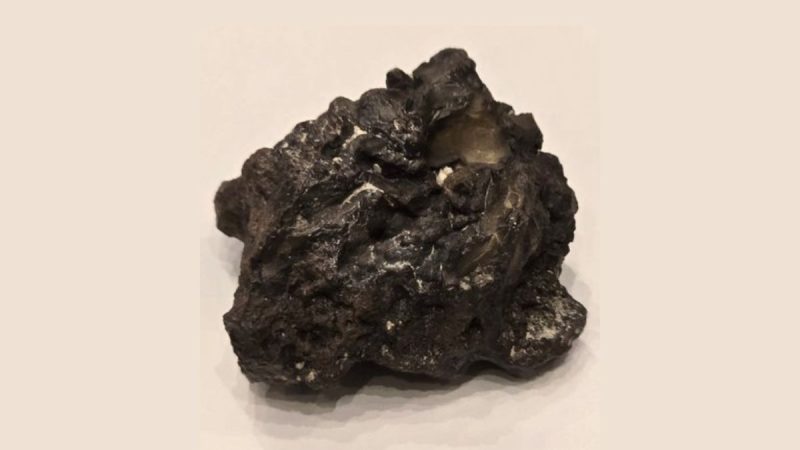
At first glance, the meteorite looked like tektite, a natural glass formed by extreme heat during impacts. Sheikh Salman described it as cosmic glass.
Closer inspection changed the story. Advanced testing confirmed the fragment was an iron meteorite. It appeared to be a dense and scientifically valuable type formed from the cores of ancient planetary bodies. These meteorites are far rarer than common stone types and offer direct clues about how planets formed billions of years ago.
Why This Discovery Actually Matters
Meteorites of this size do not show up often, especially ones that can be traced, mapped, and recovered with accuracy. Each fragment becomes a physical record of the early solar system.
Also Read: From Open-Air Cinema To Desert Nights, Qatar Has Lit Up With A Range Of Outdoor Winter Events
Sheikh Salman highlighted that findings like this support scientific studies not only in Qatar but across the wider region.
Cover Image Courtesy: Sheikh Salman bin Jabor Al Thani/X
For more such snackable content, interesting discoveries and the latest updates on food, travel and experiences in your city, download the Curly Tales App. Download HERE. First Published: January 12, 2026 1:01 PM