
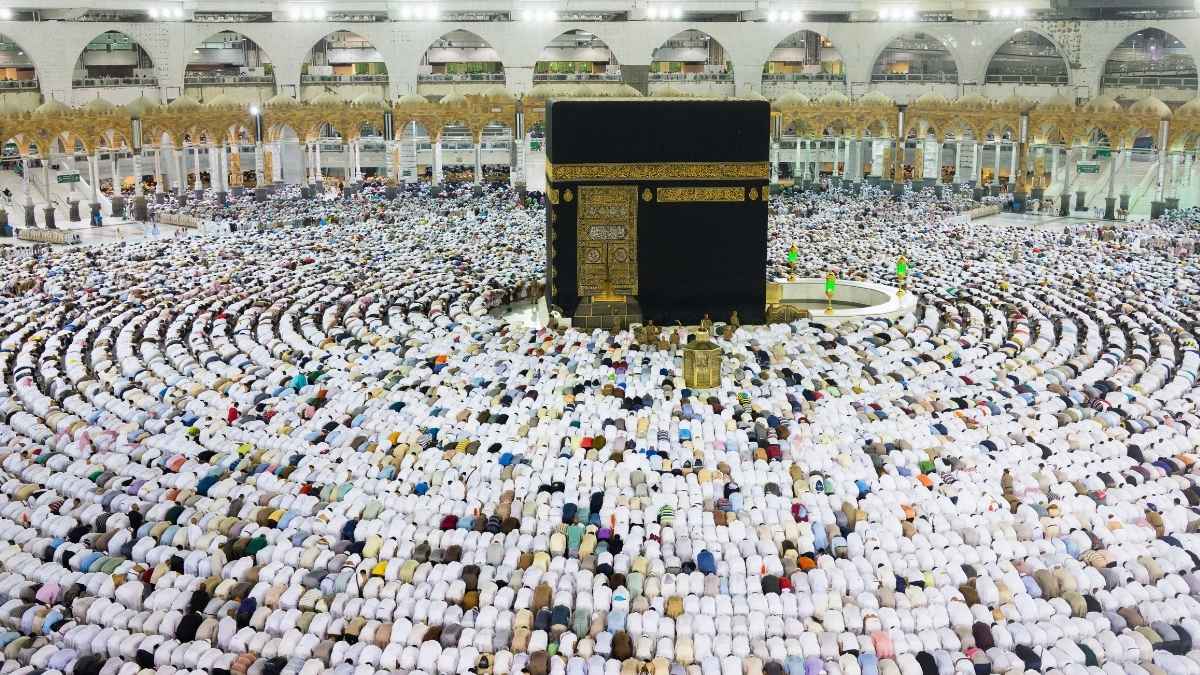


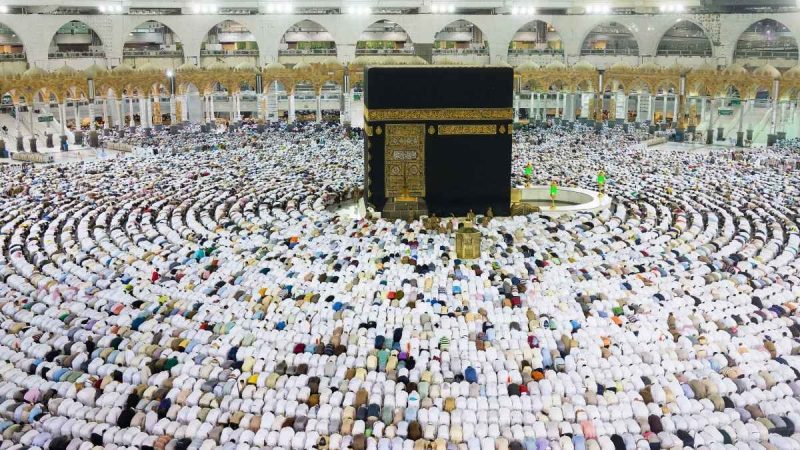
Hajj 2026 is just two months away, and preparations are already underway for millions of Muslims who are preparing to visit the country for the pilgrimage. It is one of the largest religious gatherings in the world, and Muslims from around the world throng to the holy city for this annual pilgrimage. However, there are key health requirements that you will want to know if you’re travelling for Hajj.
Here’s The Guide To The Vaccine For Hajj 2026
There are certain vaccinations that are mandatory, and there are others that have been strongly recommended under official Nusuk Hajj. In case you’re wondering, this is the official digital platform by the Saudi Ministry of Hajj and Umrah, and it has offered guidelines for vaccinations. Here’s the guide to vaccines that you need to know before you travel for Hajj.
Mandatory Vaccines Are As Follows
Your health is our priority this Hajj season.
To ensure a safe and spiritual journey, please review the mandatory and recommended health requirements for domestic pilgrims for Hajj 1447 AH.Action required: Book your vaccination appointment now via the Sehhaty App pic.twitter.com/d12IJGz8Qt
— Ministry of Hajj and Umrah (@MoHU_En) March 11, 2026
The vaccination rules apply to all the pilgrims, whether they’re adults or children aged one year and above. These vaccines are as follows:
- Meningococcal
This is a mandatory requirement for anyone who is attending Hajj, as revealed in a report of the Gulf News. Pilgrims must present a valid vaccination certificate confirming that they have received the quadruple meningitis vaccine. It should be noted that this vaccine must be taken at least 10 days before arrival, and the accepted types include – Quadruple (ACYW) polysaccharide vaccine and Quadruple conjugate (ACYW) vaccine. - Polio
There are pilgrims that arrive from the regions where poliovirus is still circulating. So they must show the proof of vaccine that they have either received the Bivalent oral polio vaccine (bOPV) or the Inactivated polio vaccine (IPV). Moreover, this dose should be taken between four weeks to 12 months before travel. - Yellow Fever
Pilgrims aged more than nine months and travelling from countries where this disease is still a problem must show proof of vaccination. This certificate becomes valid only after 10 days of vaccination. However, it should be noted that it remains valid for life.
Also Read: Kite Beach’s ‘We Love Dubai’ Event Lets Your Selfie Join A Live Mosaic
When Is The Ideal Time For Vaccination?
Well, it should be noted that vaccinations should be taken at least 10 days before travel. This ensures that the body has had enough time for building the immunity. It should also be noted that these vaccines are recorded in the international vaccination card. This is issued by authorised health centres. There are other mandatory vaccines that have been advised for protecting health during the pilgrimage. These include Seasonal influenza, the pneumococcal vaccine, and the COVID-19 vaccine.
Finally, it is important to check if your service provider offers medical insurance, as it is not automatically included for Hajj pilgrims. So, it’s important that you enquire about the healthcare services and make sure to purchase a comprehensive insurance before you travel.
Cover Image Courtesy: Canva Pro/Zurijeta
For more such snackable content, interesting discoveries and the latest updates on food, travel and experiences in your city, download the Curly Tales App. Download HERE. First Published: April 07, 2026 11:33 AMFAQs
What is Hajj?
Hajj is an annual pilgrimage undertaken by Muslims from around the world, where they travel to Mecca.
What are the mandatory vaccines for Hajj 2026?
The mandatory vaccines included for Hajj 2026 are Meningococcal, Polio and Yellow Fever.
Should a person be vaccinated before travelling for her?
A person should be vaccinated about 10 days before travelling for Hajj as it gives the body enough time to build immunity and offers maximum protection.