
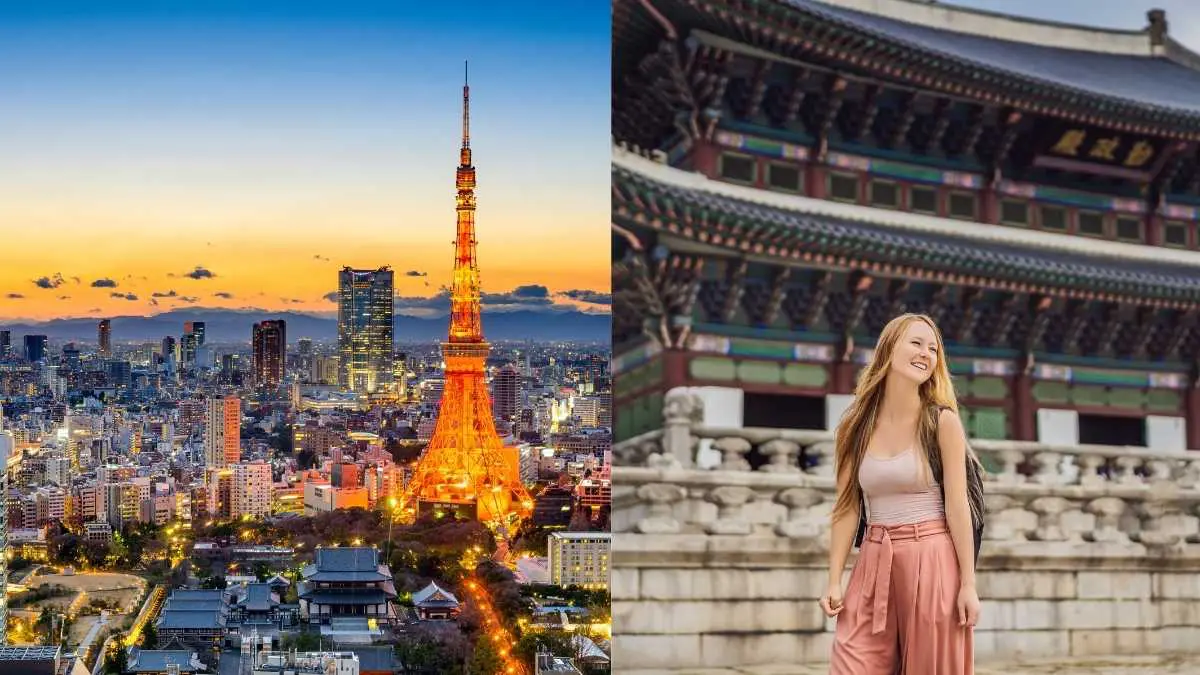
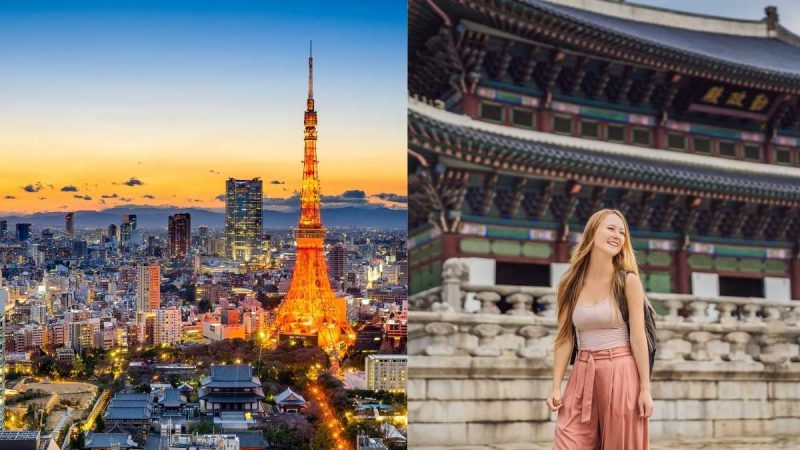
The internet has picked sides. Team Japan swears no place comes close to Kyoto in spring, ramen at a tiny family-run shop in Osaka or watching Mount Fuji appear from the window of a speeding Shinkansen. Team South Korea will happily argue that Seoul never sleeps, the street food is addictive, skincare shopping is practically a sport, and every neighbourhood looks like a K-drama waiting to happen. But while Instagram reels may convince you to book both, your bank account will probably force you to choose just one. So, to help you plan better, here’s a breakdown of everything from flights and hotels to food that you might have to spend on.
Japan Or South Korea? Flights, Hotels, Food, Transport & Shopping Costs
Getting There: Don’t Let Flight Prices Fool You
If you’re flying from Delhi, Mumbai, Bengaluru or Chennai, flights to Tokyo, Osaka or Seoul usually sit in the same price bracket. Return tickets typically range between ₹28,000 and ₹45,000 when booked three to five months in advance. Prices shoot up during Japan’s cherry blossom season between March and April and South Korea’s autumn foliage months between September and November.
Japan often benefits from more airline competition, with carriers operating through Singapore, Hong Kong, Bangkok, Kuala Lumpur and the Middle East. Korea has fewer route options, but frequent sales from airlines connecting through Southeast Asia often narrow the gap.
Choosing one destination over the other won’t save much on airfare. The real budget battle begins after immigration!
Winner: Tie
Also Read: Love Japan’s Sakura? These 8 Places In India Offer The Same Pink Paradise
Hotels: Korea Wins This Round
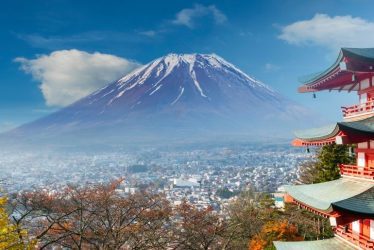
Open any booking website, and you’ll notice that Tokyo is exciting, but oh oh, it is also expensive.
Even compact business hotels near train stations regularly cost between ₹5,000 and ₹9,000 a night during tourist season. Kyoto isn’t much cheaper, especially during spring and autumn. Ryokans, the traditional Japanese inns complete with tatami flooring, futons and elaborate kaiseki dinners, are incredible experiences but can easily cost upwards of ₹15,000 a night.
South Korea gives travellers far more breathing room. In Seoul, Busan and Jeju, modern boutique hotels, guesthouses and serviced apartments frequently start around ₹3,000. Spending ₹5,000 usually gets you a spacious room in a central neighbourhood with fast Wi-Fi, laundry facilities and sometimes even breakfast.
Winner: South Korea
Also Read: South Korea Launches Workation Visa; Check Eligibility, Documents & How To Apply
Eating Your Way Through Both Countries
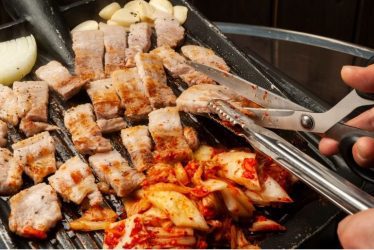
Here’s the good news. Neither destination demands fancy restaurants to eat well.
Japan has transformed convenience-store food into an art form. Walk into any 7-Eleven, FamilyMart or Lawson, and you’ll find fresh onigiri, bento boxes, sushi, sandwiches, salads and desserts that would embarrass convenience stores almost anywhere else.
South Korea somehow manages to make eating out even cheaper.
Markets such as Myeongdong, Gwangjang and Jagalchi are packed with steaming dumplings, spicy tteokbokki, crispy hotteok pancakes, fish cakes, corn dogs and fried chicken. Sit-down meals like bibimbap, kimchi jjigae or naengmyeon are generously portioned and rarely feel overpriced.
One unexpected advantage in Korea is the abundance of complimentary side dishes. Order one main course and your table often fills up with kimchi, pickles, vegetables and soups without paying extra.
Winner: Tie
Also Read: Why Is Japan Paying People ₹52,000 To Spend A Night In A Haunted House?
Transport: One Is Faster, The Other Is Kinder To Your Wallet
Japan’s railway system deserves every bit of its legendary status. Trains arrive almost exactly when they’re supposed to, stations are remarkably organised and the Shinkansen makes travelling across the country feel effortless.
None of that comes cheap!
A single bullet train journey between Tokyo and Kyoto can cost several thousand rupees if you aren’t using a rail pass. Urban metro systems are efficient, but frequent intercity travel quickly adds to your expenses.
South Korea’s transport network may not have the same global reputation, yet it delivers almost everything most tourists need. Seoul’s metro is clean, bilingual, easy to navigate and noticeably cheaper. Bus fares are low, taxis are affordable compared to Japan and rechargeable transport cards work seamlessly across cities.
For travellers hopping between neighbourhoods all day, Korea almost always ends up being the cheaper option.
Winner: South Korea
Also Read: What Are South Korea’s ‘Dopamine Sites’ To Shop & Order Food Which Never Arrives?
Sightseeing: Japan Gives You More Without Charging You
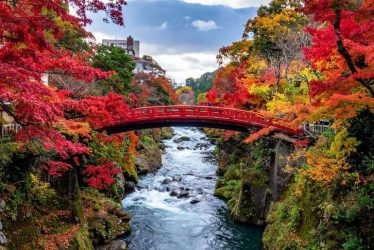
This is where Japan surprises first-time visitors. Some of its most iconic experiences cost absolutely nothing! Yes, NOTHING.
Walking beneath Kyoto’s vermilion torii gates at Fushimi Inari Shrine, wandering through the bamboo groves of Arashiyama, exploring Asakusa’s historic streets, watching the organised chaos of Shibuya Crossing or spending an afternoon in Nara Park with free-roaming deer barely dents your travel budget.
South Korea certainly isn’t expensive either. Gyeongbokgung Palace, Bukchon Hanok Village, Gamcheon Culture Village and numerous hiking trails are reasonably priced or free.
The difference is temptation. Seoul constantly invites you into themed cafes, K-pop merchandise stores, gaming arcades, observatories, photo booths and entertainment districts. Individually they seem inexpensive, but together they inflate your daily spending.
Winner: Japan
Shopping: The Budget Can Collapse Here
This category depends entirely on your weaknesses.
If skincare is your love language, Seoul is dangerous. Global favourites like COSRX, Laneige, Beauty of Joseon, Innisfree and Etude are often significantly cheaper than Indian retail prices. Promotions offering free sheet masks, samples and buy-one-get-one deals make it even harder to stop.
Japan appeals to a different collector. Anime figurines, Pokémon merchandise, Studio Ghibli souvenirs, Muji products, premium stationery, Japanese denim, handcrafted kitchen knives and matcha-flavoured everything have an uncanny ability to fill both shopping bags and suitcases.
Neither country is good for impulse control, but yes, South Korea simply makes those impulses cheaper.
Winner: South Korea
Also Read: 8 Cheapest Countries For Indians To Visit In 2026 With Budget And Visa Breakdown
So, Which Destination Gives You More For Your Money?
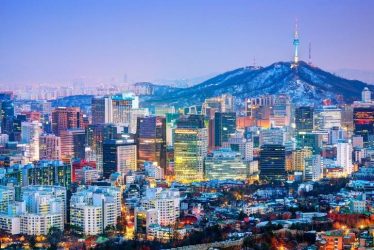
If the only scoreboard is affordability, South Korea walks away with the trophy.
Japan, however, deserves to lose its outdated reputation as an impossibly expensive destination. With smart planning, affordable business hotels, convenience-store meals, regional transport passes and the favourable yen exchange rate, it has become far more accessible than many travellers realise.
Your wallet will probably thank you for choosing South Korea, but your heart might still choose Japan.
Cover Image Courtesy: galitskaya/Canva Pro and seanpavonephoto/Canva Pro
FAQs
Which is cheaper for travellers, Japan or South Korea?
South Korea is generally more affordable than Japan, especially for accommodation, public transport and shopping. However, Japan has become significantly more budget-friendly in recent years thanks to affordable business hotels, convenience-store meals and regional transport passes.
Are flight prices to Japan and South Korea similar from India?
Yes. Flights from major Indian cities like Delhi, Mumbai, Bengaluru and Chennai are often priced similarly, especially when booked three to five months in advance.
Which country has cheaper hotels?
South Korea usually offers better value for accommodation. Boutique hotels, guesthouses and serviced apartments in Seoul and Busan are often more affordable than comparable options in Tokyo or Kyoto.
Which country is better for first-time international travellers?
Both are excellent choices. South Korea is easier on the wallet overall, while Japan offers a unique blend of tradition, technology and world-famous cultural experiences.


