
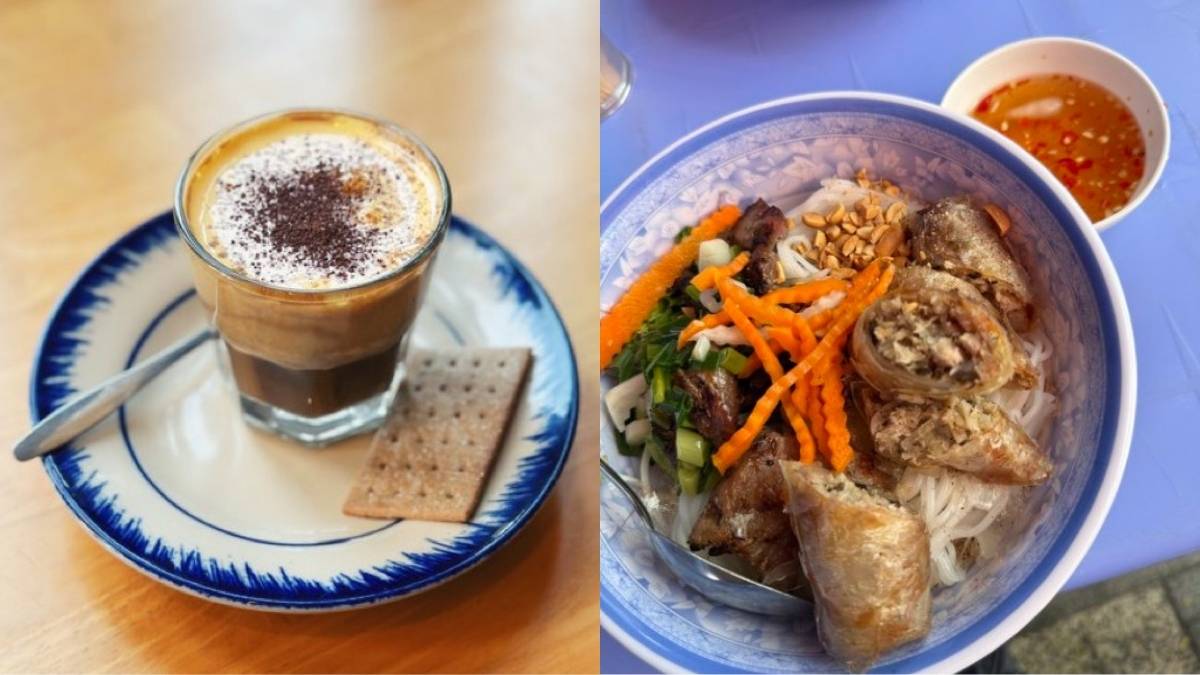

Walk into any Vietnamese street at lunchtime, and you’ll notice something before you even read a menu; the air smells green. Not just fragrant, but it is alive with herbs, grilled notes, citrus, and something earthy underneath. It’s easy to assume that a cuisine this sensory must revolve around meat, but that’s a surface-level reading. Vietnam has always had another table running alongside the obvious one; temple kitchens, home-cooked “chay” meals, and street vendors who know exactly how to build flavour without relying on animal protein. Here are 10 vegetarian dishes you must try on your trip to Vietnam.
10 Best Vegetarian Dishes To Try In Vietnam
1. Bún Thịt Nướng (Vegetarian Version)
This dish is often introduced as a “grilled meat noodle bowl,” which is technically true and completely misleading. Strip away the pork and what remains is the real architecture: a base of soft rice vermicelli, a heap of herbs (mint, Thai basil, perilla), pickled carrot and daikon for acidity, crushed peanuts for fat, and a dressing that is sweet, sour, and lightly salty too! In vegetarian versions, grilled tofu or soy-based mock meat takes on the caramelised edges you’d expect from charcoal cooking, often marinated in soy, sugar, and lemongrass. Originating in southern Vietnam, it’s served at room temperature, which makes every component stand out.
Also Read: An Introvert’s Dream! This Café In Vietnam Lets You Order Drinks Without The Pressure Of Small Talk
2. Lotus Veggie Rice
There’s a reason lotus appears so often in Vietnamese food; it’s not just edible, it’s symbolic too. Seeds, roots, and even the leaves are used, and each part behaves differently in cooking. In lotus veggie rice, jasmine rice is cooked with lotus seeds that soften into a slightly creamy bite, along with vegetables, mushrooms, and sometimes tofu. The seasoning stays controlled with light soy and a hint of oil, so the natural sweetness of the lotus comes through. In more traditional preparations, the entire mixture is wrapped in a lotus leaf and steamed, which subtly perfumes the rice without overpowering it.
3. Taro Dumplings
Taro doesn’t try to impress you once and for all. It’s pale, starchy, and understated, but once cooked, it turns into something unexpectedly rich. In taro dumplings, the root is mashed or grated into a pliable outer layer that holds fillings of chopped mushrooms, glass noodles, and vegetables seasoned with soy and pepper. Steamed versions are soft and slightly chewy, almost melting at the centre, while fried ones develop a crisp shell that cracks open into a creamy interior.
4. Vietnamese Coffee
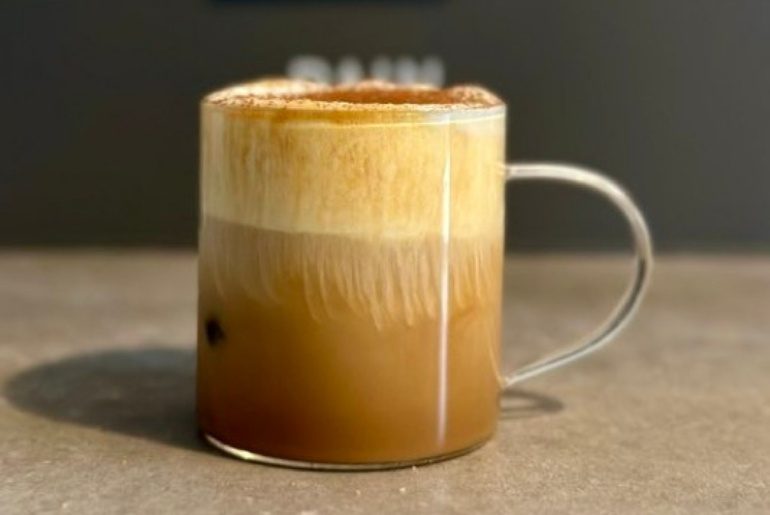
Coffee hailed in Vietnam through French colonial influence, but what stayed behind evolved into something wholesome-ly local. The beans are mostly robusta, which explains the intensity of Vietnamese coffee, which remains strong, slightly bitter, and high in caffeine. Brewing happens through a small metal filter called a phin, which sits directly over the cup and drips slowly, forcing you to wait. That waiting is part of the experience! The coffee is often mixed with sweetened condensed milk, creating a dense and almost syrupy drink that balances bitterness with sweetness.
Also Read: Vietnamese Coffee At 34,000 Feet? Indian Man Calls Vietnam Airlines “Underrated”
5. Cà Phê Trứng (Egg Coffee)
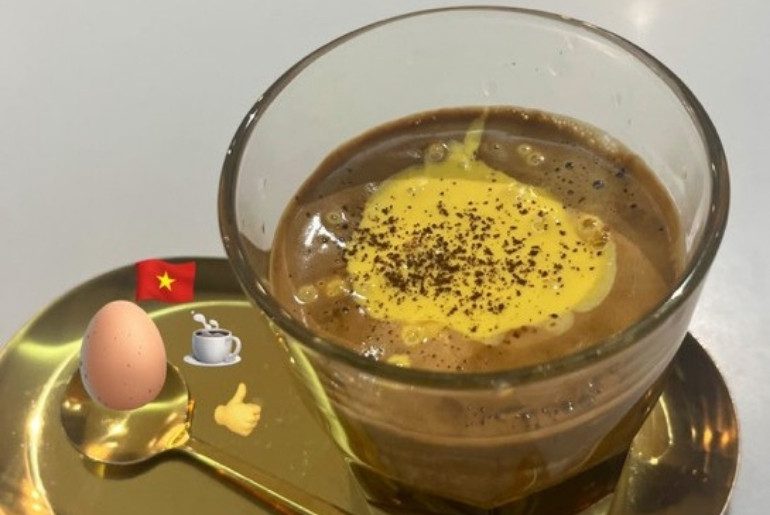
Egg coffee sounds like a mistake until you taste it. It was created in the 1940s in Hanoi during a milk shortage, when egg yolk was whipped with sugar and condensed milk to mimic cream. What came out of that improvisation is now a signature drink. The whipped egg mixture forms a thick and airy foam that sits on top of hot, dark coffee, creating a layered texture. The flavour lands somewhere between coffee and dessert, with a custard-like richness that doesn’t feel heavy. It’s usually served in small cups placed in warm water to keep the temperature steady, which tells you everything about how seriously it’s taken.
6. Phở Chay (Vegetarian Pho)
Phở without meat sounds like it would lose its identity, but that assumption disappears once you taste a well-made vegetarian broth. Instead of bones, the depth comes from slow-simmered mushrooms, charred onions, ginger, and spices like star anise, cinnamon, and cloves. The result isn’t identical; it’s cleaner, more aromatic, and less fatty. Rice noodles form the base, topped with tofu, greens, and herbs that you add and adjust as you eat. The broth is the centrepiece, and when done right, it carries enough complexity to stand on its own.
Also Read: 7 Countries Perfect For First International Trip
7. Gỏi Cuốn Chay (Fresh Spring Rolls)
Nothing in this dish is cooked in the traditional sense, and that’s exactly the whole point. Rice paper sheets are softened in water and wrapped around vermicelli noodles, tofu, lettuce, and a mix of herbs like mint, coriander, and sometimes chives. The real change happens when you dip it into a peanut or hoisin-based sauce, which adds depth to an otherwise light roll. It’s a dish that depends entirely on ingredient quality; there’s nowhere to hide. Every herb, every leaf, every strand of noodle has to be right.
8. Bánh Xèo Chay (Vegetarian Pancake)
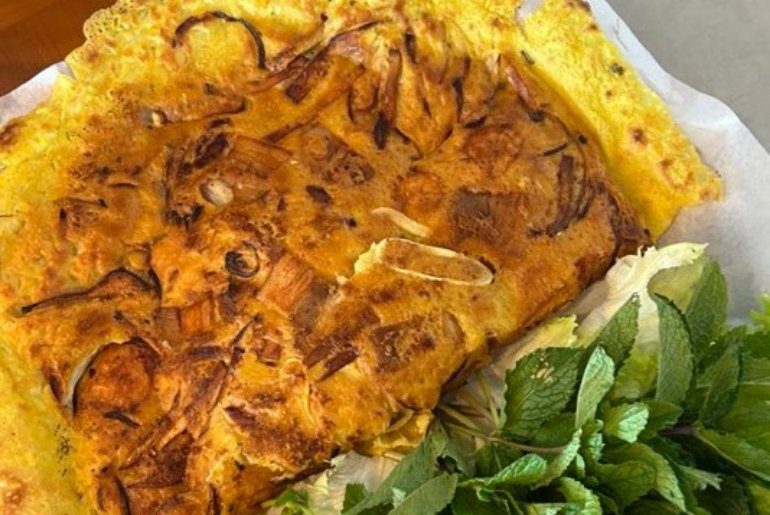
You hear it before you see it; the batter hitting a hot pan with a sharp sizzle, which is where the name “xèo” comes from. The pancake is made from rice flour, turmeric, and coconut milk, giving it a thin and crisp structure and also, a rich golden hue. Inside, you’ll find bean sprouts, mushrooms, tofu, and sometimes mung beans. It’s folded over and served with lettuce and herbs, not eaten on its own. You tear off pieces, wrap them in greens, dip them into sauce, and build each bite yourself.
9. Cơm Chay (Vegetarian Rice Plate)
This isn’t one dish; it’s a system. Walk into a “chay” restaurant, and you’ll see trays of different preparations with braised tofu, stir-fried greens, pickled vegetables, soups, and mock meats made from soy or mushrooms. You pick what you want, and it all lands on a plate with rice at the centre. So yes, you get soft, crunchy, savoury, sour, all in one meal. Many of these dishes are influenced by temple cooking, which focuses on nutrition and variety.
Also Read: Vietnam Airlines To Cut Down Flights From April 1 Due To Ongoing Fuel Shortage
10. Chè (Vietnamese Sweet Desserts)
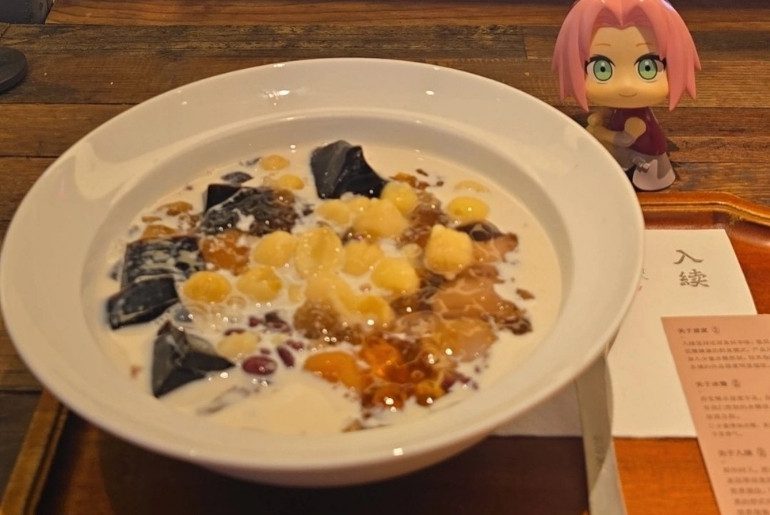
Chè isn’t a single dessert, it’s a category that stretches across textures, temperatures, and ingredients. You’ll find versions made with mung beans, black beans, tapioca pearls, coconut milk, bananas, jellies, and even corn. Some are served warm, and others over crushed ice. The sweetness is present but rarely overwhelming, often balanced by the natural flavour of the ingredients.
Also Read: This Vietnamese Fruit Looks Like A Coconut But Contains Jelly-Like Edible Seeds Instead Of Water
If you approach Vietnamese food expecting vegetarian dishes to feel like compromises, you’ll miss what’s actually happening. These recipes aren’t trying to imitate meat; they’re built on entirely different strengths of herbs, texture, controlled seasoning, and an understanding of how flavours interact without overpowering each other.
Cover Image Courtesy: t_lvn_t/X and sugartamami/X
For more such snackable content, interesting discoveries and the latest updates on food, travel and experiences in your city, download the Curly Tales App. Download HERE. First Published: March 31, 2026 8:04 PMFAQs
Is vegetarian food easily available in Vietnam?
Yes, Vietnam has a strong “chay” food culture with many vegetarian dishes available across cities.
What are the best vegetarian dishes in Vietnam?
Pho chay, banh xeo chay, goi cuon chay, and bun noodle bowls with tofu are popular options.
What does “chay” mean in Vietnamese food?
“Chay” refers to vegetarian or vegan food, often influenced by Buddhist cooking traditions.
Is Vietnamese food vegan-friendly?
Many dishes can be made vegan, but it’s important to check for fish sauce or hidden ingredients.