
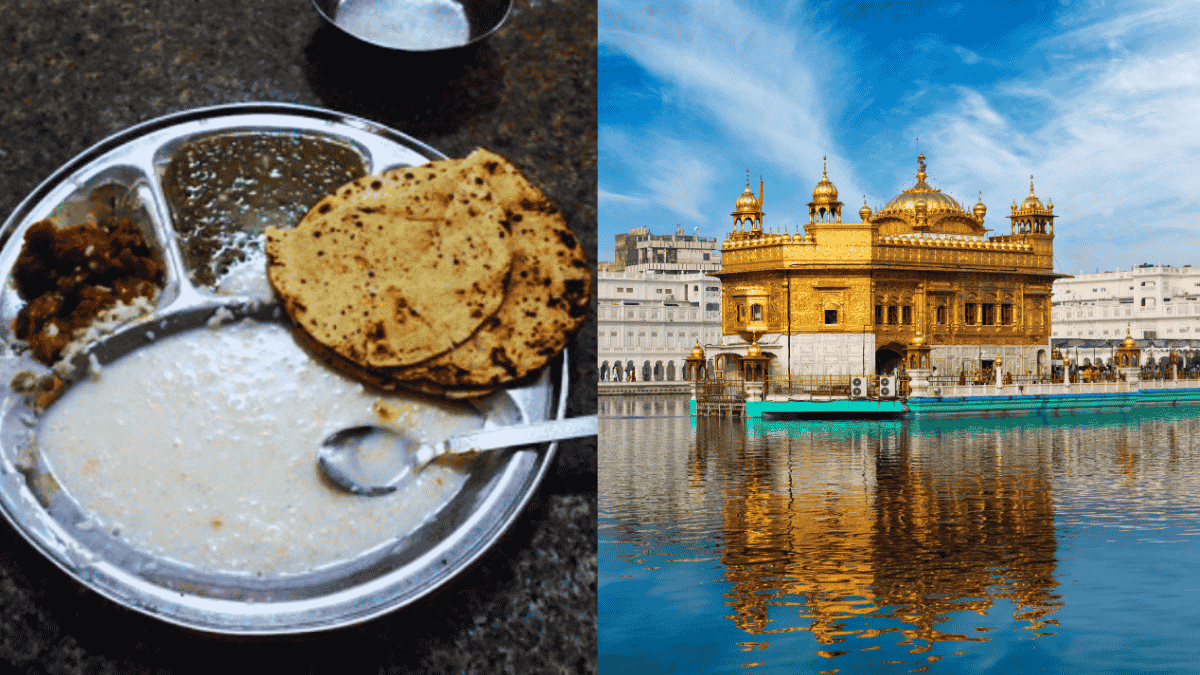



At the Golden Temple in Amritsar, thousands of people come to pray, admire the gold-covered sanctum and walk around the sacred Amrit Sarovar. But tucked into the rhythm of this famous pilgrimage site is another experience worth making time for: sitting down for a meal with complete strangers. This is langar, the Sikh tradition of serving free community meals, where a businessperson, a daily-wage worker and a tourist can sit side by side. The idea is centuries old, but its message feels remarkably relevant today. Here’s what makes the Golden Temple’s langar special and what you should know before joining in on Guru Nanak Jayanti.
Guru Nanak Jayanti: Things To Know Before You Eat At Golden Temple
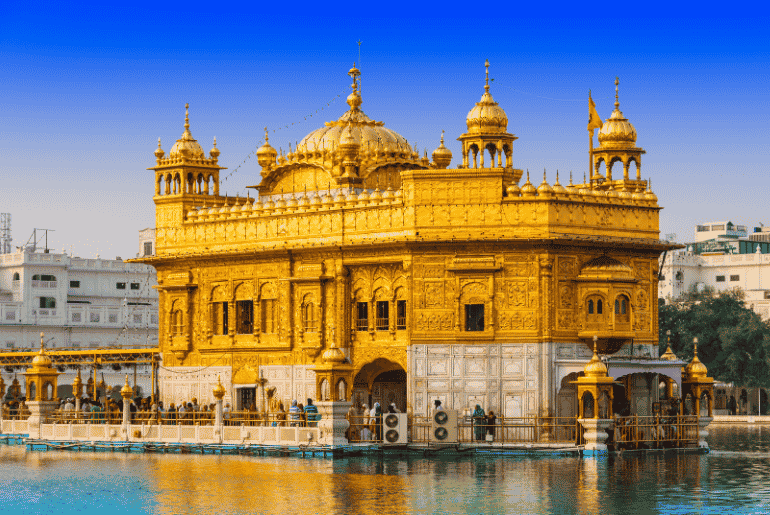
1. It Began With A Challenge To Social Hierarchies
Langar traces its roots to Guru Nanak Dev Ji, the founder of Sikhism, whose teachings questioned the divisions that separated people by caste and social standing. Sharing food became a way to put those beliefs into practice rather than merely preach them. Guru Angad Dev Ji continued the tradition, while Mata Khivi Ji became closely associated with organising and serving langar.
Guru Amar Das Ji later reinforced the principle through pangat, asking visitors to eat together before meeting him. Imagine the message: before approaching a spiritual leader, everyone had to sit on the same level and share a meal. At a time when caste determined who could eat with whom, this was a radical statement. At the Golden Temple, that principle still shapes the langar experience.
2. You Don’t Need To Follow Sikhism To Eat Here

One of the most striking things about langar is that you don’t have to belong to any particular faith to participate. Visitors from India and abroad, pilgrims, families and curious first-timers are all welcome. Nobody checks your religious background before offering you food, and no donation is required to take a seat.
This isn’t hospitality reserved for special guests; it is hospitality extended to everyone. In a world where meals can be shaped by price tags, reservations and social circles, langar does away with those barriers. You arrive, follow the customs of the space and share the meal alongside everyone else. That’s the point.
Also Read: Guru Nanak Jayanti: Make Langarwali Dal At Home With This Simple Recipe By Chef Kunal Kapur
3. Don’t Expect A Fancy Menu, And That’s Precisely The Point
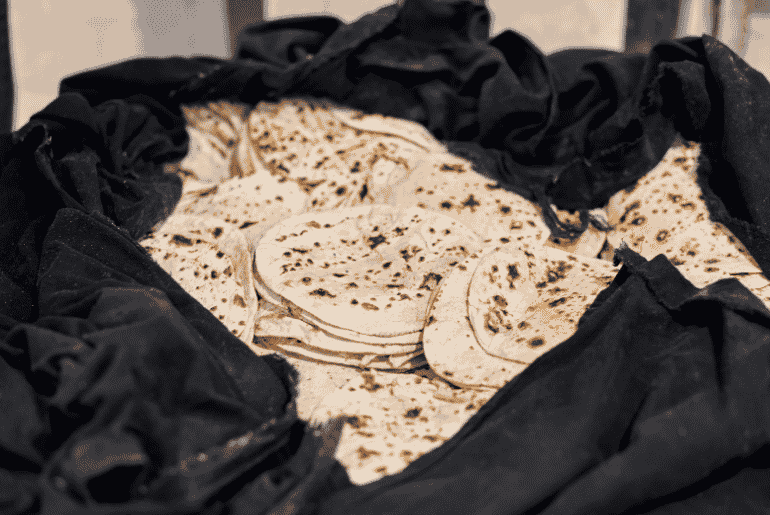
The food served at langar is generally a simple vegetarian meal, often comprising roti, dal and seasonal sabzi, with rice or a sweet dish sometimes included. The menu can change, but elaborate presentation is hardly the objective. The kitchen focuses on feeding people efficiently, with food prepared in large quantities and served fresh to the steady flow of visitors.
Donations help support the operation, while volunteers contribute their time and labour. You won’t find a bill waiting at the end, nor is there an expectation that you pay for your meal.
4. The Seating Arrangement Has A Story Of Its Own
Inside the langar hall, visitors sit in rows on the floor. This arrangement is called pangat, and it is central to the tradition’s emphasis on equality. There are no elevated seats for influential people or exclusive dining areas for particular communities.
Volunteers, known as sewadars, move along the rows serving food as people hold out their plates. The arrangement might look straightforward, but it carries a powerful historical meaning. Eating together challenged social barriers that once dictated who could share a meal.
5. The Kitchen Runs On Seva, Not Just Donations
Behind every plate is seva, the Sikh practice of selfless service. Some people chop vegetables, knead dough or prepare meals; others distribute food, carry utensils and wash dishes. The work is shared, and no task is considered beneath anyone. Visitors who wish to participate can ask the volunteers where help is needed, subject to the kitchen’s arrangements. You don’t need culinary skills or a special introduction to understand the spirit of seva. The idea is to contribute without expecting praise or reward.
Also Read: 10 Sacred Gurudwaras Across The World To Visit This Guru Nanak Jayanti
6. A Little Preparation Goes A Long Way
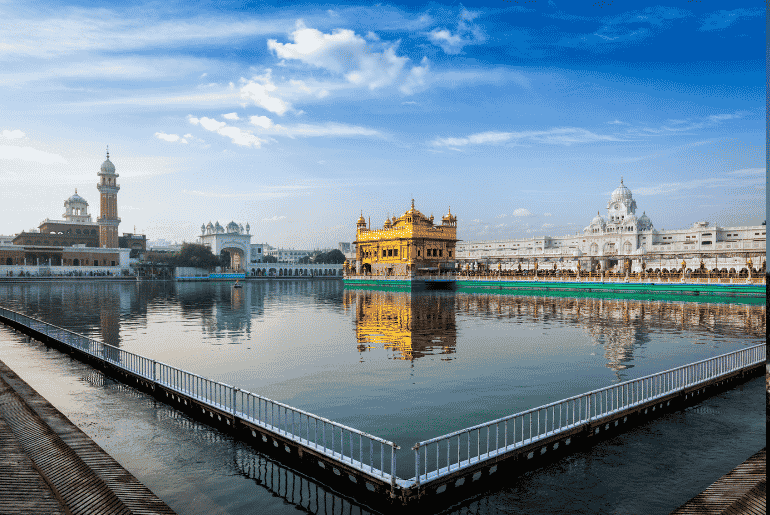
Before entering the Golden Temple complex, cover your head, remove your footwear at the designated area and dress respectfully. Follow the instructions displayed around the premises and those given by the sewadars. Inside the langar hall, sit where directed, take a portion you can finish and avoid wasting food.
If you’re unfamiliar with the customs, there’s no need to feel awkward. Observe the people around you or ask a volunteer for guidance. The experience is open to first-time visitors, and showing respect for the space matters far more than knowing every detail beforehand. Keep your phone use discreet, too; this is a place of worship as well as a community kitchen.
7. Langar Is Served Around The Clock
The Golden Temple’s langar operates day and night, so you don’t have to squeeze the experience into a conventional lunch or dinner slot. The Government of Punjab’s tourism information lists the langar hall as open 24 hours. That said, the complex can become particularly busy during weekends, Gurpurabs and major religious occasions, so allow time for queues and the meal itself.
Rather than treating langar as another quick stop on your Amritsar itinerary, slow down and take in the activity around you: the steady stream of visitors, the volunteers moving between rows and the kitchen preparing for the next round. It’s a reminder that this isn’t a special event staged for tourists. It’s a living tradition, sustained every day by the people who take part.
You might forget exactly what was served on your plate, but the experience of sitting beside strangers without distinctions of wealth, caste or religion is harder to forget. At the Golden Temple, langar turns a simple meal into a lesson in equality, served one plate at a time.
Cover Image Courtesy: dmitryrukhlenko/Canva Pro
FAQs
What is langar at the Golden Temple?
Langar is the Sikh tradition of serving free community meals to everyone, regardless of religion, caste, social background or financial status. At the Golden Temple in Amritsar, it reflects the Sikh principles of equality, community service and sharing.
Is food at the Golden Temple langar free for everyone?
Yes. Anyone can join the langar and eat without paying. Donations are welcome but not compulsory, and visitors are not required to belong to any particular religion.
What food is served at the Golden Temple langar?
The meal generally includes simple vegetarian food such as roti, dal and seasonal sabzi. Rice and a sweet dish may also be served, depending on the menu.


