

Delhi has a way of revealing its history when you least expect it, especially on Guru Nanak Jayanti. Beyond the Mughal tombs and colonial-era avenues, its gurdwaras tell stories of sacrifice, compassion, faith and extraordinary courage. Some stand in the middle of crowded bazaars, while others sit quietly beside historic neighbourhoods, their domes catching the sunlight above the city’s everyday chaos. Each has a story that makes a visit worth more than a quick photograph. Here are seven gurdwaras in Delhi where remarkable architecture meets centuries of Sikh history.
Guru Nanak Jayanti: 7 Historic Gurdwaras To Visit In Delhi
1. Gurudwara Bangla Sahib, Connaught Place
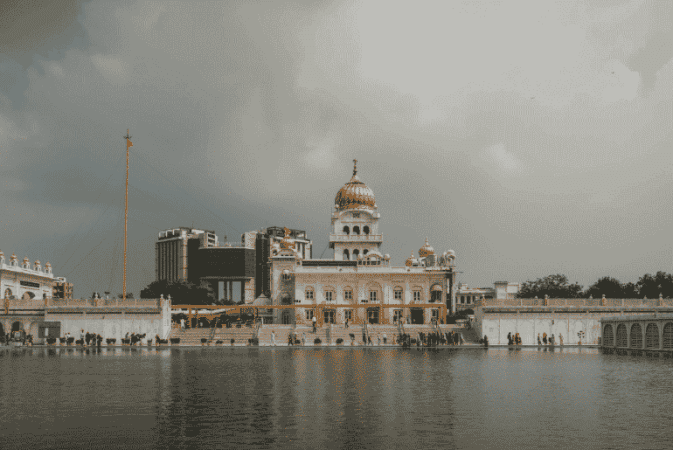
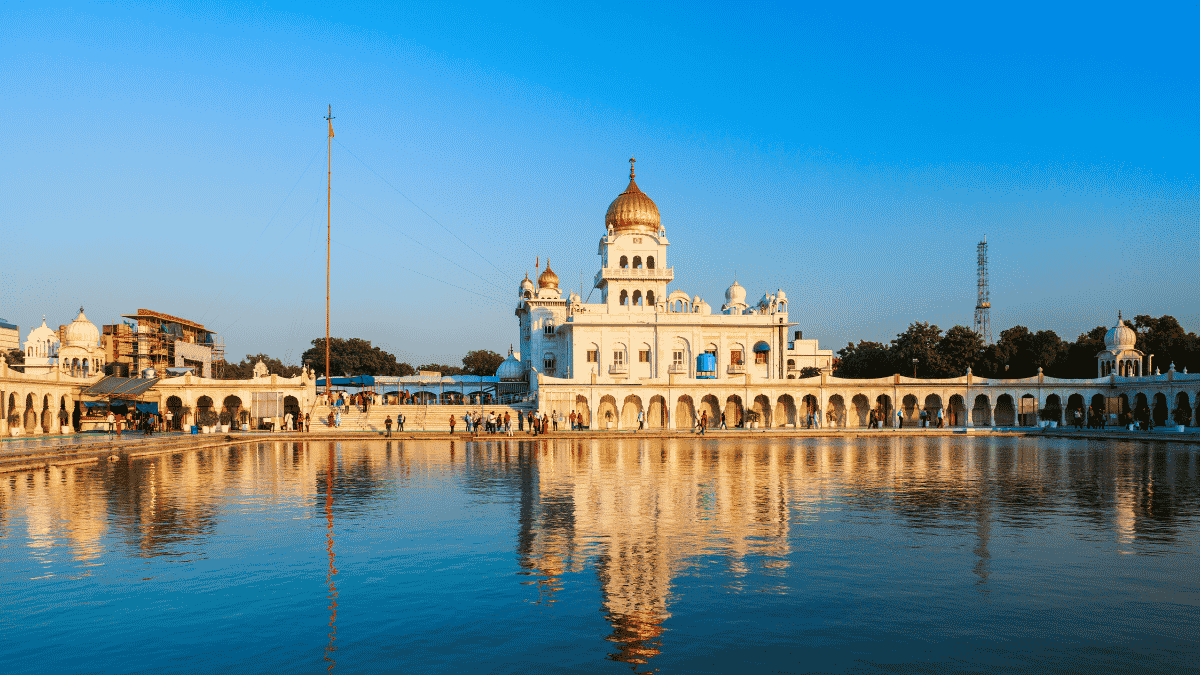
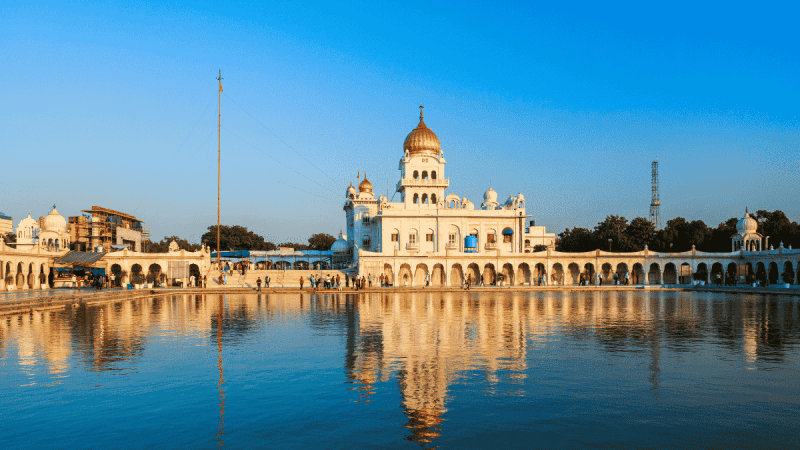
The golden dome of Gurudwara Bangla Sahib is one of those sights that feels instantly familiar, even on a first visit. Yet its most moving story has little to do with its gleaming architecture. The shrine commemorates Guru Har Krishan Sahib Ji, the eighth Sikh Guru, who stayed at the bungalow of Raja Jai Singh in the 17th century. During an epidemic in Delhi, he is remembered for helping people suffering from illness, irrespective of their background. Today, the expansive sarovar reflects the white marble buildings, while the prayer hall remains a place of devotion amid the capital’s relentless pace. The langar, prepared and served by volunteers, carries forward the same spirit of service.
Also Read: Guru Nanak Jayanti 2025: Make Langarwali Dal At Home With This Simple Recipe By Chef Kunal Kapur
2. Gurudwara Sis Ganj Sahib, Chandni Chowk
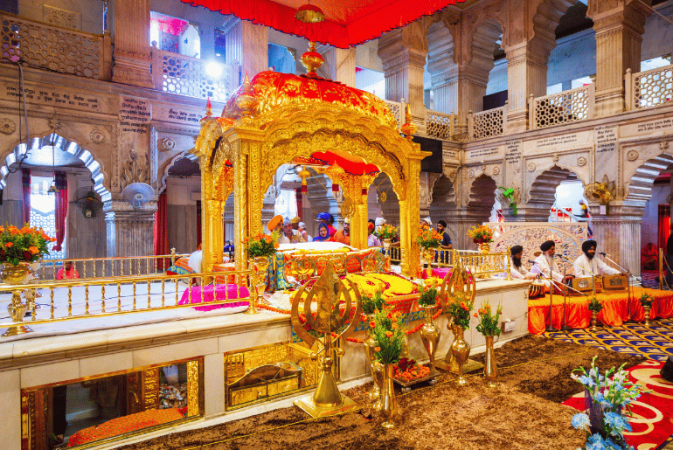
Outside, Chandni Chowk is a whirl of shopkeepers, rickshaws, street food and shoppers negotiating their way through narrow lanes. Inside Gurudwara Sis Ganj Sahib, the atmosphere changes completely. The shrine marks the site associated with the martyrdom of Guru Tegh Bahadur Sahib Ji in 1675, after he stood up for the right to practise one’s faith. Its history gives the gurdwara a significance that extends far beyond its ornate interiors, domed roof and striking white-and-gold details. The surrounding market has changed dramatically over the centuries, but the shrine remains a powerful reminder of the price paid for religious freedom. Visiting it while exploring Old Delhi offers a different perspective on a neighbourhood often experienced only through its food and shopping.
3. Gurudwara Rakab Ganj Sahib, Near Parliament House
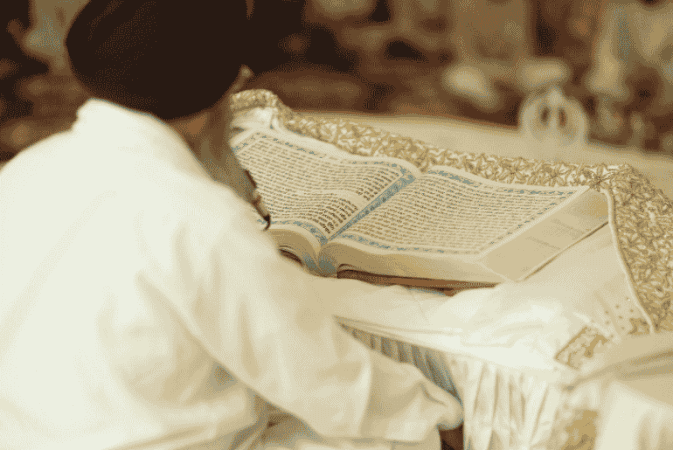
Not far from the corridors of Indian power stands Gurdwara Rakab Ganj Sahib, a shrine built around one of the most poignant episodes in Sikh history. After Guru Tegh Bahadur Sahib Ji was executed in 1675, Bhai Lakhi Shah Vanjara is remembered for bringing his body to his home and setting the house on fire to carry out the last rites without drawing attention. The gurdwara commemorates the place associated with those rites. Its stately white façade, arched entrance, decorative domes and intricate detailing give the complex a dignified presence.
4. Gurudwara Nanak Piao Sahib, North Delhi
The name of Gurdwara Nanak Piao Sahib tells you something about the story behind it. Piao refers to offering drinking water, and the shrine commemorates Guru Nanak Dev Ji’s visit to Delhi in the early 16th century. According to tradition, the Guru offered food and water to travellers and visitors, putting compassion into practice rather than merely preaching it. The historic well associated with the site adds to its significance. Traditional architectural features and the peaceful prayer space give the gurdwara a character quite different from Delhi’s grand monuments. It is a particularly meaningful stop for anyone interested in the everyday acts of kindness that helped shape Sikh teachings.
Also Read: 10 Sacred Gurudwaras Across The World To Visit This Guru Nanak Jayanti
5. Gurudwara Majnu Ka Tilla Sahib, North Delhi
Delhi’s popular Tibetan neighbourhood, Majnu Ka Tilla, takes its name from a story rooted in the time of Guru Nanak Dev Ji. Tradition holds that the Guru met a Muslim ascetic known as Majnu here. The ascetic, who had devoted himself to serving others, was deeply affected by his encounter with the Guru. The nearby Gurdwara Majnu Ka Tilla Sahib commemorates this association. Its devotional interiors and traditional architectural details offer a quieter experience than the lively lanes outside. Many visitors come to the neighbourhood for Tibetan food, cafés and shopping, but spending time at the gurdwara reveals a much older spiritual history beneath its contemporary identity.
6. Gurudwara Bala Sahib, Near Maharani Bagh
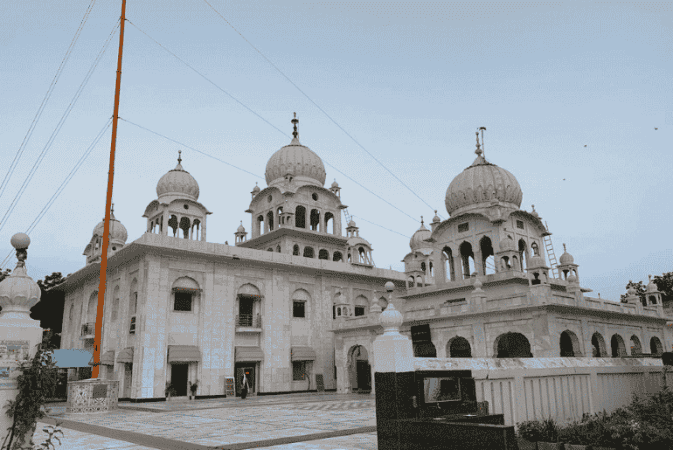
Associated with the final days of Guru Har Krishan Sahib Ji, Gurdwara Bala Sahib holds an important place in Delhi’s Sikh heritage. The site is traditionally associated with the Guru’s last rites following his death in 1664. It is also connected with Mata Sundri Ji and Mata Sahib Kaur Ji, two significant figures in Sikh history. The complex offers a spacious setting for prayer, with architectural details that include domed structures and expansive religious spaces.
7. Gurudwara Damdama Sahib, Near Humayun’s Tomb
Delhi’s Mughal history and Sikh heritage intersect at Gurdwara Damdama Sahib. Located near Humayun’s Tomb, the shrine commemorates the association of Guru Gobind Singh Ji, the tenth Sikh Guru, with this area. Sikh tradition links the site to his meeting with Prince Muazzam in 1707, during the political uncertainty following Emperor Aurangzeb’s death. The prince later became Bahadur Shah I. Traditional domes and prayer spaces give the gurdwara a distinctive presence, while its location makes it an interesting addition to a heritage walk around Nizamuddin. The story behind the shrine also offers a glimpse into a period when spiritual leaders and political figures intersected in shaping the subcontinent’s history.
A few things to remember: visitors of every faith are welcome at gurdwaras. Cover your head, remove your shoes before entering the prayer hall and dress modestly. If you have time, participate in langar respectfully. These are not simply historic buildings to admire; they are living places of worship where the traditions they represent continue every day.
Cover Image Courtesy: andrey/Canva Pro
FAQs
Which are the most famous gurdwaras in Delhi?
Some of Delhi’s well-known gurdwaras include Bangla Sahib, Sis Ganj Sahib, Rakab Ganj Sahib, Nanak Piao Sahib, Majnu Ka Tilla Sahib, Bala Sahib and Damdama Sahib.
What is the historical significance of Gurudwara Bangla Sahib?
Gurudwara Bangla Sahib commemorates Guru Har Krishan Sahib Ji’s stay at the bungalow associated with Raja Jai Singh in 17th-century Delhi. Sikh tradition remembers the Guru for helping people during an epidemic.
Why is Gurudwara Sis Ganj Sahib important?
Gurudwara Sis Ganj Sahib commemorates the martyrdom of Guru Tegh Bahadur Sahib Ji in 1675. It is an important site in Sikh history and is located in Chandni Chowk, Old Delhi.
Are gurdwaras in Delhi open to people of all faiths?
Yes. Visitors of all faiths are welcome at gurdwaras, provided they respect the religious customs and practices of the place.


