



Dubai’s long-anticipated shared housing law is officially in force. Issued by HH Sheikh Mohammed bin Rashid Al Maktoum, Ruler of Dubai, Law No. (4) of 2026 took effect on Wednesday, August 26, 180 days after its publication in the Official Gazette, according to Dubai Municipality.
Dubai’s New Shared Housing Law Is Now In Effect
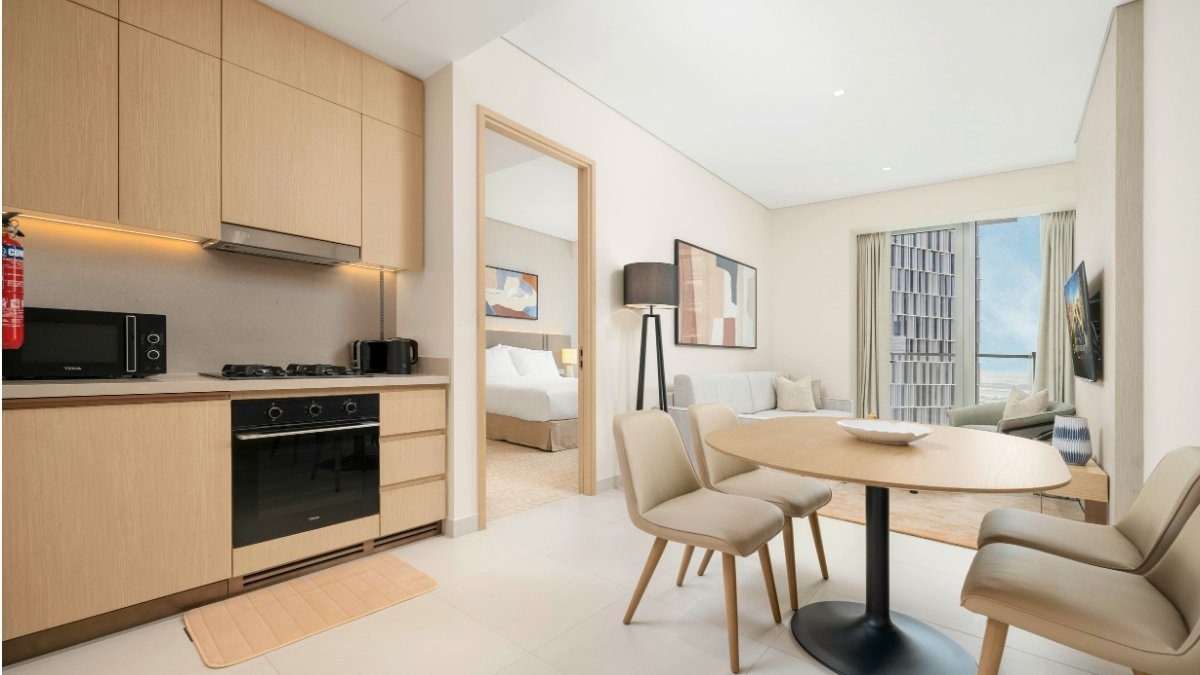
The law applies across the emirate, including private development zones and free zones. It covers six property types that can be designated for shared housing:
- Apartments
- Detached houses
- Residential complexes
- Mixed-use buildings
- Townhouses
- Multi-storey buildings
Collective labour accommodation is not inclusive of this and continues to fall under separate rules.
What Law No. 4 Of 2026 Actually Regulates
Under the new framework, no unit can be used for shared housing without a permit from Dubai Municipality. It now sits at the centre of the system, setting occupancy limits, minimum space per resident, required shared facilities, and which areas of the city are even allowed to host shared housing in the first place.
The Dubai Land Department (DLD) will run a linked electronic registry and is also expected to build a dedicated rental index for shared housing units, separate from Dubai’s existing residential rental index.
The Big Change: Tenants Are Out Of The Leasing Chain
Here’s the part that will actually change daily life for a lot of renters:
Tenants can no longer sublet any part of a shared housing unit, full stop.
Only property owners, or companies formally authorised to manage or lease units on an owner’s behalf, can rent out shared accommodation going forward.
The quiet, informal arrangement of a tenant filling a spare room through a WhatsApp group or word of mouth, long the norm in more affordable pockets of the city, is no longer legally an option.
Permitted resident categories:
- Families
- Women-only or men-only groups
- Female or male students
- Government employees
- Workers from private companies
Existing space rules stay in place for now, with a minimum of five square metres of living space required per resident.
Also Read: What Are & Approved Co-Sharing Rental Options & Why Is It Getting Popular In Dubai?
Fines, The Grace Period, And What Happens Next
Penalties range from AED 500 to AED 500,000, with repeat violations within a year capable of doubling, up to a ceiling of AED 1 million.
Owners and operators currently running shared housing have been given a full year from August 26, 2026, until August 26, 2027, to bring their units and paperwork into line.
Dubai Municipality’s Director-General can also grant a one-time extension if genuinely needed.
Any disputes arising under the law will be handled by the Dubai Rental Disputes Center.
Cover Image Courtesy: CanvaPro/AJ Ahamad from Pexels
FAQs
Do existing landlords need to comply immediately?
No. Existing owners and operators have a one-year grace period from August 26, 2026 (until August 26, 2027) to bring their units into compliance, with a possible one-time extension.
When did Dubai's shared housing law take effect?
Law No. (4) of 2026 came into force on Wednesday, August 26, 2026, 180 days after its publication in Dubai's Official Gazette.


