



Climate change is no longer a distant risk for India; it is shaping our daily lives right now. Between January and September 2025, India saw extreme weather on 270 of 273 days, with floods, storms, heatwaves and landslides reported across all states and Union Territories. More than 4,000 people lost their lives, and thousands of homes, crops and livestock were damaged. These are not abstract numbers; they are reminders that climate change is already here.
World Environment Day: Small Choices, Big Impact
As we observe World Environment Day, the conversation must shift from awareness to action. The environment is not separate from daily life. It is the invisible infrastructure behind every glass of water, every commute, every meal and every neighbourhood. Governments and businesses carry a major share of responsibility, but resilience will also depend on millions of choices made in homes, offices and communities across India.
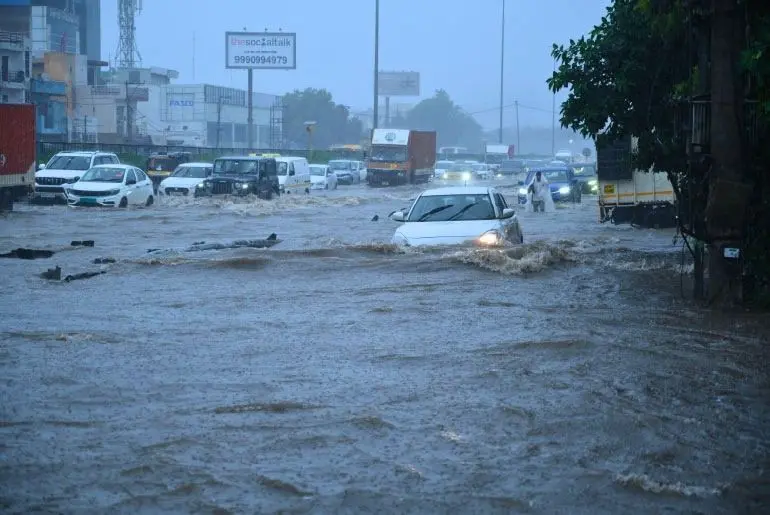
In cities, the crisis shows up in familiar ways. A cloudburst floods the road to work. A heatwave turns a local park into a furnace. A delayed tanker changes how a family cooks, cleans and even showers. Urban India already uses about 135 litres of water per person per day at home, while national per capita water availability continues to decline. As cities grow, the stress on water, energy, mobility and waste systems will only intensify unless behaviour changes too.
Also Read: Greece’s New Tourism Policy Aims To Balance Travel Growth With Environmental Protection
Everyday decisions matter because they scale. Choosing public transport, walking or cycling more often reduces congestion and air pollution. Switching off lights, using efficient fans and ACs, and setting slightly higher cooling temperatures lowers pressure on strained power grids. One person’s choices may seem too small to matter, but multiplied across crores of citizens, they become a quiet, powerful climate strategy.
Water and plastic are two areas where personal action matters most. We usually think of taps and showers, yet much of our water footprint is hidden in the food we eat and the products we buy. Producing a single cotton T-shirt can require about 2,700 litres of water, roughly what one person drinks in nearly two and a half years. When we buy more than we need and discard quickly, we silently export water stress from cities to cotton-growing landscapes.
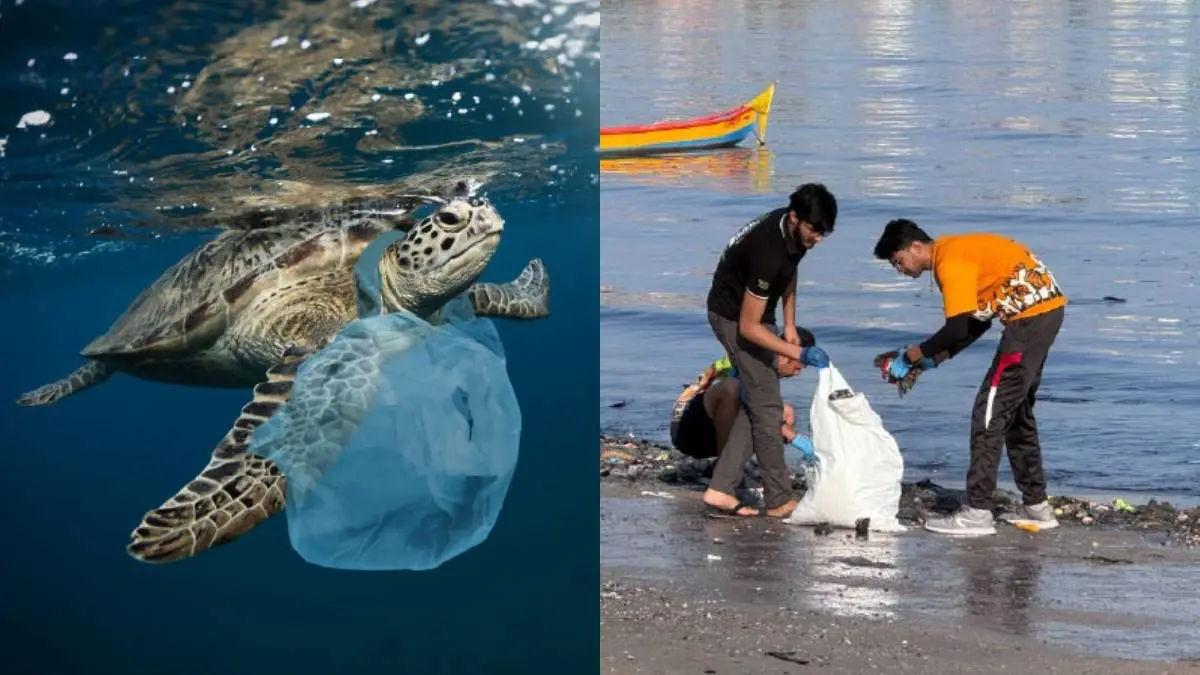
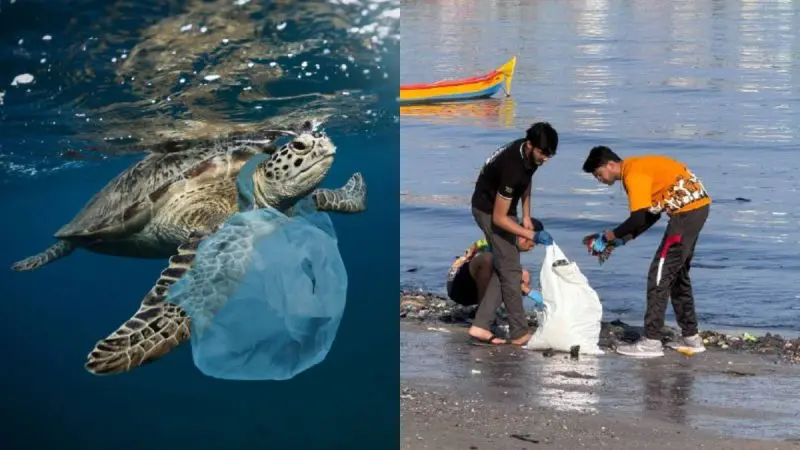
Plastic tells a similar story. India generates around 3.4–3.9 million tonnes of plastic waste every year, and only about 30–60 per cent is recycled. The rest is landfilled, burned or leaks into drains, lakes and rivers, adding to microplastics in water and food. Households are major contributors through bottles, sachets and food packaging, which often end up clogging stormwater drains and worsening urban flooding.
Also Read: 74% Of Indian Travellers Support Sustainable Tourism; 49% Prefer Less-Crowded Destinations
Building A Culture of Sustainability For Climate Resilience
So what can one person do without feeling overwhelmed? At home, shorter showers, fixing leaks and reusing grey water for plants are important. But bigger gains lie on our plates and in our shopping baskets.
Planning meals, storing food properly, serving only what can be eaten and composting scraps reduce both methane from food waste and the water embedded in every grain or vegetable. Choosing more plant-based meals, millets and pulses, and slightly reducing high-footprint animal products can quietly shrink both water and carbon footprints.
The same logic applies to what we wear and buy. India’s traditions of handloom, repair and reuse are deeply sustainable at heart. Choosing fewer, better-made garments can save thousands of litres of water and significant amounts of energy. The same is true for repairing and sharing clothes, as well as opting for natural or certified sustainable fibres. These benefits accrue long before an item reaches our cupboard. When it comes to plastic, everyday habits can make a significant difference.
Carrying a reusable bottle and cloth bag, saying no to unnecessary cutlery and sachets, and segregating wet and dry waste can all help reduce plastic waste. When Resident Welfare Associations or office complexes adopt these practices together, they can sharply cut plastic leakage into nearby drains and lakes while supporting safer livelihoods in the informal recycling sector.
Also Read: India Ranks 3rd In Asia’s Sustainable Travel Rankings; THIS Country Tops The List!
All of this links back to the blue and green spaces that keep our cities alive. Urban lakes, wetlands and floodplains act as natural sponges, soaking up intense rainfall, slowing floodwaters and recharging groundwater. Research in large river basins such as the Brahmaputra shows that rejuvenated wetlands can reduce flood peaks by close to 30% in tributaries and cut flood-threat days in downstream areas. National guidelines also recognise that well-managed urban lakes contribute to water supply, runoff control and groundwater recharge.
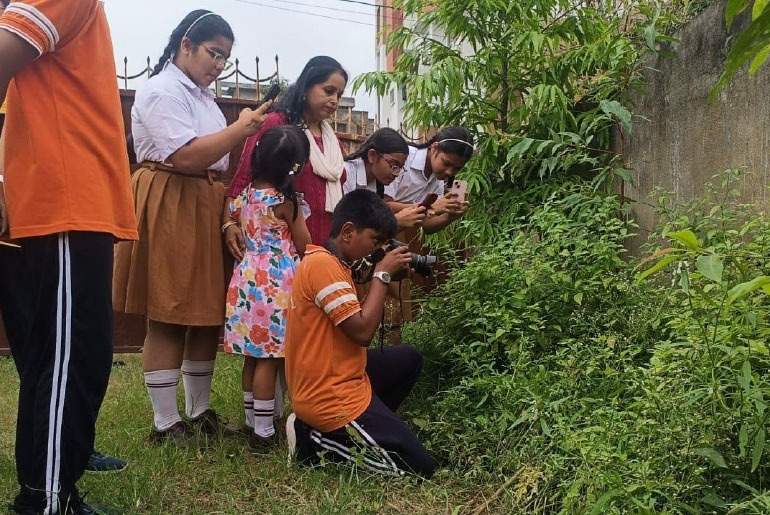
This is where collective action becomes real. The lake you walk past on a Sunday morning is not just scenery; it is part of your city’s climate defence system. Citizen groups can play an important role in protecting local water bodies by adopting them and organising clean-up drives. They can also advocate for sewage and solid waste to be diverted away from these ecosystems.
Additionally, communities can work with municipal bodies to develop rain gardens, install permeable pavements, and restore wetlands. When communities reclaim these spaces as shared commons, they help rebuild a relationship of respect with water and nature. In doing so, they also strengthen and safeguard their own water security.
There Is Hope!
India already has a head start in this transition. Our per capita emissions are still less than half the global average, yet they are rising as we develop. Mission LiFE (Lifestyle for Environment) was launched to encourage citizens and communities to move away from mindless use-and-throw habits and embrace mindful, circular living.
It promotes everyday LiFE actions while building a mass movement of Pro-Planet People. These lifestyle changes, multiplied across 1.4 billion people, can strongly support India’s climate goals, including its net-zero ambition for 2070.
World Environment Day is therefore an invitation, not just an event. It asks us to look at our own water footprint, our plastic trail, our relationship with the neighbourhood lake, and to ask what one habit we can change this week and who we can invite to change it with us.
Climate resilience will not come from policy alone. It will grow where citizens, communities, markets, and nature are pulling in the same direction, one small, consistent choice at a time.
Cover Image Courtesy: Shutterstock/Jag_cz_ & WWF-India
For more such snackable content, interesting discoveries and the latest updates on food, travel and experiences in your city, download the Curly Tales App. Download HERE.FAQs
Why is climate resilience important for India?
India is increasingly experiencing extreme weather events such as floods, heatwaves, storms, and landslides. Building climate resilience can help communities better cope with these growing environmental challenges.
How does clothing consumption affect the environment?
Producing textiles requires large amounts of water and energy. Buying fewer, better-quality garments, repairing clothes, and choosing sustainable fabrics can reduce environmental impact.
What is Mission LiFE?
Mission LiFE (Lifestyle for Environment) is an initiative that encourages citizens to adopt environmentally responsible habits and promote sustainable living through everyday actions.
